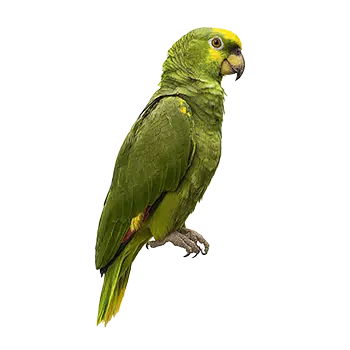

The Yellow-Naped Amazon reaches full physical maturity between three and five years of age, entering a period of peak vitality that can span several decades when supported by attentive husbandry. At maturity, this species typically measures 12 to 15 inches from head to tail and weighs between 480 and 680 grams, with individual variation influenced by genetics, diet, and overall health history. The adult plumage is fully developed, featuring the brilliant green body feathering, the vivid yellow nape patch that gives the species its common name, and the red and blue accents visible in the wing speculum during flight.
Maintaining the bird in prime physical condition requires an understanding of the relationship between body weight, muscle tone, and fat deposition. Yellow-Naped Amazons are among the parrot species most susceptible to obesity, and the tendency toward weight gain increases significantly once the rapid growth of the juvenile period ends and caloric needs stabilize. A bird in ideal condition should have a keel bone that is palpable but not prominent, with a smooth layer of muscle on either side. If the keel is buried beneath a rounded mound of tissue, the bird is likely overweight and at elevated risk for fatty liver disease, atherosclerosis, and other obesity-related conditions.
Regular weighing, performed at the same time each day on a gram-accurate scale, provides the most objective measure of condition over time. Establish a target weight range in consultation with an avian veterinarian, and track fluctuations on a weekly basis. A gradual upward trend suggests caloric intake is exceeding expenditure and warrants dietary adjustment. A sudden drop may indicate illness and should prompt a veterinary visit. Weight management in adult Amazons is not about restriction but about balance, ensuring that the bird's caloric intake matches its actual energy expenditure rather than its appetite, which in captivity almost always exceeds its needs.
Feather condition serves as a visible barometer of the adult bird's internal health. A healthy Yellow-Naped Amazon in its prime displays tight, smooth plumage with a subtle sheen, free of stress bars, frayed edges, or bald patches. The annual molt, during which old feathers are gradually replaced by new growth, typically occurs in late summer or early autumn and places temporary metabolic demands on the bird. During the molt, slight irritability and increased preening are normal, but excessive feather loss, failure of new feathers to emerge, or the appearance of pin feathers with abnormal coloration or texture warrants veterinary evaluation.