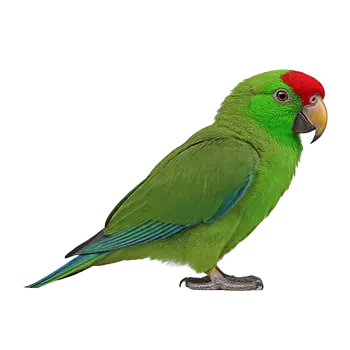
Red-Lored Amazons are generally hardy, robust parrots with excellent longevity potential when provided with proper care throughout their 40-80 year lifespan. However, like all Amazon parrot species, they are susceptible to several health conditions that require vigilant monitoring and proactive preventive care to maintain optimal health and quality of life across their remarkably long lives.
Obesity and fatty liver disease represent the most common and serious health concerns affecting captive Red-Lored Amazons, particularly those fed inappropriate seed-heavy diets or excessive nuts and treats without adequate exercise. Amazon parrots have strong genetic predispositions toward weight gain, and obesity creates cascading health problems including hepatic lipidosis (fatty liver disease), atherosclerosis, respiratory difficulties, decreased immune function, and significantly reduced lifespan. Psittacosis, caused by the bacterium Chlamydia psittaci, can affect Red-Lored Amazons and presents with respiratory symptoms including nasal discharge, difficulty breathing, lethargy, lime-green urates in droppings, and general malaise requiring immediate veterinary intervention with appropriate antibiotic therapy. Aspergillosis, a potentially fatal fungal respiratory infection caused by inhaling Aspergillus spores from moldy food, damp bedding, or environments with poor air quality, is particularly concerning in Amazon parrots and can be difficult to diagnose in early stages, often requiring prolonged antifungal treatment. Feather plucking and self-mutilation occur in stressed, bored, lonely, or medically compromised Red-Lored Amazons, representing complex problems with medical, nutritional, environmental, and psychological components requiring comprehensive veterinary evaluation and multifaceted intervention strategies. Psittacine Beak and Feather Disease (PBFD), caused by circovirus, affects Amazon parrots less commonly than some other species but causes progressive feather abnormalities, beak deformities, and immune suppression without effective cure or treatment. Vitamin A deficiency develops in birds fed seed-based diets lacking adequate fresh vegetables, leading to respiratory infections, poor immune function, skin abnormalities, and increased susceptibility to secondary infections. Hypovitaminosis D and calcium deficiency can occur in birds without access to natural sunlight or full-spectrum UV lighting, causing metabolic bone disease, weakness, tremors, and seizures particularly in breeding females. Amazon foot necrosis syndrome, specific to Amazon parrots, involves constriction and necrosis of the feet, possibly related to nutritional factors or autoimmune processes.
Proventive care forms the essential foundation for maintaining health in Red-Lored Amazons throughout their impressively long lifespans. Regular veterinary checkups with experienced avian veterinarians should occur at minimum annually for comprehensive wellness examinations including physical examination, weight monitoring, and potentially blood work screening for organ function, cholesterol levels, vitamin status, and early disease detection before clinical symptoms appear. Proper diet and nutrition cannot be overemphasized, with varied diets based primarily on high-quality pellets, abundant fresh vegetables, limited fruits, and minimal seeds and nuts preventing the majority of obesity-related and nutritional health problems. Environmental enrichment through diverse toys, daily foraging opportunities, extensive flight exercise, and hours of social interaction prevents stress-related conditions including feather plucking, excessive vocalization, and aggressive behaviors. Cage cleanliness and regular sanitization of all food bowls, water dishes, perches, and toys prevents bacterial and fungal growth that could compromise respiratory and digestive system health. UV lighting through full-spectrum avian lighting fixtures or supervised outdoor exposure in appropriate weather enables natural vitamin D3 synthesis essential for calcium metabolism, bone health, immune function, and overall wellbeing. Annual wellness exams even for apparently healthy birds allow veterinarians to detect subtle changes in weight, body condition, feather quality, and behavior that may indicate developing problems before they become serious, significantly improving treatment success rates.
With consistent, species-appropriate care including proper diet, adequate exercise, mental stimulation, UV lighting exposure, and regular veterinary oversight, Red-Lored Amazons regularly achieve lifespans of 40-60 years in captivity, with many individuals living 70-80 years when given exceptional care. Some Red-Lored Amazons have been documented living past 80 years, making them among the longest-lived companion animals. The key to longevity is consistency in all care aspects, early detection of health issues through careful observation of behavior, appetite, droppings, and activity levels, and immediate veterinary intervention when concerns arise.
Red-Lored Amazons are generally hardy, robust parrots with excellent longevity potential when provided with proper care throughout their 40-80 year lifespan. However, like all Amazon parrot species, they are susceptible to several health conditions that require vigilant monitoring and proactive preventive care to maintain optimal health and quality of life across their remarkably long lives.
Obesity and fatty liver disease represent the most common and serious health concerns affecting captive Red-Lored Amazons, particularly those fed inappropriate seed-heavy diets or excessive nuts and treats without adequate exercise. Amazon parrots have strong genetic predispositions toward weight gain, and obesity creates cascading health problems including hepatic lipidosis (fatty liver disease), atherosclerosis, respiratory difficulties, decreased immune function, and significantly reduced lifespan. Psittacosis, caused by the bacterium Chlamydia psittaci, can affect Red-Lored Amazons and presents with respiratory symptoms including nasal discharge, difficulty breathing, lethargy, lime-green urates in droppings, and general malaise requiring immediate veterinary intervention with appropriate antibiotic therapy. Aspergillosis, a potentially fatal fungal respiratory infection caused by inhaling Aspergillus spores from moldy food, damp bedding, or environments with poor air quality, is particularly concerning in Amazon parrots and can be difficult to diagnose in early stages, often requiring prolonged antifungal treatment. Feather plucking and self-mutilation occur in stressed, bored, lonely, or medically compromised Red-Lored Amazons, representing complex problems with medical, nutritional, environmental, and psychological components requiring comprehensive veterinary evaluation and multifaceted intervention strategies. Psittacine Beak and Feather Disease (PBFD), caused by circovirus, affects Amazon parrots less commonly than some other species but causes progressive feather abnormalities, beak deformities, and immune suppression without effective cure or treatment. Vitamin A deficiency develops in birds fed seed-based diets lacking adequate fresh vegetables, leading to respiratory infections, poor immune function, skin abnormalities, and increased susceptibility to secondary infections. Hypovitaminosis D and calcium deficiency can occur in birds without access to natural sunlight or full-spectrum UV lighting, causing metabolic bone disease, weakness, tremors, and seizures particularly in breeding females. Amazon foot necrosis syndrome, specific to Amazon parrots, involves constriction and necrosis of the feet, possibly related to nutritional factors or autoimmune processes.
Proventive care forms the essential foundation for maintaining health in Red-Lored Amazons throughout their impressively long lifespans. Regular veterinary checkups with experienced avian veterinarians should occur at minimum annually for comprehensive wellness examinations including physical examination, weight monitoring, and potentially blood work screening for organ function, cholesterol levels, vitamin status, and early disease detection before clinical symptoms appear. Proper diet and nutrition cannot be overemphasized, with varied diets based primarily on high-quality pellets, abundant fresh vegetables, limited fruits, and minimal seeds and nuts preventing the majority of obesity-related and nutritional health problems. Environmental enrichment through diverse toys, daily foraging opportunities, extensive flight exercise, and hours of social interaction prevents stress-related conditions including feather plucking, excessive vocalization, and aggressive behaviors. Cage cleanliness and regular sanitization of all food bowls, water dishes, perches, and toys prevents bacterial and fungal growth that could compromise respiratory and digestive system health. UV lighting through full-spectrum avian lighting fixtures or supervised outdoor exposure in appropriate weather enables natural vitamin D3 synthesis essential for calcium metabolism, bone health, immune function, and overall wellbeing. Annual wellness exams even for apparently healthy birds allow veterinarians to detect subtle changes in weight, body condition, feather quality, and behavior that may indicate developing problems before they become serious, significantly improving treatment success rates.
With consistent, species-appropriate care including proper diet, adequate exercise, mental stimulation, UV lighting exposure, and regular veterinary oversight, Red-Lored Amazons regularly achieve lifespans of 40-60 years in captivity, with many individuals living 70-80 years when given exceptional care. Some Red-Lored Amazons have been documented living past 80 years, making them among the longest-lived companion animals. The key to longevity is consistency in all care aspects, early detection of health issues through careful observation of behavior, appetite, droppings, and activity levels, and immediate veterinary intervention when concerns arise.
Common Health Issues
- Obesity and fatty liver disease represent the most common and serious health concerns affecting captive Red-Lored Amazons - Particularly those fed inappropriate seed-heavy diets or excessive nuts and treats without adequate exercise.
- Amazon parrots have strong genetic predispositions toward weight gain, and obesity creates cascading health problems including hepatic lipidosis - Fatty liver disease, , atherosclerosis, respiratory difficulties, decreased immune function, and significantly reduced lifespan.
- Psittacosis, caused by the bacterium Chlamydia psittaci - Can affect Red-Lored Amazons and presents with respiratory symptoms including nasal discharge, difficulty breathing, lethargy, lime-green urates in droppings, and general malaise requiring immediate veterinary intervention with appropriate antibiotic therapy.
- Aspergillosis, a potentially fatal fungal respiratory infection caused by inhaling Aspergillus spores from moldy food - Damp bedding, or environments with poor air quality, is particularly concerning in Amazon parrots and can be difficult to diagnose in early stages, often requiring prolonged antifungal treatment.
- Feather plucking and self-mutilation occur in stressed - Bored, lonely, or medically compromised Red-Lored Amazons, representing complex problems with medical, nutritional, environmental, and psychological components requiring comprehensive veterinary evaluation and multifaceted intervention strategies.
- Psittacine Beak and Feather Disease - PBFD, , caused by circovirus, affects Amazon parrots less commonly than some other species but causes progressive feather abnormalities, beak deformities, and immune suppression without effective cure or treatment.
- Vitamin A deficiency develops in birds fed seed-based diets lacking adequate fresh vegetables - Leading to respiratory infections, poor immune function, skin abnormalities, and increased susceptibility to secondary infections.
- Cage cleanliness and regular sanitization of all food bowls - Water dishes, perches, and toys prevents bacterial and fungal growth that could compromise respiratory and digestive system health.
Preventive Care & Health Monitoring
- Feather plucking and self-mutilation occur in stressed - Bored, lonely, or medically compromised Red-Lored Amazons, representing complex problems with medical, nutritional, environmental, and psychological components requiring comprehensive veterinary evaluation and multifaceted intervention strategies.
- Vitamin A deficiency develops in birds fed seed-based diets lacking adequate fresh vegetables - Leading to respiratory infections, poor immune function, skin abnormalities, and increased susceptibility to secondary infections.
- Hypovitaminosis D and calcium deficiency can occur in birds without access to natural sunlight or full-spectrum UV lighting - Causing metabolic bone disease, weakness, tremors, and seizures particularly in breeding females.
- Amazon foot necrosis syndrome - Specific to Amazon parrots, involves constriction and necrosis of the feet, possibly related to nutritional factors or autoimmune processes.
- Regular veterinary checkups with experienced avian veterinarians should occur at minimum annually for comprehensive wellness examinations including physical examination - Weight monitoring, and potentially blood work screening for organ function, cholesterol levels, vitamin status, and early disease detection before clinical symptoms appear.
- Proper diet and nutrition cannot be overemphasized - With varied diets based primarily on high-quality pellets, abundant fresh vegetables, limited fruits, and minimal seeds and nuts preventing the majority of obesity-related and nutritional health problems.