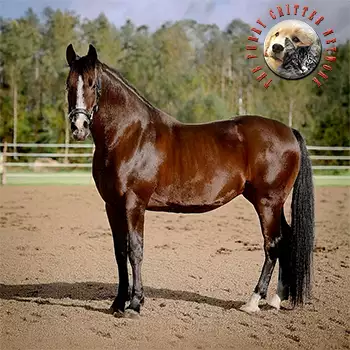

Film & Television

Dutch Warmbloods frequently appear in film and television productions that require athletic, well-trained horses capable of performing reliably on set. Their calm temperaments and striking appearance make them popular choices for equestrian scenes in dramas, period pieces, and sports-themed productions. While they are rarely identified by breed name on screen, their elegant movement and presence contribute to the visual impact of countless productions.

Televised equestrian sport has been the most significant vehicle for the Dutch Warmblood's screen presence. Olympic dressage and show jumping coverage has repeatedly showcased KWPN-registered horses performing at the highest levels, with broadcasters often highlighting the breed's dominance in their commentary. The 2012 London Olympics in particular brought Dutch Warmbloods into millions of living rooms worldwide as viewers watched record-breaking dressage performances.

Documentary filmmakers have also turned their attention to the Dutch Warmblood breeding industry. Productions exploring the KWPN stallion selection process, the business of sport horse breeding, and the journeys of individual horses from foal to Grand Prix competitor have appeared on equestrian streaming platforms and public broadcasting networks. These documentaries offer viewers a behind-the-scenes look at the science, tradition, and passion that drive the breed forward.

The Dutch public broadcasting system has given particular attention to equestrian sport and breeding, reflecting the cultural importance of horses in the Netherlands. Annual coverage of the KWPN stallion licensing, the Dutch national championships, and international competitions featuring Dutch riders and horses reaches a broad domestic audience and reinforces the breed's status as a national treasure.

Literature & Art

The Dutch Warmblood features prominently in equestrian literature, particularly in training manuals, breeding guides, and sport horse reference books. Authors writing about modern dressage and show jumping technique frequently use KWPN horses as examples, and many of the most widely read training books of the past three decades feature Dutch Warmbloods on their covers and in their instructional photographs.

Breeding-focused publications have devoted extensive coverage to the KWPN system. Books analyzing warmblood breeding programs frequently hold up the Dutch model as a case study in how systematic selection, rigorous testing, and openness to outside genetics can transform a regional horse population into a globally dominant sport breed in just a few decades. These works are read by breeders, students, and equine science professionals worldwide.

In the visual arts, Dutch Warmbloods appear regularly in contemporary equine painting and photography. Equestrian artists are drawn to the breed's expressive movement, balanced conformation, and photogenic quality. Fine art prints and photographs of famous Dutch Warmbloods are popular among collectors, and commissioned portraits of individual horses represent a thriving niche within the equine art market.

The Netherlands itself has a rich tradition of equine art dating back to the Golden Age painters, and modern Dutch artists continue this legacy by depicting contemporary sport horses. Exhibition spaces at major Dutch horse shows often feature curated art collections, creating a direct connection between the breeding community and the artistic celebration of the horses they produce.

Internet & Social Media

Dutch Warmbloods have a massive presence on social media platforms, driven by the breed's dominance in international sport and the visually compelling nature of dressage and show jumping. Instagram accounts dedicated to individual KWPN horses routinely attract tens of thousands of followers, and viral clips of spectacular jumping rounds or expressive dressage tests regularly reach audiences far beyond the core equestrian community.

The KWPN registry itself maintains an active social media presence, sharing content from stallion shows, mare inspections, auction results, and competition highlights. Their digital strategy has been instrumental in building international awareness of the breed and connecting breeders across continents. Live-streamed events, including the annual stallion licensing and select sales, allow global audiences to follow the breeding program in real time.

YouTube and other video platforms host extensive libraries of Dutch Warmblood content, from professional competition footage to amateur training videos and foal development diaries. Educational channels focused on equine science and breeding frequently feature the KWPN program as a model of modern sport horse development. This wealth of freely available video content has made the breed more accessible and understandable to prospective buyers and enthusiasts worldwide.

Online auction platforms have transformed the Dutch Warmblood market, allowing breeders to reach international buyers without the expense and logistics of traditional in-person sales. The success of online KWPN auctions, particularly during and after the global pandemic period, demonstrated the breed's strong digital market presence and the equestrian community's willingness to invest significant sums based on video presentations and veterinary reports shared electronically.

Advertising & Branding

The Dutch Warmblood's association with excellence, precision, and beauty has made it a natural fit for luxury and lifestyle branding. Equestrian fashion brands, premium feed companies, and high-end equine product manufacturers frequently feature KWPN horses in their advertising campaigns. The breed's elegant silhouette and dynamic movement photograph exceptionally well, lending sophistication and aspiration to the brands that use them.

Within the equestrian industry, Dutch Warmblood bloodlines function as brands in their own right. Stallion names like Totilas, Valegro, and Hickstead carry enormous recognition value, and their offspring are marketed with direct reference to these famous sires. The KWPN registry has cultivated this brand awareness carefully, maintaining high standards that protect the value and reputation associated with the KWPN designation.

The Netherlands' tourism and agricultural promotion agencies have occasionally incorporated the country's equestrian heritage, including its warmblood breeding tradition, into broader national branding efforts. The image of a beautiful sport horse in a green Dutch pasture connects to themes of quality, tradition, and the careful stewardship of natural resources that the Netherlands promotes internationally.

Sponsorship relationships between Dutch Warmblood breeders and riders and corporate partners have become increasingly sophisticated. Top KWPN competition horses now carry sponsor branding, appear in corporate hospitality settings, and feature in content marketing campaigns that reach well beyond traditional equestrian audiences. This commercial ecosystem supports the breeding industry financially while expanding the breed's visibility in mainstream culture.

The Popularity Effect

The Dutch Warmblood's sustained success in international competition has created powerful demand cycles that influence breeding decisions worldwide. When a KWPN horse wins a major championship, interest in that horse's bloodlines surges immediately, driving up prices for related animals and semen from the sire. This popularity effect can elevate entire stallion lines virtually overnight and reshape breeding trends across the global warmblood industry.

The breed's media visibility has contributed to a broader popularization of dressage and show jumping as spectator sports. Performances by charismatic Dutch Warmbloods have introduced millions of viewers to equestrian sport who might never have encountered it otherwise. This expanded audience has positive ripple effects throughout the industry, from increased sponsorship revenue to greater public support for equestrian facilities and programs.

However, the popularity effect also carries risks. Intense demand for fashionable bloodlines can lead to overuse of certain stallions, potentially narrowing the breed's genetic diversity. The KWPN registry has responded to this concern by monitoring breeding statistics and encouraging the use of proven but less commercially popular stallions. Balancing market demand with long-term genetic health remains an ongoing challenge for the breed's stewards.

The global reach of Dutch Warmblood popularity has also raised the profile of the Netherlands as an equestrian destination. International buyers travel to the country to attend auctions, visit breeding farms, and experience the KWPN infrastructure firsthand. This equestrian tourism contributes to local economies and strengthens cultural connections between the Dutch breeding community and horse enthusiasts around the world.

Always consult a qualified professional before making any health-related decisions. This content is provided for informational reference only and should not replace professional guidance specific to your animal.