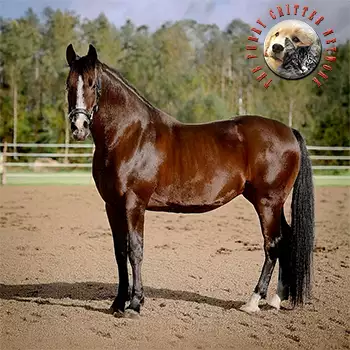

Dutch Warmbloods are large, athletic horses that typically stand between 16 and 17 hands, so trailer selection is a critical consideration for safe road travel. A standard two-horse trailer may feel cramped for a horse at the upper end of this range, and many owners opt for warmblood-height trailers or spacious slant-load configurations that provide additional headroom and body length. The trailer should be well-ventilated, structurally sound, and equipped with safe, non-slip flooring.
Training your Dutch Warmblood to load and travel calmly is an investment that pays dividends throughout the horse's career. Most Dutch Warmbloods respond well to patient, systematic trailer-loading training that builds confidence gradually. Starting with short trips and positive associations helps establish good habits before longer journeys are required. Horses that travel frequently for competition typically become experienced and relaxed travelers over time.
For long-distance road trips, plan stops every four to six hours to allow the horse to rest, drink water, and stretch. Dehydration and fatigue are the most common road travel risks for horses, and Dutch Warmbloods working in athletic careers need to arrive at their destinations in peak condition. Offering electrolyte-supplemented water during travel and providing soaked hay rather than dry hay can help maintain hydration levels throughout the journey.
The tow vehicle must be appropriately rated for the combined weight of the trailer, horse, and equipment. A loaded horse trailer with a single Dutch Warmblood, tack, and supplies can easily weigh 6,000 to 8,000 pounds or more, requiring a capable truck with proper towing capacity, trailer brakes, and well-maintained suspension. Owners should also carry a roadside emergency kit that includes basic equine first aid supplies, a spare tire for the trailer, and contact information for equine veterinarians along the planned route.