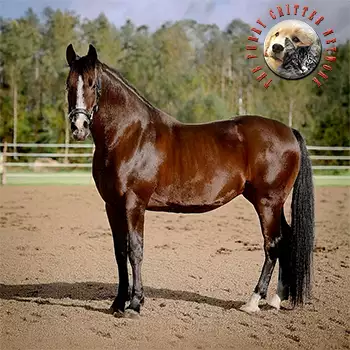

The Dutch Warmblood is a relatively modern breed, formally established in 1970 when two older Dutch registries merged to form the Koninklijk Warmbloed Paardenstamboek Nederland, commonly known as the KWPN. Before this consolidation, Dutch breeders had been refining regional horse populations for centuries, drawing on heavier agricultural types that worked the fertile lowlands of the Netherlands. The goal of the newly unified registry was clear from the start: to produce a world-class sport horse capable of competing at the highest international levels.
The foundation stock for the Dutch Warmblood drew heavily from the Gelderland and Groningen breeds, two distinctly Dutch types that contributed substance, correctness, and a cooperative temperament. Gelderlanders were elegant carriage horses known for their flashy movement and willing attitude, while Groningens brought power, bone density, and a strong topline. By blending these native lines, breeders established a base that was uniquely Dutch in character and well suited for further refinement.
Throughout the 1960s and 1970s, KWPN breeders strategically introduced Thoroughbred and Continental warmblood blood, particularly from prominent Hanoverian, Holstein, and Selle Français stallions. This infusion of outside genetics added athleticism, scope over fences, and the lighter frame needed for modern sport. The Dutch approach was methodical and data-driven, with rigorous performance testing for stallions and mares that set it apart from many older European registries.
By the 1980s, the results of this systematic program were becoming undeniable. Dutch Warmbloods began dominating international sport, and the KWPN registry grew rapidly in both membership and global reputation. The breed's rapid ascent from regional workhorse roots to international sport horse stardom remains one of the most remarkable success stories in modern equine breeding.