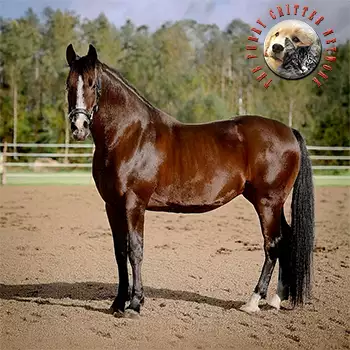

Keeping a Dutch Warmblood requires property that is zoned for equine use, and zoning regulations vary significantly between municipalities, counties, and states. In many suburban and semi-rural areas, local ordinances dictate the minimum acreage required per horse, the placement and construction standards for barns and shelters, and the management of manure and runoff. Prospective owners should review local zoning codes thoroughly before purchasing property or committing to horse ownership.
Some jurisdictions classify horses as livestock, while others categorize them as companion animals or recreational animals. This classification can affect which zoning districts allow horse keeping, what permits are required for equine facilities, and how property is taxed. In areas experiencing residential development pressure, existing equine properties may face challenges from changing land use policies and neighbor complaints about noise, odor, or traffic.
Homeowners' associations and deed restrictions present additional layers of regulation that may not appear in public zoning codes. Even in areas where municipal zoning permits horses, private covenants attached to specific properties or developments may prohibit livestock entirely. Buyers should conduct thorough title research and review all applicable restrictive covenants before purchasing property with the intention of keeping horses.
Agricultural preservation programs in many states offer tax benefits and development protections for equine properties, but participation typically requires meeting specific criteria related to acreage, income, and land management practices. These programs can provide significant financial advantages to Dutch Warmblood owners who operate breeding or training facilities, but the requirements and benefits vary considerably by jurisdiction.