
Film & Television

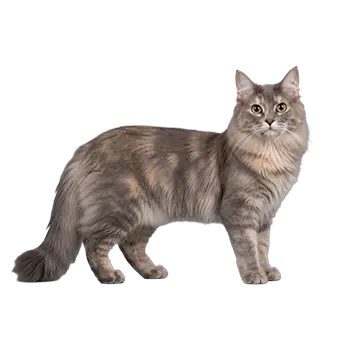
The Tiffanie has not achieved the widespread screen presence enjoyed by breeds like the Siamese, Persian, or British Shorthair. Its rarity means that casting directors and animal trainers are far less likely to encounter the breed, and the general public would have difficulty identifying one on screen even if it did appear. In film and television, semi-longhaired cats of similar appearance are sometimes cast in generic roles without specific breed identification, and it is possible that Tiffanie-type cats have appeared in productions without being credited as such.

When semi-longhaired cats are featured in British television programs, particularly in lifestyle shows, veterinary series, or cat-focused documentaries, the Asian group and its variants occasionally receive mention. These appearances tend to be educational in nature, introducing viewers to lesser-known breeds and highlighting the diversity within the UK cat fancy. The Tiffanie's photogenic coat and expressive face make it a natural fit for such segments, even if dedicated screen time remains limited.

The breed's low profile in mainstream entertainment reflects a broader pattern in which rare breeds struggle to gain media traction. Producers tend to favor instantly recognizable breeds that audiences can identify, which creates a cycle where lesser-known breeds receive less exposure and therefore remain unfamiliar. For the Tiffanie, breaking into mainstream film and television would likely require a dedicated effort by breed advocates to place these cats in visible roles.

Despite this limited presence, the Tiffanie's elegant appearance has made it a favorite among photographers and videographers within the cat fancy community. Professional photographs of Tiffanies at shows and in home settings circulate widely among enthusiasts and occasionally find their way into broader media coverage of pedigree cats.

Literature & Art

The Tiffanie's appearances in literature are largely confined to breed reference books, cat encyclopedias, and guides to pedigree cat breeds. Publications covering the Asian group typically include a section on the Tiffanie, describing its origins, physical characteristics, and temperament. These entries serve as important reference material for prospective owners and breeders and help maintain awareness of the breed within the wider cat community.

In the world of cat art, the Tiffanie's silky coat and expressive eyes make it an appealing subject for painters, illustrators, and digital artists. While no single iconic artwork featuring a Tiffanie has entered the mainstream consciousness, artists within the cat fancy regularly produce portraits and illustrations of the breed. These works appear in show catalogs, breed club publications, and online galleries dedicated to feline art.

Breed-specific publications produced by Asian group clubs and societies often feature the Tiffanie prominently. These newsletters, yearbooks, and online articles document the breed's development, celebrate show successes, and share stories from owners and breeders. While their audience is niche, these publications form a valuable literary record of the breed's history and culture.

The confusion between the British Tiffanie and the American Chantilly-Tiffany has occasionally surfaced in published breed guides, leading to inaccuracies that can frustrate enthusiasts of both breeds. Careful authors distinguish between the two, but the similarity in naming continues to cause occasional mix-ups in reference literature, underscoring the importance of precise breed documentation.

Internet & Social Media

Social media has proven to be one of the most effective platforms for raising awareness of the Tiffanie. Instagram, in particular, has become a showcase for the breed, with owners posting photographs and videos that highlight the Tiffanie's flowing coat, gentle expression, and playful personality. These accounts, while typically modest in follower count compared to those of more popular breeds, attract engaged audiences of cat lovers who appreciate discovering something rare and beautiful.

Online cat forums and breed-specific discussion groups provide spaces where Tiffanie owners and breeders exchange information, share experiences, and offer support to newcomers. These communities play a critical role in preserving knowledge about the breed, especially given the limited number of published resources available. Discussions often cover topics like grooming techniques, dietary preferences, health screening, and strategies for finding reputable breeders.

The Tiffanie has also benefited from the broader internet trend of celebrating rare and unusual cat breeds. Listicles, blog posts, and video compilations featuring lesser-known breeds frequently include the Tiffanie, introducing it to audiences who may never have heard of the breed before. These features often emphasize the Tiffanie's combination of beauty and manageable grooming requirements, positioning it as an appealing alternative to higher-maintenance longhaired breeds.

YouTube and TikTok have further expanded the breed's reach, with short videos of Tiffanies playing, grooming, or simply lounging attracting views from casual cat enthusiasts. The visual nature of these platforms suits the Tiffanie well, as its shimmering coat and graceful movements translate beautifully to video content.

Advertising & Branding

The Tiffanie has not been widely used in commercial advertising or brand campaigns, a reflection of its rarity and limited public recognition. Advertisers seeking a feline model typically choose breeds that audiences will immediately recognize or that convey specific associations, such as the Persian for luxury or the Siamese for exoticism. The Tiffanie, while undeniably attractive, lacks the name recognition needed to serve as an effective brand symbol for mass-market campaigns.

Within the pet industry, however, the Tiffanie and the broader Asian group occasionally appear in marketing materials produced by specialist breeders, cat food companies targeting the pedigree market, and premium pet product brands. These materials leverage the breed's elegant appearance to convey quality and exclusivity, appealing to a discerning audience of cat fanciers who are already familiar with the breed.

The breed's name, with its connotations of sophistication and luxury, has inherent branding potential that remains largely untapped. A cat breed called the Tiffanie naturally evokes associations with high-end craftsmanship and timeless style, qualities that could align well with luxury lifestyle brands if the breed were better known to the general public.

As awareness of the Tiffanie grows through social media and online communities, opportunities for the breed to appear in advertising and branding may increase. The trend toward featuring diverse and unusual animals in marketing content could eventually work in the Tiffanie's favor, particularly as consumers become more interested in discovering breeds beyond the familiar mainstream favorites.

The Popularity Effect

The Tiffanie occupies an unusual position in the relationship between media exposure and breed popularity. Unlike breeds that have experienced dramatic surges in demand following film or television appearances, the Tiffanie has remained consistently rare, with its population sustained by a small, dedicated community of breeders rather than by waves of trend-driven interest. This stability has both advantages and drawbacks for the breed's long-term prospects.

On the positive side, the absence of a popularity spike means that the Tiffanie has been largely spared the welfare problems that can accompany sudden demand for a breed. When a breed becomes fashionable overnight, irresponsible breeders and puppy mills often rush to meet demand, leading to health problems, poor socialization, and eventual abandonment when the trend fades. The Tiffanie's quiet existence has allowed its breeders to maintain high standards without commercial pressure.

However, the breed's low profile also poses risks. A very small breeding population is vulnerable to genetic bottlenecks and to the simple attrition of breeders retiring from the hobby. Without fresh interest and new breeders entering the community, even well-established rare breeds can decline to the point where recovery becomes difficult. The Tiffanie's future depends on attracting new enthusiasts who are willing to invest the time and resources needed to breed responsibly.

The gradual growth of online awareness offers a promising middle path between obscurity and overwhelming popularity. If interest in the Tiffanie continues to build steadily through social media and breed education, the community may be able to expand its breeding base without triggering the boom-and-bust cycle that has harmed other breeds. This measured approach to popularity could serve as a model for other rare breeds seeking sustainable growth.

Always consult a qualified professional before making any health-related decisions. This content is provided for informational reference only and should not replace professional guidance specific to your animal.