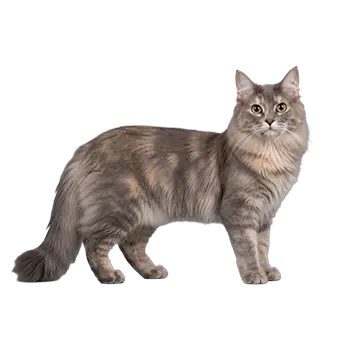

Car travel is generally the most practical and least stressful method of transporting a Tiffanie, particularly for shorter trips such as veterinary visits, moves to a new home, or journeys to cat shows. The key to successful car travel is a secure, well-ventilated carrier that is large enough for the cat to stand, turn around, and lie down comfortably. Hard-sided carriers offer better protection in the event of a sudden stop, while soft-sided options may be easier to store when not in use.
The carrier should be secured in the vehicle using a seat belt or placed on a flat, stable surface to prevent it from sliding or tipping during the journey. The back seat or the floor behind the front passenger seat are generally the safest locations. Never place the carrier in the boot of a saloon car or in any area where ventilation is restricted, as overheating poses a serious risk to cats.
Tiffanies, like most cats, may vocalize or show signs of anxiety during car travel, especially if they are not accustomed to it. Gradual acclimation can help reduce stress. Start by allowing the cat to explore the carrier at home with the door open, then progress to short trips around the neighbourhood before attempting longer journeys. A familiar blanket or item of clothing with the owner's scent can provide comfort during transit.
For longer road trips, plan regular stops to offer water and check on the cat's condition. Avoid feeding a large meal immediately before travel, as motion can cause nausea. Keep the car at a comfortable temperature and avoid playing loud music or making sudden movements that could startle the cat. If the Tiffanie is particularly anxious, consult a veterinarian about calming products or strategies that may help.