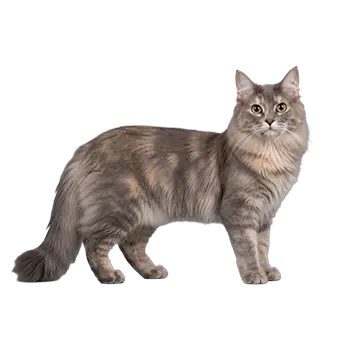

Breed-Specific Legislation

Unlike certain dog breeds, domestic cat breeds are rarely subject to breed-specific legislation in most jurisdictions. The Tiffanie, as a fully domestic pedigree cat with no wild ancestry, does not fall under any breed-specific bans or restrictions in the United Kingdom or in other countries where it is kept. Owners can generally acquire, keep, and breed Tiffanies without encountering breed-related legal barriers.

However, some jurisdictions have enacted laws that apply broadly to all cats, regardless of breed. These may include mandatory registration, microchipping requirements, and restrictions on the number of cats that can be kept in a single household. In the UK, the Microchipping of Cats Regulations require that all pet cats be microchipped, a rule that applies equally to pedigree and non-pedigree cats. Tiffanie owners should ensure compliance with these requirements.

In countries outside the UK where the Tiffanie is less well known, local authorities may not have specific provisions for pedigree cats but will apply general animal welfare and ownership laws. Prospective owners importing a Tiffanie should verify that the breed is classified as a domestic cat in their jurisdiction, as some countries maintain lists of restricted or prohibited animal species that could theoretically create confusion for unfamiliar breeds.

Breed clubs and registries can be valuable resources for navigating legal questions, as they often maintain up-to-date information about regulations affecting their members. The Asian Cat Association and similar organizations may offer guidance on compliance issues specific to the breeds they represent.

Ownership Requirements

Ownership requirements for Tiffanie cats are generally the same as those for any domestic cat in the relevant jurisdiction. In the United Kingdom, there is no licensing requirement for keeping domestic cats, but owners are expected to provide adequate care, shelter, nutrition, and veterinary attention in accordance with the Animal Welfare Act 2006. This legislation places a duty of care on all animal owners and can result in prosecution if standards are not met.

Breeders face additional requirements beyond those imposed on pet owners. In England, anyone breeding cats on a commercial basis may need to obtain a license under the Animal Welfare (Licensing of Activities Involving Animals) Regulations 2018. The thresholds and definitions vary, and hobby breeders producing a small number of litters per year may be exempt, but it is important for Tiffanie breeders to understand where they stand in relation to these rules.

Purchasers of Tiffanie kittens should expect reputable breeders to provide documentation including registration papers from a recognized registry such as the GCCF, a record of vaccinations and veterinary checks, and a written contract outlining the terms of sale. These documents serve as both legal protection and proof of the kitten's pedigree and health status.

In some jurisdictions, local councils may impose additional requirements on cat owners, such as limits on the number of pets per household or restrictions on outdoor access in environmentally sensitive areas. Tiffanie owners should check with their local authority to ensure they are meeting all applicable obligations.

Liability & Insurance

Cat owners in most jurisdictions are not subject to the same strict liability rules that apply to dog owners, but they can still be held responsible if their cat causes damage to property or injury to a person. In the United Kingdom, the Animals Act 1971 distinguishes between dangerous and non-dangerous species, and domestic cats fall into the non-dangerous category. This means that liability generally requires proof of negligence or knowledge that the specific animal posed a risk, rather than imposing automatic liability on the owner.

Pet insurance is widely available for cats and is strongly recommended for Tiffanie owners. Comprehensive policies typically cover veterinary treatment for illness and injury, third-party liability, and in some cases, theft or loss of the animal. Given the Tiffanie's value as a pedigree cat, insurance can provide important financial protection against unexpected veterinary costs or the loss of a breeding animal.

Breeders should consider additional insurance coverage that addresses risks specific to their activities. Breeding-specific policies may cover complications during pregnancy and birth, neonatal losses, and liability arising from the sale of kittens. Some policies also cover legal expenses in the event of a dispute with a buyer over the health or condition of a kitten.

Homeowners and renters should verify that their property insurance policies do not exclude liability for damage caused by pets. While cats are less likely than dogs to cause significant property damage or personal injury, incidents can occur, and having appropriate coverage in place prevents unexpected financial exposure.

Housing Restrictions

Housing restrictions affecting cat owners vary significantly depending on the type of property and the jurisdiction. In the United Kingdom, tenants in private rental properties may face clauses in their lease agreements that prohibit or restrict pet ownership. However, the Tenant Fees Act 2019 and subsequent guidance have encouraged landlords to consider allowing pets, and the Model Tenancy Agreement published by the UK government includes a default position that pets are permitted unless there is a specific reason to refuse.

Social housing tenants in the UK are generally permitted to keep cats, although individual housing associations may impose conditions such as requiring the cat to be kept indoors or limiting the number of pets per household. Tiffanie owners in social housing should review their tenancy agreements and communicate with their housing provider to ensure compliance.

In other countries, housing restrictions on pets can be more or less stringent. Some jurisdictions have enacted laws that limit a landlord's ability to prohibit pets outright, while others leave the matter entirely to the terms of the lease. Prospective Tiffanie owners should clarify pet policies before signing a rental agreement to avoid conflicts after the cat has already been acquired.

Condominium and homeowners association rules can also affect cat ownership. Some associations impose restrictions on the number, size, or type of pets permitted, and while these rules rarely target specific cat breeds, they may affect owners who keep multiple cats or who breed from home. Understanding these rules before purchasing a Tiffanie is an important step in responsible ownership planning.

Import & Export Regulations

Moving a Tiffanie across international borders requires compliance with the import and export regulations of both the country of origin and the destination country. Within Europe, the movement of pet cats is governed by the EU Pet Travel Scheme, which requires animals to be microchipped, vaccinated against rabies, and accompanied by an EU Animal Health Certificate or pet passport. Since the UK's departure from the European Union, additional documentation requirements apply to cats traveling between the UK and EU member states.

For travel between the UK and non-EU countries, the requirements vary by destination. Many countries require an import permit, a veterinary health certificate issued within a specified timeframe before travel, and proof of rabies vaccination. Some countries impose quarantine periods for incoming animals, which can range from a few days to several months depending on the country's rabies status and the animal's vaccination history.

Breeders who export Tiffanie kittens to buyers in other countries must ensure that all health and documentation requirements are met before the animal is shipped. This includes verifying that the destination country recognizes the Tiffanie as a domestic cat breed, as misclassification could lead to delays or refusal of entry. Working with an experienced animal transport company can help navigate the complexities of international pet shipping.

CITES regulations do not apply to domestic cat breeds like the Tiffanie, as they are not listed as endangered or threatened species. However, some countries maintain their own lists of regulated animal species, and breeders and owners should verify that their Tiffanie will be admitted without complications before making travel arrangements.

Rescue & Shelter Law

Rescue and shelter laws affect all cat breeds, including the Tiffanie. In the United Kingdom, stray cats that are taken in by local authorities or animal welfare organizations are subject to holding periods during which efforts must be made to locate the owner. If the owner cannot be found within the prescribed period, the organization may rehome the cat. Microchipping significantly increases the chances of a lost Tiffanie being returned to its owner, which is one of the practical benefits of the UK's mandatory microchipping requirement.

Pedigree cats like the Tiffanie that end up in rescue situations are typically handled by breed-specific rescue organizations rather than general shelters. The Asian Cat Association and similar groups may coordinate rescue and rehoming efforts for Tiffanies and other Asian group cats that need new homes due to owner surrender, abandonment, or welfare seizure. These organizations are better equipped to assess the specific needs of the breed and match rescued cats with appropriate new owners.

The legal framework surrounding animal rescue varies by jurisdiction, but most developed countries have laws that establish minimum standards of care for animals in shelters and rescue facilities. These laws typically address housing conditions, veterinary care, holding periods, and adoption procedures. Rescue organizations that handle Tiffanies are expected to comply with these standards and to ensure that rehomed cats are placed in suitable environments.

Owners who can no longer care for their Tiffanie should contact their breeder first, as many reputable breeders include take-back clauses in their sales contracts. If the breeder is unable to accept the cat, breed-specific rescue organizations are the next best option. Surrendering a pedigree cat to a general shelter should be a last resort, as shelter staff may not be familiar with the breed's specific needs and may struggle to find an appropriate adopter.

Always consult a qualified professional before making any health-related decisions. This content is provided for informational reference only and should not replace professional guidance specific to your animal.