
Representation in Print & Literature

The Ceylon cat's appearances in print media reflect its status as a breed known primarily within specialist circles rather than the mainstream pet-owning public. Italian cat magazines and breed encyclopedias have given the Ceylon the most consistent coverage, featuring the breed in profiles that highlight its Sri Lankan origins and its development by Italian breeders. These articles have served as the primary written record of the breed for European cat enthusiasts and have helped maintain awareness of the Ceylon within the Italian cat fancy community.

Breed encyclopedias and comprehensive cat reference books that aim to catalog all recognized breeds typically include entries on the Ceylon, though these tend to be brief compared to the extensive coverage given to more popular breeds. Authors of these reference works often emphasize the breed's exotic origin story and its unusual path from Sri Lankan village cat to Italian pedigree breed, framing the Ceylon as one of the more intriguing entries in the catalog of world cat breeds. The breed's inclusion in these references ensures that serious cat enthusiasts and prospective owners can find basic information about the Ceylon even if they have never encountered one in person.

Sri Lankan literature and travel writing occasionally reference the island's native cats in ways that connect to the Ceylon breed's backstory. Colonial-era accounts of life in Ceylon sometimes mention the small, graceful cats that inhabited homes and temple grounds, providing literary context for the breed's origins. Modern travel writers visiting Sri Lanka have also noted the island's distinctive cat population, sometimes drawing explicit connections to the pedigree breed that bears the island's former name.

The Ceylon has also appeared in veterinary and genetics literature, where it serves as a case study in breed development from a landrace population. Academic papers examining the genetics of coat color, the population structure of island cat populations, and the methodology of breed establishment have referenced the Ceylon as an example of a breed created through the formalization of a naturally occurring phenotype rather than through crossbreeding or selective modification.

Television & Film

The Ceylon cat's presence in television and film is extremely limited, a direct consequence of the breed's rarity and its concentration within a small geographic region. Unlike widely recognized breeds such as the Persian, Siamese, or Maine Coon, which have appeared in countless films, television shows, and commercials, the Ceylon has not achieved the kind of broad public recognition that leads to casting calls and media appearances. The breed's small population means that even in Italy, where most Ceylon cats reside, the chances of a filmmaker or commercial producer encountering one are slim.

Italian television has provided the Ceylon with its most notable screen time. Regional and national programs devoted to pets, animal welfare, and breed profiles have occasionally featured the Ceylon, typically in segments that focus on rare or unusual cat breeds. These appearances have been educational in nature, introducing viewers to the breed's origins and characteristics rather than casting Ceylon cats in narrative roles. Such segments, while modest in scope, have contributed to the breed's visibility among Italian pet enthusiasts.

Documentary programming about Sri Lanka's wildlife and cultural heritage has occasionally touched on the island's domestic cat population in ways that relate to the Ceylon breed. Programs exploring Sri Lanka's biodiversity sometimes include footage of the free-roaming cats that populate the island's villages and temple complexes, providing viewers with a glimpse of the environment in which the Ceylon's ancestors evolved. While these documentaries rarely mention the pedigree breed by name, they offer visual context that helps audiences understand the breed's natural heritage.

The absence of the Ceylon from mainstream film and television reflects a broader pattern in which only a handful of cat breeds achieve widespread media recognition. The vast majority of the world's recognized cat breeds, particularly those with small populations or limited geographic distribution, remain unknown to the general public despite their qualities. For the Ceylon, this media obscurity is gradually being offset by the breed's growing presence in digital and social media channels, where niche content can reach targeted audiences without the gatekeeping of traditional media production.

Online Presence & Social Media

The digital age has provided the Ceylon cat with opportunities for visibility that would have been unimaginable during the breed's early development in the 1980s. Social media platforms have become the primary venue through which rare breeds reach new audiences, and the Ceylon has benefited from this shift. Italian breeders and Ceylon cat owners maintain active accounts on platforms such as Instagram and Facebook, where they share photographs, videos, and information about the breed with followers who may never have the opportunity to see a Ceylon in person.

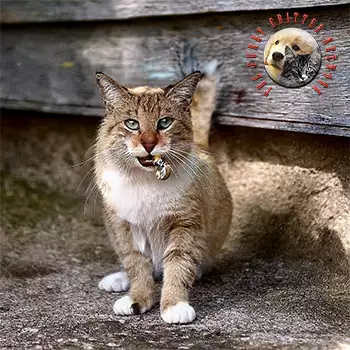
The visual appeal of the Ceylon's ticked coat and expressive features translates well to photography-driven platforms. The breed's warm coat colors, large eyes, and animated facial expressions produce images that stand out in social media feeds, and skilled breeders have learned to showcase their cats in ways that highlight these qualities. Photographs of Ceylon cats in natural settings, at play, or interacting with their owners generate engagement from cat enthusiasts worldwide, slowly building awareness of a breed that most people have never heard of.

Online cat communities and breed-specific forums have also played a role in connecting Ceylon enthusiasts across geographic boundaries. Italian-language forums dedicated to cat breeding and showing include active discussions about the Ceylon, and these conversations occasionally attract participants from other countries who have become interested in the breed through online research. The ability to share information, photographs, and breeding advice across borders has helped prevent the Ceylon community from becoming entirely insular, fostering connections between breeders and enthusiasts who might otherwise never interact.

The Ceylon's online presence also extends to breed databases and cat fancy websites that catalog information about recognized breeds from around the world. These digital resources provide prospective owners and curious researchers with access to breed standards, health information, and breeder directories, serving as a centralized source of information for a breed that lacks the commercial infrastructure of more popular breeds. As search algorithms and recommendation systems continue to surface niche content for interested users, the Ceylon's digital footprint is likely to expand, reaching cat enthusiasts who are actively seeking unusual and lesser-known breeds.

Photography & Visual Arts

The Ceylon cat's aesthetic qualities have made it an appealing subject for cat photographers and artists, particularly those with an interest in capturing the natural beauty of less common breeds. The breed's ticked coat creates a subtle interplay of light and shadow that presents both challenges and rewards for photographers. When properly lit, the alternating bands of color on each hair shaft produce a luminous, almost iridescent effect that distinguishes the Ceylon from solid-coated or boldly patterned breeds.

Italian cat photographers have produced the most substantial body of photographic work featuring the Ceylon. These images appear in breed club publications, cat show catalogs, and online galleries, serving both aesthetic and documentary purposes. The best Ceylon photography captures the breed's alert, engaged expression and its compact, balanced physique, conveying the qualities that attracted Dr. Pellegatta to the island cats of Sri Lanka in the first place. These photographs serve as the primary visual reference for the breed outside of in-person encounters.

The breed has also attracted attention from artists who work in traditional media. Cat portraiture, whether in oil, watercolor, or digital illustration, occasionally features the Ceylon as a subject, particularly among artists who specialize in rare or unusual breeds. The breed's warm coloring and distinctive facial structure offer artists a subject that differs meaningfully from the more commonly depicted breeds, providing an opportunity to explore subtleties of form and color that mainstream cat art rarely addresses.

Within the broader context of animal photography and art, the Ceylon occupies a niche that reflects growing interest in biodiversity and natural heritage. Photographers and artists who focus on rare breeds often frame their work as a form of documentation, creating visual records of breeds that might otherwise go unnoticed by the wider public. This documentary impulse aligns with the conservation-minded philosophy that has guided Ceylon breeding from the beginning, creating a natural affinity between the breed's community and artists who share their values.

The Breed's Cultural Footprint

The Ceylon cat's cultural footprint is modest but distinctive, shaped by the breed's unusual origin story and its position at the intersection of Sri Lankan heritage and Italian cat culture. Unlike breeds whose cultural impact is measured in film roles, advertising campaigns, or bestselling books, the Ceylon's influence operates on a smaller scale, touching the communities and individuals who have encountered the breed and been moved by its qualities. This intimate form of cultural impact is characteristic of rare breeds, whose significance often lies in what they represent rather than in their commercial reach.

In Italy, the Ceylon has become a symbol of the country's contributions to the international cat fancy. Italian breeders take pride in the fact that their countrymen recognized the value of Sri Lanka's native cats and worked to establish them as a formal breed. The Ceylon represents a distinctly Italian approach to breed development, one that emphasizes appreciation of natural beauty and careful stewardship over aggressive modification or commercial exploitation. This narrative resonates with broader Italian cultural values around craftsmanship, heritage preservation, and aesthetic discernment.

For Sri Lanka, the Ceylon cat serves as an unexpected cultural export. While the island nation is celebrated for its tea, spices, gemstones, and rich cultural traditions, the existence of a pedigree cat breed bearing its former colonial name adds an unusual dimension to Sri Lanka's global profile. The breed connects the island's natural heritage to the international community of cat enthusiasts, creating a cultural bridge that spans continents and disciplines.

The Ceylon's cultural footprint is also shaped by the conversations it generates about breed creation, genetic conservation, and the ethics of working with landrace animal populations. The breed's story raises questions about who has the right to formalize and name a naturally occurring animal variety, how genetic heritage should be preserved and shared, and what responsibilities breeders bear toward the source populations from which their breeds are derived. These discussions, while not always comfortable, contribute to a more thoughtful and reflective cat fancy culture.

Future Media Prospects

The outlook for the Ceylon cat's media presence is cautiously optimistic, driven by several converging trends in how people discover and engage with companion animals. The growing popularity of rare and unusual breeds among cat enthusiasts, fueled by social media discovery and a desire for distinctiveness, positions the Ceylon to attract increasing attention from audiences who have exhausted their interest in mainstream breeds. As cat content continues to dominate social media engagement metrics, creators and platforms are increasingly seeking novel subjects, and rare breeds like the Ceylon offer fresh material.

The rise of streaming documentary content has created new opportunities for breeds that lack the commercial profile to attract traditional media attention. Streaming platforms have demonstrated an appetite for niche animal content, producing series and specials that explore unusual breeds, rare species, and the communities that surround them. A well-produced documentary segment or series episode featuring the Ceylon could significantly raise the breed's profile, introducing it to audiences far beyond the Italian cat fancy community.

Advances in digital media production have also lowered the barriers to creating professional-quality content about niche subjects. Ceylon breeders and enthusiasts with access to modern cameras, editing software, and distribution platforms can produce and share content that rivals traditional media in quality if not in reach. This democratization of media production means that the Ceylon's media future is not entirely dependent on the interest of mainstream producers but can be shaped by the breed's own community.

The breed's compelling origin story provides rich material for narrative-driven media. The tale of an Italian veterinarian traveling to Sri Lanka, recognizing the beauty of the island's native cats, and spending years developing them into a recognized breed has the elements of a compelling human-interest story. This narrative arc, combined with the breed's visual appeal and the exotic backdrop of Sri Lanka, offers media producers a ready-made storyline that could resonate with audiences interested in animals, travel, and cultural exchange.

Always consult a qualified professional before making any health-related decisions. This content is provided for informational reference only and should not replace professional guidance specific to your animal.