
Breed-Specific Travel Considerations

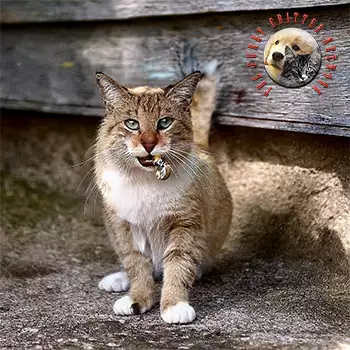
The Ceylon cat's temperament and physical characteristics create a travel profile that is generally more favorable than that of many other pedigree breeds. The breed's sociable, human-oriented disposition means that Ceylon cats typically tolerate being handled and confined more readily than more independent or nervous breeds. Their strong attachment to their owners can be both an advantage and a consideration during travel: a Ceylon that is with its trusted person is likely to remain calmer than one being transported by a stranger or shipped unaccompanied.

The breed's small to medium size is a significant practical advantage for travel. Ceylon cats generally fall well within the weight limits imposed by airlines for in-cabin pet travel, and their compact build means they fit comfortably in standard airline-approved carriers. This eliminates the need for cargo hold transport in most cases, which is a significant benefit given the stress and safety concerns associated with placing animals in the pressurized but temperature-variable cargo compartments of commercial aircraft.

The Ceylon's short, close-lying coat requires minimal grooming preparation before travel and is unlikely to cause issues in transit. Unlike long-haired breeds that may arrive at their destination with matted or soiled coats after extended confinement, the Ceylon's low-maintenance coat stays clean and manageable even during long journeys. This practical advantage reduces the preparation time needed before travel and eliminates one potential source of discomfort for the cat during the trip.

Despite these favorable characteristics, the Ceylon's rarity introduces a unique travel concern: the financial and emotional stakes of transporting an animal that may be irreplaceable. Ceylon kittens and breeding cats represent a significant investment, and the loss of a cat during transport could be devastating both personally and in terms of the breed's small gene pool. This reality calls for an elevated standard of care and preparation when traveling with Ceylon cats, particularly during international shipments where the cat may spend extended periods in transit.

Air Travel Preparation & Procedures

Preparing a Ceylon cat for air travel requires attention to airline policies, carrier specifications, and the cat's physical and psychological readiness for the experience. Most major airlines permit small cats in the cabin when housed in an approved carrier that fits beneath the seat, and the Ceylon's compact size makes in-cabin travel feasible on virtually all carriers that accept pets. Booking should be done well in advance, as airlines typically limit the number of pets allowed per flight, and popular routes may fill their pet allocations quickly.

Carrier selection for air travel with a Ceylon should prioritize both compliance with airline specifications and the cat's comfort during the journey. The carrier must meet the airline's dimensional requirements and must be well-ventilated, secure, and spacious enough for the cat to stand, turn around, and lie down comfortably. Hard-sided carriers offer superior protection and structural integrity, while soft-sided carriers are often easier to fit beneath airline seats and may be more comfortable for the cat during extended confinement. Including a familiar blanket or item of the owner's clothing in the carrier can provide olfactory comfort that helps reduce stress.

Acclimating the Ceylon to its carrier well before the travel date is one of the most effective strategies for reducing travel-related stress. Beginning several weeks in advance, the carrier should be left open in the home with comfortable bedding inside, allowing the cat to explore and rest in it voluntarily. Feeding meals inside the carrier and using it for short car rides of increasing duration helps the cat form positive associations with the enclosure, making the transition to airline travel less jarring.

On the day of travel, the Ceylon should be fed a light meal several hours before departure to reduce the risk of motion sickness. Fresh water should be available in the carrier throughout the journey, and owners should plan for layovers and delays by carrying extra supplies including a portable litter pan, litter, food, and any medications the cat may require. Documentation including health certificates, vaccination records, and any required permits should be organized in an easily accessible folder, as airline staff and security personnel will typically need to review these documents at check-in and during boarding.

Ground Transportation

Car travel is the most common form of ground transportation for Ceylon cats, whether for routine veterinary visits, cat show attendance, or longer relocations. The breed's adaptable temperament generally makes car travel straightforward, particularly for cats that have been acclimated to the experience from a young age. A secure carrier placed on the back seat and fastened with a seatbelt is the safest configuration, as it prevents the carrier from sliding or being thrown in the event of sudden stops or collisions.

For longer car journeys, planning regular stops allows the owner to check on the cat, offer water, and provide access to a portable litter pan. The carrier should never be opened while the car is in an unsecured area such as a gas station parking lot, as an escaped cat in an unfamiliar location is extremely difficult to recover. Instead, stops should be taken in the car with windows closed and the engine running for climate control, or in a fully enclosed space where the cat cannot escape.

Temperature management is critical during ground transport, particularly in summer months when interior car temperatures can rise to dangerous levels within minutes. Ceylon cats, like all domestic cats, are susceptible to heatstroke, and their small body mass means they can overheat quickly in a warm vehicle. The car's climate control system should be running before the cat is loaded, and the cat should never be left unattended in a parked vehicle, even for brief periods. In winter, the opposite concern applies: ensuring that the car's interior is warm enough for the cat's comfort, particularly if the carrier will be exposed to cold air during loading and unloading.

Train travel with cats is permitted on many European rail systems, which is relevant for Ceylon owners in Italy and elsewhere in Europe who may prefer rail to air for domestic journeys. Requirements vary by railway operator but generally include keeping the cat in a carrier throughout the journey and purchasing a pet ticket. Italy's Trenitalia system permits small pets in carriers on most train classes, making rail a viable and often less stressful alternative to air travel for domestic trips within the country.

International Relocation

Relocating a Ceylon cat internationally is one of the more complex undertakings a cat owner may face, requiring coordination of veterinary preparations, regulatory compliance, and logistical planning that can span several months. The process begins with identifying the destination country's import requirements, which vary enormously and may include microchipping, rabies vaccination with specific timing requirements, rabies antibody titer testing, parasite treatments, and extended quarantine upon arrival.

For relocations within the European Union, the process is relatively streamlined thanks to the EU Pet Travel Scheme. A Ceylon cat traveling between EU member states needs a microchip, current rabies vaccination, and a valid EU pet passport issued by an authorized veterinarian. These documents are checked at the point of departure and may be inspected upon arrival, but there is no quarantine requirement for cats traveling between EU countries. This regulatory framework has made it feasible for Ceylon breeding stock to move between Italian catteries and breeders in other EU nations without prohibitive administrative burdens.

Relocations to countries outside the EU introduce substantially greater complexity. The United States requires an international health certificate issued within a specified window before departure, along with proof of rabies vaccination. The certificate must be endorsed by the official veterinary authority in the country of export, adding an additional administrative step. Countries such as Australia, New Zealand, and Singapore impose extended quarantine periods that can last from ten days to several months, during which the cat is housed in a government-approved quarantine facility. These quarantine requirements add significant cost and stress to the relocation process and should be weighed carefully before committing to a move.

Professional pet relocation services can simplify the international transport process by managing documentation, booking compliant flights, arranging ground transport at both ends, and ensuring that all regulatory requirements are met. These services are particularly valuable for Ceylon owners who lack experience with international pet transport or who are moving to countries with complex import procedures. While the cost of professional relocation services can be substantial, the peace of mind they provide and the reduced risk of costly errors or delays often justify the expense, particularly when a rare and valuable animal is involved.

Cat Shows & Exhibition Travel

Traveling to cat shows is one of the most common reasons Ceylon owners transport their cats beyond routine veterinary visits. The show circuit requires regular travel, sometimes across significant distances, and experienced exhibitors develop systems and routines that minimize stress for both the cat and the handler. For Ceylon cats, whose competitive opportunities may be limited by the breed's recognition status, show travel often involves attending events organized by registries that recognize the breed, which may mean traveling farther than exhibitors of more widely recognized breeds.

Preparation for show travel combines the practical considerations of transport with the grooming and presentation requirements of the show ring. The Ceylon's short coat requires less pre-show grooming than long-haired breeds, but owners should ensure the cat is clean, well-nourished, and in good physical condition before departing for a show. A show kit typically includes grooming supplies, a show cage with bedding and curtains, food and water dishes, litter and a litter pan, and copies of registration documents and health certificates that may be required for entry.

Show venues themselves present a unique travel environment for cats. The noise, crowds, and proximity of unfamiliar cats can be stressful even for well-socialized animals, and the Ceylon's alert, curious nature means it may be more responsive to environmental stimuli than more placid breeds. Experienced exhibitors use cage curtains to provide visual screening, familiar bedding to provide olfactory comfort, and calm handling to help their cats remain relaxed during the show. First-time show cats benefit from attending one or two events as spectators before being entered in competition, allowing them to acclimate to the show environment without the added pressure of judging.

For Ceylon exhibitors who travel to international shows, the logistics of show travel merge with the requirements of international transport. Cats shown at events organized by international registries may need to cross national borders, requiring compliance with the import regulations of the destination country as well as re-entry requirements for the home country. Experienced international exhibitors maintain up-to-date health documentation and ensure their cats' vaccinations and parasite treatments are current well in advance of any planned travel, avoiding last-minute complications that could prevent them from competing.

Accommodation & Boarding

Finding appropriate accommodation while traveling with a Ceylon cat requires advance planning, as pet policies vary widely among hotels, vacation rentals, and other lodging options. In Europe, pet-friendly accommodation is widely available, and many hotels in Italy and neighboring countries accept cats without additional restrictions beyond a cleaning fee. Booking platforms that filter for pet-friendly properties simplify the search process, though it is always advisable to confirm pet policies directly with the property before arrival, as listed policies may not always reflect current practice.

When staying in hotels or vacation rentals with a Ceylon, the room should be made cat-safe before allowing the cat out of its carrier. This means checking for potential escape routes such as open windows, balcony doors, or gaps behind furniture, and removing or securing any items that could be hazardous if investigated by a curious cat. A portable litter pan, food and water dishes, and a familiar toy or blanket should be set up in a quiet corner of the room to create a small comfort zone that helps the cat feel secure in the unfamiliar space.

For situations where the cat cannot accompany the owner, boarding facilities or professional pet sitters provide alternative care. The Ceylon's social temperament means it generally adapts well to attentive pet sitters who provide regular interaction and stimulation, making in-home pet sitting an excellent option for this breed. Commercial boarding facilities should be evaluated carefully, with preference given to those that house cats separately from dogs, provide individual enclosures of adequate size, and maintain high standards of hygiene and veterinary oversight.

Given the Ceylon's rarity and value, owners who board their cats should ensure that the boarding facility carries adequate insurance and has clear policies regarding veterinary emergencies. A written boarding agreement that specifies the owner's veterinarian contact information, authorized emergency procedures, and any special care requirements is essential. Some Ceylon owners arrange reciprocal care agreements with other trusted breeders or cat enthusiasts, providing a boarding alternative that combines the security of a known caretaker with the expertise of someone familiar with the breed's specific needs and temperament.

Always consult a qualified professional before making any health-related decisions. This content is provided for informational reference only and should not replace professional guidance specific to your animal.