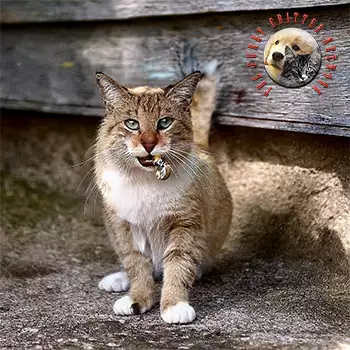

Owning a Ceylon cat is subject to the same general legal framework that governs domestic cat ownership in most jurisdictions. In the European Union, where the majority of Ceylon cats reside, domestic cat ownership is regulated at the national and sometimes municipal level, with requirements that typically include microchipping, registration with local authorities, and compliance with animal welfare standards. Italy, as the breed's primary home, requires all cats to be microchipped and registered in the national pet registry, a requirement that applies equally to pedigree and non-pedigree cats.
Unlike some exotic or hybrid cat breeds, the Ceylon does not face breed-specific ownership restrictions in any known jurisdiction. Because the breed is derived entirely from domestic cat stock with no wild cat hybridization, it is classified as a standard domestic cat for regulatory purposes. This means that Ceylon owners are not subject to the special permits, enclosure requirements, or ownership bans that apply to breeds with recent wild ancestry, such as early-generation Bengals or Savannahs. Prospective Ceylon owners can generally acquire and keep the breed without any additional legal hurdles beyond standard pet ownership requirements.
In jurisdictions outside Europe, ownership requirements for domestic cats vary considerably. In the United States, cat ownership regulations are primarily set at the state and local level, and most jurisdictions impose minimal requirements beyond basic animal cruelty statutes. Some municipalities require cat licensing, and many urban areas have ordinances related to the number of cats that can be kept in a single household, which may be relevant to breeders maintaining multiple Ceylon cats. In Australia, Canada, and other common destinations for pedigree cats, similar frameworks apply, with specific requirements varying by state, province, or territory.
Prospective Ceylon owners should also be aware of landlord and homeowner association restrictions that may affect their ability to keep a cat regardless of breed. Rental agreements and community covenants that prohibit or limit pet ownership are common in many housing markets, and these private restrictions operate independently of government regulations. Given the difficulty of acquiring a Ceylon cat and the financial investment involved, prospective owners are well advised to confirm that their housing situation permits cat ownership before committing to a purchase.