
Nutritional Needs

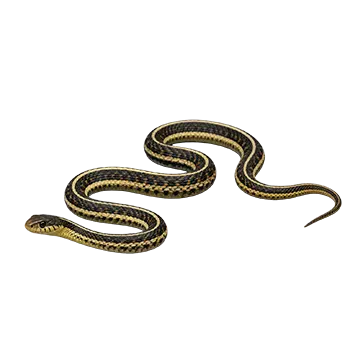
The Eastern Garter Snake occupies a distinctive dietary niche among commonly kept snake species. Unlike the majority of colubrids maintained in captivity, Thamnophis sirtalis sirtalis is not an obligate rodent feeder. In the wild, Eastern Garter Snakes consume a remarkably varied diet that includes earthworms, amphibians, fish, slugs, leeches, and occasionally small rodents. This broad dietary profile is both a blessing and a challenge for the keeper — it opens up multiple feeding strategies but also demands a more nuanced understanding of nutritional balance than simply selecting the correct size of frozen mouse.

Calcium and phosphorus balance is the single most important nutritional consideration for Eastern Garter Snakes maintained on invertebrate-heavy or fish-heavy diets. When a snake consumes a whole rodent, it ingests a complete skeleton that provides calcium in roughly appropriate proportion to phosphorus. Earthworms, fish fillets, and amphibians do not deliver calcium in the same concentrations, and a garter snake fed exclusively on unsupplemented earthworms or fish will develop metabolic bone disease over time. The skeletal deformities and muscular tremors associated with chronic calcium deficiency are entirely preventable with proper supplementation and dietary planning.

Protein and fat requirements for the Eastern Garter Snake are modest relative to larger constrictor species. An adult Eastern Garter Snake in maintenance mode requires enough caloric intake to sustain a body weight typically between forty and one hundred grams, depending on the individual's length and build. Garter snakes have relatively fast metabolisms compared to pythons and boas — they digest meals quickly and benefit from more frequent feeding intervals. This metabolic pace means that nutritional deficiencies can manifest more rapidly in garter snakes than in species that eat infrequently and store nutrients over weeks.

Hydration plays a significant supporting role in the Eastern Garter Snake's nutritional health. These snakes are semi-aquatic in their natural habitats, frequently foraging along stream banks, pond margins, and wet meadows across eastern North America. They drink readily and often, and they absorb considerable moisture from their prey, particularly when consuming earthworms or fish. A fresh, clean water source must be available at all times, and keepers who notice reduced feeding response or sluggish digestion should evaluate whether the snake is adequately hydrated before investigating other potential causes.

Choosing the Right Prey

Prey selection for the Eastern Garter Snake revolves around three primary food categories: earthworms, fish, and pinky mice. Each category offers distinct nutritional advantages, and a rotation that incorporates elements of all three produces the most robust nutritional profile. Earthworms — specifically nightcrawlers of the species Lumbricus terrestris — are the dietary backbone for most captive garter snakes. They are readily accepted by virtually every individual, they are easy to source year-round, and they provide a solid foundation of protein and moisture. However, earthworms alone lack the calcium density and fat content necessary for long-term health, making them an excellent staple that must be complemented by other prey items.

Feeder fish represent the second pillar of Eastern Garter Snake nutrition, but species selection is critically important. Guppies, mollies, platies, and other small livebearers raised specifically as feeder fish are safe and nutritionally appropriate options. These species do not contain thiaminase, the enzyme that destroys vitamin B1 and leads to fatal neurological disease in snakes fed exclusively on certain fish species. Rosy red minnows, which are a color morph of the fathead minnow Pimephales promelas, are widely available and affordable feeder fish that also lack thiaminase, making them a practical choice for regular feeding. The fish should be offered whole to provide the full nutritional benefit of scales, bones, and internal organs.

Pinky and fuzzy mice add a rodent component that delivers concentrated calcium, fat, and organ-derived micronutrients in a single prey item. Many experienced garter snake keepers offer pinkies or fuzzies once every two to three feeding cycles as a nutritional supplement rather than a primary food source. Not all Eastern Garter Snakes will accept rodent prey willingly, particularly individuals that were raised exclusively on worms and fish. Scenting a pinky mouse by rubbing it against a nightcrawler or placing it in water with feeder fish can often trigger acceptance in reluctant feeders.

Prey sizing for the Eastern Garter Snake follows the general guideline of offering items no wider than one and a half times the diameter of the snake's head. For neonates, this means chopped nightcrawler pieces, small whole worms, or newborn guppies. Juvenile snakes in the eight-to-twelve-inch range can consume whole nightcrawlers and small feeder fish. Adults take full-sized nightcrawlers, medium feeder fish, and pinky or fuzzy mice without difficulty. Offering multiple smaller prey items per feeding session rather than one large item is standard practice for garter snakes, which in the wild consume numerous small food items in a single foraging bout rather than a single large meal.

Frozen and Prepared Food Options

Frozen feeder fish are the most commonly used prepared food product for Eastern Garter Snakes, and they offer significant convenience and safety advantages over live fish. Live feeder fish from pet stores frequently carry parasites, bacterial infections, and residual medications from wholesale fish farms, all of which can be transmitted to the snake. Frozen fish, when sourced from reputable feeder suppliers, have been flash-frozen shortly after harvest, which kills most parasites while preserving nutritional content. Silversides, a small marine fish commonly sold frozen in reptile supply outlets, are an excellent supplementary food for garter snakes — they are rich in calcium due to their easily digestible skeletal structure and provide omega-3 fatty acids that support skin and scale health.

Frozen pinky and fuzzy mice are widely available from every major feeder supplier and are stocked by most pet retailers that carry reptile supplies. These are the same products used for other small snake species and are typically sold in bulk packs of twenty-five to one hundred. For an Eastern Garter Snake that accepts rodent prey, a bag of frozen pinkies represents months of supplemental feeding at very low cost. Storage in a dedicated section of a household freezer at or below zero degrees Fahrenheit maintains quality for up to six months, though many keepers use chest freezers to separate feeder items from household food.

Commercial garter snake diets exist, though they occupy a niche market and are produced by only a handful of manufacturers. These products typically combine fish meal, earthworm protein, vitamins, and binding agents into a sausage-like preparation that can be sliced and offered on a dish or with tongs. Acceptance varies significantly among individual snakes — some take to commercial diets readily, while others refuse them entirely. These products can serve as a useful emergency backup when live or frozen prey is temporarily unavailable, but they should not be relied upon as the sole food source because the processing involved diminishes some nutritional value and the texture does not stimulate natural feeding behaviors as effectively as whole prey.

Thawing and preparation of frozen prey items requires attention to food safety. Frozen fish and rodents should be thawed in a sealed plastic bag submerged in warm water for fifteen to thirty minutes, depending on the size of the item. Microwave thawing is discouraged because it creates hot spots that can burn the snake's mouth and partially cook the prey, altering its scent profile and potentially reducing palatability. Once thawed, prey should be offered promptly and any uneaten items discarded within a few hours to prevent bacterial growth in the warm enclosure environment.

Supplements and Vitamins

Calcium supplementation is non-negotiable for Eastern Garter Snakes maintained on worm-and-fish diets, which constitute the majority of captive garter snake feeding programs. A reptile-specific calcium powder without added phosphorus should be dusted onto earthworms or applied to thawed fish at every feeding or every other feeding, depending on how frequently the snake receives whole rodent prey. The calcium-to-phosphorus ratio in a garter snake's overall diet should approximate two-to-one, and without supplementation, invertebrate and fish-based diets typically deliver a ratio that is inverted or, at best, even. Sustained calcium deficiency leads to metabolic bone disease, which manifests as spinal kinks, jaw malformation, difficulty striking and swallowing prey, and in advanced cases, pathological fractures.

Vitamin D3 is the essential cofactor that enables calcium absorption in the intestinal tract, and its provision for Eastern Garter Snakes warrants careful consideration. Unlike nocturnal or fossorial snake species, garter snakes are diurnal and bask regularly in the wild, synthesizing vitamin D3 through cutaneous exposure to ultraviolet B radiation. While debate continues among herpetologists about whether captive garter snakes strictly require UVB lighting for adequate D3 synthesis, many experienced keepers provide low-level UVB exposure and use calcium supplements that include D3 as a precautionary measure. The combination of dietary D3 and modest UVB exposure provides redundancy that protects against deficiency without risking toxicity at the dosages involved.

Thiamine supplementation becomes necessary when fish constitutes a large proportion of the diet, even when the fish species offered do not contain thiaminase. Freezing and thawing fish degrades thiamine content over time, and a garter snake consuming primarily frozen-thawed fish may develop subclinical thiamine deficiency that manifests as reduced appetite, lethargy, and eventually neurological symptoms including incoordination and head tremors. A reptile B-complex vitamin applied to fish prey once weekly provides a safety margin against this degradation. Alternatively, rotating fish meals with earthworm and rodent meals reduces dependence on any single nutrient source and naturally mitigates the risk of thiamine shortfall.

Multivitamin powders formulated for reptiles can be used sparingly as a broad-spectrum nutritional safety net. A light dusting applied to prey once every one to two weeks supplies trace amounts of fat-soluble and water-soluble vitamins that may be marginal in a captive diet. Over-supplementation is a genuine risk, however, particularly with fat-soluble vitamins A and D, which accumulate in liver tissue and can cause toxicity at elevated doses. The most reliable approach to nutritional completeness is dietary variety — a garter snake that regularly consumes earthworms, safe feeder fish, and occasional rodent prey with appropriate calcium dusting will receive the vast majority of its nutritional requirements from food alone, with supplementation serving as a minor corrective rather than a primary nutrient source.

Foods to Avoid

Thiaminase-containing fish species represent the single greatest dietary hazard for captive Eastern Garter Snakes and must be avoided without exception. Goldfish, rosy reds from uncertain suppliers, and certain wild-caught freshwater species including smelt, carp, and white bass contain the enzyme thiaminase, which breaks down vitamin B1 in the snake's digestive tract. A garter snake fed regularly on thiaminase-positive fish will develop progressive neurological deterioration — beginning with mild incoordination, advancing to inability to strike or swallow prey, and ultimately resulting in death if the dietary cause is not identified and corrected. This condition is entirely preventable by using only verified thiaminase-free feeder fish species from reputable breeders.

Wild-caught prey of any kind introduces uncontrollable risks that responsible keepers should not accept. Earthworms collected from lawns, gardens, or roadsides may carry pesticide residues, herbicide compounds, heavy metals, or internal parasites that transfer directly to the snake upon consumption. Even worms harvested from areas believed to be chemical-free can carry parasitic nematodes or cestodes that colonize the snake's gastrointestinal tract. The small cost savings of collecting wild worms versus purchasing them from a bait supplier or breeding them at home does not justify the veterinary expenses and health risks associated with contaminated prey.

Processed human foods — including canned fish, cooked meat, deli slices, and raw grocery-store seafood — are entirely inappropriate for Eastern Garter Snakes. These products contain preservatives, sodium levels far exceeding what a small reptile can process, and seasonings or curing agents that are toxic at the concentrations involved. Raw tilapia fillets or salmon pieces from a grocery store, while sometimes suggested in outdated care guides, lack the whole-prey nutritional completeness that garter snakes require and frequently carry bacterial loads including salmonella and listeria that pose infection risk to both the snake and the keeper.

Feeding frequency errors, while not a food type per se, are worth addressing in the context of dietary hazards. Eastern Garter Snakes have faster metabolisms than many commonly kept snake species, and keepers transitioning from python or boa husbandry sometimes underfeed garter snakes by spacing meals too far apart. Conversely, overfeeding leads to obesity, which stresses the cardiovascular system and liver of a snake whose natural body plan is slender and streamlined. Neonates benefit from feeding every two to three days, juveniles every three to four days, and adults every five to seven days. Adjustments should be made based on the individual snake's body condition — the spine should be barely palpable beneath a smooth, rounded dorsal profile, without visible fat deposits or prominent vertebral ridges.

Feeding Tools and Technique

Feeding tongs are a fundamental tool for Eastern Garter Snake keepers, though the tongs appropriate for garter snakes differ from those used with larger species. Lightweight, rubber-tipped feeding tongs between eight and twelve inches in length are ideal. Metal-tipped tongs or hemostats, while common in collections of larger constrictors, can injure the delicate jaw structure of a small garter snake if the animal strikes aggressively and contacts the metal directly. Rubber-tipped tongs cushion the impact and also grip slippery prey items such as thawed fish and worms more effectively than smooth metal surfaces. A dedicated pair of tongs for each food type — one for fish, one for worms, one for rodents — prevents cross-contamination of scent that can cause feeding confusion.

Dishes and shallow feeding platforms offer an alternative delivery method that many garter snake keepers prefer, particularly when feeding worms or fish pieces. A small ceramic or glass dish placed in the enclosure with a few nightcrawler pieces or thawed silversides allows the snake to feed at its own pace without the stimulation of tong movement, which can cause defensive musk releases in nervous individuals. Dish feeding also works well for snakes housed in groups, as multiple individuals can feed simultaneously from the same dish with reduced competition stress, though keepers must still monitor to prevent one snake from consuming another's portion or, in rare cases, accidentally ingesting a cagemate's head during a simultaneous strike at the same prey item.

Feeding location and timing influence acceptance rates and long-term feeding behavior. Eastern Garter Snakes are diurnal foragers that are most active and alert during morning and early afternoon hours, corresponding to their basking period. Offering food during these peak activity windows typically produces the strongest feeding response. Some keepers feed their garter snakes in a separate, bare-bottomed container to prevent substrate ingestion and to establish a clear behavioral distinction between the enclosure as a resting space and the feeding container as a food-associated environment. This practice is particularly useful for snakes that tend to strike defensively when a hand enters the enclosure, as it redirects the food-anticipation response to a different physical context.

Record keeping may seem excessive for a species as straightforward as the Eastern Garter Snake, but a simple feeding log that tracks the date, prey type, quantity, and whether the snake accepted or refused the meal provides invaluable long-term data. Patterns in feeding refusals often correlate with shedding cycles, seasonal brumation instincts, or environmental parameters that have drifted out of optimal range. A keeper who notices that feeding strikes consistently precede a shed by four to five days, for example, can preemptively skip a scheduled feeding rather than wasting prey items and stressing the snake. For breeders, feeding logs also inform reproductive management by documenting caloric intake relative to follicular development and post-partum recovery in females.

Always consult a qualified professional before making any health-related decisions. This content is provided for informational reference only and should not replace professional guidance specific to your animal.