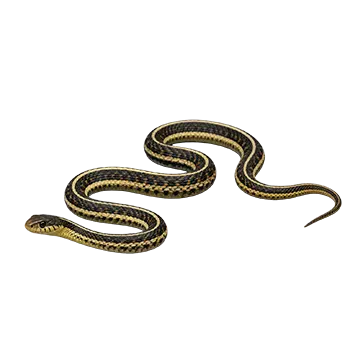

Water Dishes and Soaking Containers

The water dish is the single most frequently interacted-with accessory in an Eastern Garter Snake enclosure, serving as a hydration source, soaking vessel, humidity contributor, and, inevitably, a defecation site. Selecting the right water container for a garter snake requires more thought than many keepers initially assume. The dish must be heavy enough to resist tipping when the snake enters and exits, shallow enough that the snake can rest on the bottom without risk of drowning, wide enough for the snake to submerge its entire body during pre-shed soaking, and constructed from a material that cleans easily and does not harbor bacterial biofilm in its surface texture.

Ceramic reptile water dishes are the gold standard for Eastern Garter Snake enclosures. Their weight provides inherent stability, their glazed interior surfaces resist biofilm adhesion, and their broad, shallow profiles accommodate full-body soaking. Dishes with naturalistic rock or wood textures on the exterior blend aesthetically into planted or naturalistic enclosures while maintaining a smooth, easy-to-clean interior. The primary drawback of ceramic dishes is their fragility — they chip and crack if dropped, and a chipped dish develops rough edges that can harbor bacteria and potentially abrade the snake's ventral scales.

Plastic water dishes designed specifically for reptile use offer a lightweight, durable, and affordable alternative. Many are injection-molded with built-in ramp features that allow the snake to enter and exit the water easily, and some include integrated rock formations that serve as visual barriers around the water's edge. The textured surfaces of many plastic reptile dishes, however, are more prone to biofilm accumulation than smooth ceramic or glass, requiring more vigorous scrubbing during daily water changes. Smooth-sided plastic food storage containers from kitchen supply stores are an inexpensive functional option that sacrifices aesthetics for ease of cleaning and replacement.

A dedicated soaking container, separate from the primary water dish, is a useful accessory during shedding periods. Eastern Garter Snakes typically soak more frequently in the days before ecdysis, and providing a slightly larger, slightly warmer soaking vessel during this period supports the hydration of the developing skin layer and facilitates a clean, complete shed. The soaking container should be placed on the warm side of the enclosure and filled with dechlorinated water at approximately eighty degrees Fahrenheit. Some keepers add a very small amount of reptile-specific shedding aid solution to the soaking water, though plain warm water is generally sufficient for a healthy snake with appropriate ambient humidity.

Handling and Transport Equipment

Regular handling is an important aspect of Eastern Garter Snake keeping that builds the snake's tolerance of human interaction and allows the keeper to monitor body condition, check for health abnormalities, and perform routine maintenance tasks without excessive defensive behavior from the animal. The handling equipment appropriate for garter snakes is distinctly different from the hooks and grab sticks used with larger or more defensive species — a confident, gentle hand is the primary tool, supplemented by a few purpose-built accessories that make the process safer and less stressful for both parties.

Snake hooks scaled for small colubrids are useful for the initial lift-out when opening the enclosure, particularly with newly acquired animals or individuals that are known to be defensive. A small hook with a shaft length of eight to twelve inches and a gently curved tip allows the keeper to slide the snake's body out from under a hide and support it while transitioning to a hand hold. The hook reduces the overhead reaching motion that triggers defensive responses in many snakes — garter snakes are prey items for numerous raptors, and an approaching hand from above closely resembles a predatory strike. Once the snake is supported on the hook and visibly calm, it can be transferred to the keeper's hands for the remainder of the handling session.

Transport containers are essential for veterinary visits, temporary housing during enclosure cleaning, and any situation that requires moving the snake outside its primary enclosure. A ventilated plastic container with a secure, locking lid is the safest transport vessel. The container should be just large enough for the snake to coil comfortably without excess space that allows the animal to slide and bang against the walls during movement. A damp paper towel on the floor of the transport container provides moisture and traction, and a small piece of fabric or crumpled paper gives the snake something to hide under, reducing transport-related stress significantly.

Cloth snake bags, while standard transport equipment for larger snakes, are less practical for Eastern Garter Snakes due to the species' small diameter. A garter snake can work its way through the weave of a loosely woven bag or wedge itself into the tied corner in a way that makes safe extraction difficult. If a bag must be used, a fine-mesh bag designed for small reptiles or a pillowcase with the open end secured by multiple knots provides a more appropriate enclosure. Many experienced garter snake keepers prefer rigid containers over bags for the added protection against accidental crushing and the ease of visual inspection through translucent plastic walls.

Handling duration and frequency should be calibrated to the individual snake's temperament and the keeper's goals. A newly acquired Eastern Garter Snake should be left undisturbed in its enclosure for a minimum of five to seven days to acclimate before handling is attempted. Initial handling sessions should be brief — three to five minutes — and should occur during the snake's active daytime hours rather than during evening rest periods. Gradually extending session length to fifteen or twenty minutes over the course of several weeks builds the snake's comfort level without overwhelming its stress-management capacity. Handling should be suspended for forty-eight hours after feeding to prevent stress-induced regurgitation, during the opaque-eye phase of the shedding cycle when vision is impaired and defensiveness is elevated, and whenever the snake displays persistent defensive behavior such as sustained musking or repeated striking.

Feeding Tools and Prey Management

Feeding tongs are arguably the most used accessory in the Eastern Garter Snake keeper's toolkit after the water dish itself. The tongs appropriate for garter snake use are smaller, lighter, and more delicately tipped than those used with larger species. Stainless steel tongs with silicone or rubber-coated tips, eight to ten inches in length, provide the ideal combination of precision, grip, and cushioning. The rubber tips are essential because garter snakes strike quickly and sometimes inaccurately — a snake that contacts a bare metal tip with its jaw can chip or fracture the small, delicate teeth that Thamnophis species use to grip slippery prey. Dedicated feeding tongs should be washed after each use and stored separately from any tongs used for enclosure maintenance to prevent cross-contamination of cleaning product residues onto food-contact surfaces.

Prey storage containers and dedicated freezer space constitute a critical but often overlooked accessory category. Frozen fish, earthworms, and pinky mice should be stored in airtight, labeled containers that prevent cross-contamination and freezer burn. Vacuum-sealed bags extend the freezer life of frozen prey items and eliminate the odor leakage that can be socially problematic in shared living spaces. A small chest freezer or a dedicated section of the household freezer designated exclusively for feeder items keeps reptile supplies organized and addresses the reasonable objection many household members have to sharing food storage space with frozen rodents and fish.

Feeding dishes are particularly useful for Eastern Garter Snake keepers who offer chopped earthworms, fish pieces, or commercial snake diets. A shallow ceramic or glass dish with a slight lip prevents food items from sliding into the substrate, where they can be lost, contaminated, or accidentally ingested along with substrate particles. Some keepers use small silicone muffin molds or ceramic ramekins as individual feeding stations for group-housed snakes, positioning one dish per snake to reduce feeding competition and ensure equitable food distribution. The dishes should be easy to remove, wash, and sanitize between feedings.

Prey thawing equipment includes a dedicated container and thermometer for monitoring water temperature during the thaw process. A small plastic tub filled with warm water between one hundred and one hundred ten degrees Fahrenheit thaws frozen pinky mice, silversides, and small fish within ten to fifteen minutes without the risks associated with microwave thawing or room-temperature countertop thawing, which allows bacterial proliferation on the prey surface before the interior has fully defrosted. A food-grade digital thermometer confirms that the thawed prey item has reached an appropriate internal temperature before offering — prey that is still frozen or cold in the center often triggers refusal or, if consumed, can cause digestive distress due to the metabolic cost of bringing the cold mass to body temperature internally.

Shedding Aids and Skin Health Products

Shedding is a regular physiological process for the Eastern Garter Snake, occurring every four to eight weeks depending on the animal's age, growth rate, and nutritional status. A healthy garter snake in a properly maintained enclosure typically sheds its skin in a single, unbroken piece, beginning at the snout and peeling back over the body like an inverted sock. When environmental humidity is adequate, temperatures are within the appropriate range, and the snake is well hydrated, shedding is an autonomous process that requires no keeper intervention. Shedding accessories exist for those occasions when conditions are less than perfect or the snake's health status complicates the normal ecdysis process.

Shedding aid sprays formulated for reptiles are a convenient product for spot-treatment of retained shed. These sprays typically contain water, aloe vera, and mild emollients that soften the adhered skin without irritating the new scale layer beneath. A light misting applied directly to the area of retained shed, followed by a fifteen-to-twenty-minute soak in warm water, usually loosens the retained skin enough for the snake to remove it through normal locomotion against textured surfaces. Keepers should avoid attempting to manually peel retained shed without first softening it, as pulling on dry, adhered skin can tear the living tissue beneath and create wounds vulnerable to secondary bacterial infection.

Rough-textured furnishings within the enclosure serve as passive shedding aids that the snake uses instinctively during the ecdysis process. The snake initiates shedding by rubbing its snout against a rough surface to split the old skin at the rostral scale, then crawls forward through tight spaces and against textured objects to peel the skin backward off its body. Providing a variety of textures — rough stone, unglazed ceramic, cork bark, and natural branch wood — ensures that the snake has ample surfaces to rub against regardless of its position in the enclosure. A dedicated shedding rock or rough-surfaced hide placed on the warm side, where the snake naturally spends time during the pre-shed period, facilitates the process by concentrating appropriate surfaces where the snake is most likely to initiate shedding.

Humidity boxes, sometimes called damp hides or moist retreats, are a targeted shedding accessory that provides a localized high-humidity microenvironment within the enclosure. A humidity box is simply a hide — a plastic container with an entrance hole cut in the side — containing a layer of damp sphagnum moss or paper towels. The trapped moisture within the enclosed space raises the local humidity to eighty percent or higher, saturating the air around the snake's body and thoroughly hydrating the developing skin layer. The humidity box should be positioned on the warm side of the enclosure, where the elevated temperature promotes evaporation from the damp substrate and creates a sauna-like environment within the box. It should be monitored daily for mold growth and refreshed with clean, damp media every two to three days during shedding periods.

Retained spectacles — the transparent scale caps covering each eye — represent the most problematic form of incomplete shedding in Eastern Garter Snakes. If the spectacle does not shed with the rest of the skin, it creates an opaque layer that progressively impairs the snake's vision, and successive retained spectacles can build up into a multi-layered obstruction that causes permanent eye damage. Retained spectacles should never be removed with forceps, tape, or any mechanical means by the keeper. Instead, repeated soaking in warm water combined with gentle application of shedding aid spray to the eye area will soften the retained spectacle over one to three shedding cycles. If spectacles remain retained after multiple shed cycles despite appropriate humidity and hydration, veterinary intervention is warranted — a reptile veterinarian can safely remove retained spectacles under magnification using specialized ophthalmic instruments.

Cleaning and Sanitation Supplies

Maintaining a hygienic enclosure for the Eastern Garter Snake requires a dedicated set of cleaning supplies that are reserved exclusively for reptile use and never cross-contaminated with household cleaning products. The distinction is important because many common household cleaners contain surfactants, fragrances, and active ingredients that leave residues harmful to reptiles even after the treated surface appears dry. A reptile cleaning kit should include a dedicated scrub brush or sponge, a spray bottle for disinfectant solution, paper towels or microfiber cloths, a waste scoop, disposable gloves, and the disinfectant product itself.

Reptile-specific disinfectants are the safest option for routine enclosure cleaning. These products are formulated to be effective against the bacterial, fungal, and viral pathogens most commonly encountered in reptile husbandry while breaking down into non-toxic residues after the prescribed contact time. The contact time — the duration the disinfectant must remain wet on the surface to achieve the claimed level of pathogen reduction — is a critical detail that many keepers overlook. Simply spraying a surface and immediately wiping it dry does not allow sufficient exposure time for the disinfectant to work. Most reptile disinfectants require five to ten minutes of wet contact time followed by a thorough freshwater rinse.

Household bleach remains the most effective and economical disinfectant available for reptile enclosure use when diluted and applied correctly. A solution of one part unscented household bleach to thirty parts water produces a concentration sufficient to eliminate virtually all bacteria, fungi, and viruses present in a snake enclosure. The bleach solution must be followed by a thorough rinse with clean water — multiple rinses are preferable — and the surface must be allowed to air-dry completely before the snake is returned. The characteristic chlorine odor should be completely absent before reassembly. Bleach solutions lose potency over time once diluted, so a fresh batch should be mixed for each cleaning session rather than stored.

Disposable gloves should be worn during all cleaning activities to protect both the keeper and the snake. Reptiles, including Eastern Garter Snakes, can carry Salmonella and other zoonotic bacteria asymptomatically, and these organisms transfer easily to human skin during enclosure handling. Conversely, residues from hand lotions, soaps, sanitizers, and perfumed products on the keeper's skin can contaminate enclosure surfaces and substrate. Nitrile gloves are preferred over latex because they are resistant to the chemicals present in most reptile disinfectants and because latex allergies are relatively common among frequent glove users.

Waste management for an Eastern Garter Snake enclosure produces a modest but consistent stream of soiled substrate, used paper towels, discarded prey items, and shed skins. Soiled materials should be sealed in a plastic bag before disposal to contain odor and prevent accidental exposure of household members or pets to snake waste. Shed skins, while not hazardous, should be disposed of rather than accumulated, as they attract feeder insects and produce a faint odor as they degrade. Keepers who compost may safely add non-contaminated soiled substrate such as coconut fiber or cypress mulch to their compost systems, as these organic materials break down readily and the snake's waste products are biologically similar to those produced by any small carnivore.

Escape Prevention and Safety Hardware

The Eastern Garter Snake's slender body, remarkable flexibility, and persistent exploratory drive make escape prevention one of the most important accessory considerations for this species. A garter snake can compress its body to pass through any opening larger than the diameter of its skull, and a determined individual will systematically test every potential exit point in its enclosure over the course of days and weeks. An escaped garter snake is extremely difficult to locate — these are small, fast, and capable of fitting into gaps behind baseboards, inside wall cavities, beneath refrigerators, and through ductwork. Prevention is far more effective than search-and-recovery.

Screen clips designed for reptile terrariums are the first line of defense for glass enclosures with screen tops. Standard aquarium screen lids are held in place by friction or by small plastic tabs that are completely inadequate for containing a snake. Reptile-specific screen clips — spring-loaded metal or plastic clamps that lock the screen frame tightly against the tank rim — should be installed at a minimum of four points around the perimeter of the lid. For garter snakes, six to eight clips distributed evenly provide additional security. Each clip should be tested by attempting to lift the screen with moderate upward pressure; if the screen lifts even slightly, additional clips or stronger hardware is needed.

Feed doors and access ports on screen lids represent the most common escape route for captive garter snakes. Many screen lids include a hinged section intended for dropping food items into the enclosure without removing the entire lid. These hinged sections are typically secured by a simple latch or slide mechanism that a persistent snake can manipulate with its snout over repeated attempts. A small padlock, a carabiner clip, or a purpose-built reptile lock that requires deliberate human manipulation to open should secure any hinged access point. The investment is trivial — a two-dollar carabiner from a hardware store can prevent the loss of a snake and the associated stress for both keeper and animal.

Cord entry points for heating pads, probe wires, and lighting cords create small but exploitable gaps where equipment passes through or beneath the enclosure lid. Aquarium-safe silicone sealant can be applied around cord entry points to fill gaps while still allowing the cord to be removed if needed. Alternatively, rubber grommets or cord gaskets designed for electrical panels provide a neat, reusable solution that seals the gap without permanently bonding to the lid or the cord. Every point where a wire, tube, or cord enters the enclosure should be inspected at the enclosure's scale, not the keeper's — what looks like an insignificant gap to a human may be an obvious highway to a ten-gram neonate garter snake.

Room-level containment serves as a secondary safety layer for any keeper who opens the enclosure regularly for feeding, cleaning, and handling. Keeping doors and windows closed in the room where the snake is housed during any enclosure-open activity prevents a startled snake that bolts from the keeper's hands from escaping the room entirely. Draft excluders placed under doors eliminate the gap between the door bottom and the floor — another common escape route for small snakes. Some experienced garter snake keepers designate a single room as the reptile room and install door sweeps and window screen repairs specifically to create a contained environment in which an escaped snake remains findable and recoverable.

Always consult a qualified professional before making any health-related decisions. This content is provided for informational reference only and should not replace professional guidance specific to your animal.