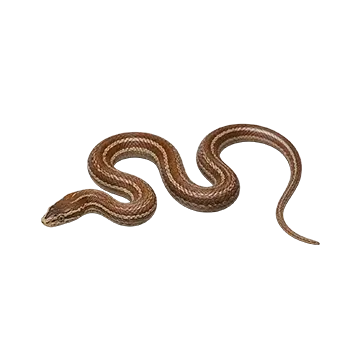

Selecting the right enclosure for a Cape House Snake begins with understanding the species' natural behavior and spatial needs. Boaedon capensis is a terrestrial, semi-fossorial snake that spends most of its time on the ground or burrowed beneath surface cover. It does not require the vertical space that arboreal species demand, and its modest adult size of two to three and a half feet means it thrives in enclosures that would be inadequate for larger colubrids. The minimum recommended enclosure for an adult Cape House Snake is a tank or tub with a footprint of at least thirty-six inches long by eighteen inches deep, with a height of twelve to eighteen inches.
Glass terrariums with front-opening doors are a popular choice among keepers who prioritize visibility and aesthetic presentation. Front-opening designs reduce the stress associated with reaching into the enclosure from above, which can trigger a defensive response in even the calmest snakes because overhead movement mimics the approach of an avian predator. Terrariums from major reptile brands typically come with screen tops that allow ventilation while accepting clip-on or dome-style heat lamps. The transparency of glass also makes it easy to observe the snake's behavior without disturbing the enclosure.
Plastic tub systems offer a practical alternative, particularly for keepers maintaining multiple animals or prioritizing humidity retention over display value. A twenty-to-forty-quart opaque plastic tub with ventilation holes drilled or melted into the sides and lid provides a secure, low-cost housing solution that holds heat and humidity more effectively than a screen-topped glass tank. Tub systems are easier to clean, stack efficiently on rack systems, and provide the snug, enclosed feeling that many Cape House Snakes seem to prefer. The trade-off is reduced visibility and a less polished appearance in a living space.
Hatchlings and small juveniles should be started in smaller enclosures — a five-to-ten-gallon tank or a six-to-fifteen-quart tub — and moved into larger housing as they grow. Placing a very small snake in a very large enclosure can cause stress, feeding reluctance, and difficulty locating the animal for health checks. Gradual enclosure upgrades, timed to the snake's growth, allow the animal to acclimate to its expanding territory in manageable increments. By the time the snake is twelve to fifteen months old and approaching adult size, it should be in its permanent adult enclosure.