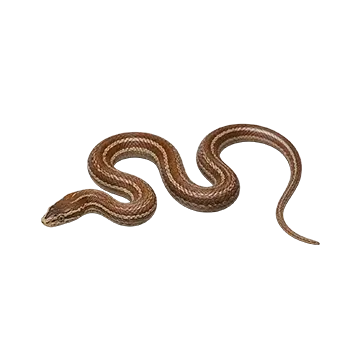

The Cape House Snake is a small, slender colubrid native to southern Africa, and its dietary requirements are modest compared to the large constrictors that dominate much of the reptile-keeping conversation. In the wild, Boaedon capensis is a nocturnal hunter that preys primarily on small rodents, lizards, and occasionally nestling birds. Its metabolism is efficient and well-suited to a diet of whole prey offered at regular intervals, making nutritional management straightforward for keepers who understand the fundamentals of snake feeding.
Whole-prey feeding is the foundation of sound nutrition for the Cape House Snake. A single appropriately sized mouse delivers complete protein, fat, calcium from the skeleton, organ-derived micronutrients, and the roughage provided by fur. This self-contained nutritional package eliminates the guesswork that plagues keepers of species with more complex dietary requirements. The key is consistency: a Cape House Snake that receives properly sized, high-quality whole prey on a predictable schedule will maintain excellent body condition with minimal intervention.
Caloric balance matters even for a small snake. Cape House Snakes are active nocturnal foragers that burn energy exploring their enclosures, and their relatively fast metabolism compared to heavy-bodied species like ball pythons means they process meals more quickly and are ready to feed again sooner. However, the flip side of this accessible appetite is that overfeeding is easy. An overfed Cape House Snake develops visible fat deposits along the spine and sides, and chronic obesity leads to hepatic lipidosis and reduced lifespan. A healthy specimen should have a gently rounded cross-section without prominent fat pads.
Hydration complements solid nutrition and is sometimes overlooked in the care of small colubrids. Cape House Snakes in the wild occupy a range of habitats from coastal scrub to semi-arid savanna, and while they are tolerant of moderate dryness, they rely on regular access to fresh water for digestion and metabolic function. A clean water bowl, refreshed every one to two days and positioned away from the warm end of the enclosure to slow bacterial growth, supports digestive efficiency and healthy shedding cycles.