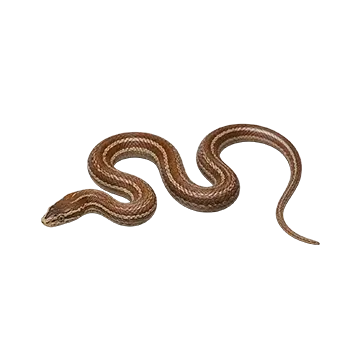

The water bowl is the single most used accessory in a Cape House Snake enclosure and deserves more consideration than it typically receives. A clean, stable, appropriately sized water source supports hydration, aids in digestion, contributes to ambient humidity, and provides a soaking option during shedding cycles. The ideal water bowl for Boaedon capensis is heavy enough that the snake cannot tip it over, shallow enough that the snake can drink comfortably without submerging its head, and wide enough that the snake can coil inside if it chooses to soak.
Ceramic and stoneware bowls are the preferred materials for most Cape House Snake keepers. Their weight provides inherent stability, they resist tipping even when an active snake pushes against them, and their non-porous surfaces are easy to sanitize during routine cleaning. A medium-sized ceramic crock — three to four inches in diameter for an adult Cape House Snake — provides adequate water volume without occupying excessive floor space. Glazed ceramic is preferable to unglazed, as the smooth surface resists biofilm formation and is easier to scrub clean.
Plastic water bowls are lighter and cheaper but come with compromises. Lightweight bowls tip easily when the snake climbs over them, creating wet substrate that can promote bacterial growth and scale rot. If a plastic bowl is used, selecting one with a wide, flat base and low center of gravity minimizes this risk. Some reptile-specific plastic bowls incorporate a weighted base or a lip design that reduces spillage. Despite these features, most experienced keepers graduate to ceramic after their first few substrate-soaking incidents and find the upgrade well worth the modest additional cost.
Water quality matters and is often taken for granted. Municipal tap water treated with chlorine and chloramine is generally safe for Cape House Snakes, as these chemicals dissipate quickly at the concentrations present in drinking water. However, water that sits in the bowl for more than forty-eight hours at warm enclosure temperatures becomes a breeding ground for bacteria regardless of its initial quality. Replacing the water every one to two days and scrubbing the bowl with hot water to remove biofilm at each change maintains water quality at an acceptable standard. Keepers who use well water or are uncertain about their water quality can use a reptile-safe water conditioner as a precautionary measure.