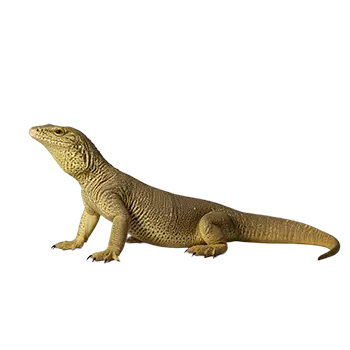

Argus Monitors (Varanus panoptes) are large, powerfully built varanids native to the savannas, woodlands, and coastal floodplains of northern Australia and southern New Guinea. In the wild they are opportunistic predators with an extraordinarily broad diet that includes insects, crustaceans, small mammals, birds, eggs, fish, carrion, and other reptiles. This dietary breadth reflects a metabolism that runs hotter and faster than most comparably sized lizards, and reproducing that metabolic demand in captivity requires deliberate planning rather than simply tossing crickets into an enclosure.
The caloric throughput of an adult Argus Monitor is substantial. Males routinely exceed four feet in total length and carry dense, muscular builds that require consistent protein and fat intake to maintain. Unlike smaller monitors that can subsist primarily on insects, adult Argus Monitors need regular access to whole vertebrate prey to meet their energy and mineral requirements. The skeletal calcium delivered by whole prey items such as rodents, chicks, and quail is difficult to replicate through supplementation alone, making these foods a structural pillar of the captive diet rather than an occasional indulgence.
Calcium-to-phosphorus balance remains the central nutritional concern for all captive varanids, and the Argus Monitor is no exception. Feeder insects are inherently phosphorus-heavy, and without correction through gut-loading, dusting, and the inclusion of bone-bearing whole prey, metabolic bone disease will develop over months or years. The target ratio across the overall diet is approximately 2:1 calcium to phosphorus, achieved through the cumulative pattern of feedings rather than any single meal.
Hydration is another critical and often underestimated component of nutrition for this species. Argus Monitors in the wild frequently forage near water and consume prey with high moisture content. In captivity, the combination of high basking temperatures and enclosed airflow can produce chronic low-grade dehydration that suppresses appetite and impairs digestion. A large, stable water source, regular misting, and the moisture inherent in fresh whole prey all contribute to keeping the animal properly hydrated.