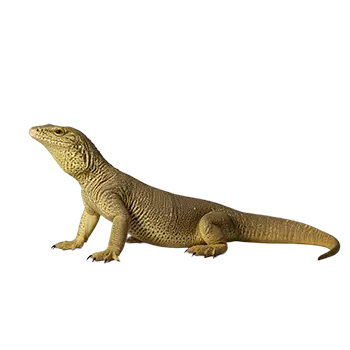

Essential Accessories Overview

Keeping an Argus Monitor (Varanus panoptes) requires a collection of purpose-built accessories that extends well beyond the enclosure itself. This is a large, powerful, intelligent reptile that demands tools scaled to its size and temperament, and attempting to repurpose equipment designed for smaller species consistently leads to breakage, safety hazards, and frustration for both keeper and animal. Investing in the correct accessories from the outset prevents the cycle of cheap purchases and replacements that ultimately costs more than buying appropriate gear the first time.

The accessories ecosystem for an Argus Monitor falls into several functional categories: feeding and watering equipment, substrate maintenance and cleaning tools, hides and structural furnishings, handling and restraint gear, transport containers, and sanitation supplies. Each category contains items that are functionally critical to daily or weekly care routines, and the absence of any one of them creates a gap that compromises either the animal's welfare or the keeper's ability to manage the enclosure efficiently.

Quality and durability are more important selection criteria than price for virtually every accessory in the Argus Monitor keeper's inventory. This species delivers sustained physical force to everything in its environment. Water bowls are flipped. Hides are shoved across the enclosure. Feeding tongs are bitten and twisted. Equipment that is merely adequate for a leopard gecko or a corn snake will not survive a week with an Argus Monitor. Seeking out heavy-duty, commercial-grade, or purpose-built monitor accessories saves money over the lifespan of the animal and prevents equipment failures that can result in injury or escape.

Organization of supplies is an often-overlooked aspect of practical monitor husbandry. Keeping feeding tools, cleaning supplies, handling gear, and spare parts organized and accessible streamlines daily care routines and reduces the time the enclosure needs to be open during maintenance. A dedicated storage area near the enclosure stocked with the items outlined in this guide ensures that every task can be completed efficiently and that nothing is improvised in the moment when a proper tool would be safer and more effective.

Feeding and Watering Equipment

Feeding tongs are the most frequently used accessory in Argus Monitor care and among the most important to select carefully. Tongs serve as the interface between the keeper's hand and the monitor's strike zone, and they must be long enough to maintain a safe distance during feeding while sturdy enough to withstand the impact of a powerful varanid bite. Stainless steel tongs in the eighteen- to twenty-four-inch range with rubber-coated tips provide the ideal combination of reach, durability, and grip on prey items. Shorter tongs invite accidental bites, while flimsy bamboo tongs snap under pressure and create a choking hazard if the broken piece is swallowed.

Water dishes for Argus Monitors must be large, heavy, and virtually indestructible. A full-grown Argus will climb into its water container, push against the walls while soaking, and frequently tip or shove lightweight vessels across the enclosure. Heavy glazed ceramic crocks, commercial livestock waterers, or custom-built containers anchored to the enclosure floor are the only reliable options. The interior surface should be smooth and easy to scrub, as rough or porous materials harbor bacteria that contaminate the water between changes. Having a second identical water vessel allows one to soak in disinfectant while the other is in service, streamlining the daily water change.

Feeder insect containment dishes prevent crickets, roaches, and other live feeders from burrowing into the substrate before the monitor can locate them. Smooth-walled ceramic or glass dishes placed on the enclosure floor corral the insects in a visible, accessible location. This is particularly useful for juvenile Argus Monitors transitioning between insect-based and whole-prey diets, ensuring that feeder insects are consumed rather than establishing a colony in the substrate that the keeper cannot monitor or control.

Prey preparation tools including a designated cutting board, sharp scissors for portioning large prey items, and a separate set of containers for thawing frozen rodents and chicks round out the feeding toolkit. These items must be used exclusively for reptile feeding and stored separately from household kitchen equipment. Cross-contamination between reptile prey preparation surfaces and human food preparation areas is a genuine salmonella risk that responsible husbandry protocols eliminate through strict physical separation.

Hides and Shelters

Despite the Argus Monitor's active, bold demeanor during its waking hours, access to secure hiding spaces is essential for psychological wellbeing. A monitor that cannot retreat from visual exposure when it chooses to rest or feel threatened remains in a state of chronic low-grade alertness that manifests as defensive aggression, stress-related appetite suppression, and reduced overall health. Even the most docile, well-socialized Argus Monitor benefits from knowing that a secure refuge is available at all times.

Ground-level hides should be large enough for the monitor to enter completely and turn around inside, with an opening sized to admit the animal without requiring it to squeeze or contort. Cork bark tubes and half-logs in commercial sizes suitable for large reptiles work well, as do custom-built wooden or PVC hide boxes. The structure must be heavy enough or anchored securely enough that the monitor cannot flip or drag it across the enclosure during the vigorous rearrangement sessions that characterize this species. A displaced hide that pins the animal or blocks its burrow entrance creates a dangerous situation.

Elevated shelves and platforms that provide partial overhead concealment serve as secondary hides for animals that prefer to rest off the ground. A broad shelf mounted at mid-height along the back wall, deep enough for the monitor to lie fully beneath it with visual screening from enclosure-front viewing, satisfies the hiding instinct while offering a different thermal microclimate than ground-level hides. These elevated retreats are especially valued by juvenile Argus Monitors, which are more arboreal than adults and instinctively seek elevated cover.

The number and distribution of hides should ensure that the monitor has access to a secure retreat in each thermal zone of the enclosure. At minimum, one hide in the warm zone and one in the cool zone allows the animal to thermoregulate without sacrificing its sense of security. A monitor forced to choose between thermal comfort and shelter availability is in a compromised situation that no single hide can resolve. Additional hides along the thermal gradient give the animal finer control over its resting conditions and reduce the frequency of stressed, restless shelter-seeking behavior.

Substrate Tools and Maintenance Equipment

Maintaining twelve to twenty-four inches of substrate in an enclosure the size required by an adult Argus Monitor demands tools that are scaled to the task. Standard aquarium gravel scoops and desktop dustpans are inadequate for managing the volume of material involved. A full-sized garden trowel, a sturdy hand rake, and a flat-bottomed scoop or small shovel form the basic substrate maintenance toolkit that enables efficient daily spot-cleaning and periodic full substrate replacement.

Spot-cleaning is a daily task that involves locating and removing fecal deposits, urates, and any uneaten prey items from the substrate surface and shallow depths. A long-handled scooping tool allows the keeper to reach all areas of the enclosure without climbing inside, which is impractical with a large monitor present and unnecessary with the right equipment. Some keepers find that a slotted cat litter scoop with an oversized basket works well for sifting surface waste from sandy substrate mixes, though the tool must be sturdy enough to handle the heavier, denser substrate blends used for monitor enclosures.

Full substrate replacement requires equipment for removing hundreds of pounds of material and replacing it with fresh substrate. Heavy-duty contractor trash bags, a wheelbarrow or large storage tubs for transporting spent substrate, and a clean mixing container for blending new topsoil and sand to the correct ratio are practical necessities. The process is labor-intensive and benefits from planning; having fresh substrate pre-mixed and staged near the enclosure before beginning the removal process cuts the overall time the enclosure is disrupted.

A hand-held spray bottle and a pump sprayer serve different but complementary roles in substrate moisture management. The spray bottle handles targeted misting of specific substrate zones during daily maintenance, while a pump sprayer with an adjustable nozzle is more efficient for uniformly moistening a large substrate surface after a full replacement or during dry-climate conditions. Both should be dedicated exclusively to the reptile enclosure and filled with dechlorinated water to avoid introducing chlorine or chloramine into the substrate ecosystem.

Handling and Restraint Gear

Handling an Argus Monitor safely requires equipment that respects the animal's strength, speed, and defensive capabilities. Even well-socialized individuals can deliver painful bites, deep claw scratches, and powerful tail whips when startled or restrained, and handling equipment exists to protect both the keeper and the animal during necessary interactions such as health checks, enclosure transfers, and veterinary visits.

Heavy leather gloves rated for animal handling provide a baseline layer of hand protection. Thin gardening gloves and standard work gloves do not stop the teeth or claws of a full-grown Argus Monitor and provide a false sense of security that is arguably more dangerous than bare-handed handling, because the keeper loses tactile sensitivity without gaining meaningful protection. Purpose-built raptor gloves or heavy welding gauntlets extend protection to the forearm, which is the most common target when a monitor attempts to climb or claw during handling. These should be broken in before use, as stiff new gloves impair grip and dexterity.

A snake hook or monitor hook in the eighteen- to thirty-six-inch range is invaluable for guiding the animal out of tight spaces, repositioning it within the enclosure during maintenance, and initiating contact in a non-threatening manner. Presenting the hook before the hand teaches the monitor to associate the tool with handling rather than interpreting an approaching hand as a predatory threat. Over time, many Argus Monitors learn to step onto or follow the hook cooperatively, reducing stress for both parties.

Restraint for veterinary procedures or forced examinations requires a towel or pillowcase large enough to drape over and loosely wrap the monitor, containing its limbs and tail while leaving the head accessible for examination or medication administration. Physical restraint should always be the minimum force necessary for the minimum time required. Extended forceful restraint causes physiological stress responses in varanids that can include elevated cortisol, cardiac distress, and in extreme cases, capture myopathy. Handling gear facilitates safe interaction; it does not substitute for the patient, relationship-based taming process that produces a monitor comfortable with voluntary contact.

Transport and Travel Containers

Every Argus Monitor keeper needs a secure, appropriately sized transport container ready before it is needed. Veterinary emergencies, enclosure repairs, moves, and other situations requiring temporary relocation arise without warning, and improvising a containment solution with a stressed, uncooperative large varanid is a recipe for escape, injury, or both.

For adult Argus Monitors, heavy-duty plastic storage containers with locking lids and ventilation holes drilled into the upper walls provide a practical, affordable transport solution. The container should be long enough for the monitor to lie at full length without coiling its tail and wide enough for it to turn around, but not so spacious that the animal slides and tumbles during vehicle transport. Lining the bottom with a damp towel provides traction and maintains humidity during transit. The lid must lock positively; a friction-fit lid will not contain a panicked monitor pushing upward with its full strength.

Commercial reptile shipping boxes constructed from insulated corrugated plastic or foam-lined wood are the preferred option for longer journeys or temperature-sensitive conditions. These containers maintain a more stable internal temperature than uninsulated plastic tubs, which is critical during winter transport when ambient temperatures can drop rapidly in an unheated vehicle. Heat packs designed for reptile shipping can be taped to the exterior wall of the container, separated from the animal by a barrier, to maintain warmth during cold-weather veterinary trips.

A fabric transport bag, similar to those used for large snakes, serves as a useful intermediate containment tool for brief transfers within the home, such as moving the monitor from its enclosure to a temporary holding container during cleaning. The bag confines the animal's limbs and limits visual stimulation, which has a calming effect on most varanids. The bag must be made from tightly woven, tear-resistant fabric, and the opening must be secured with a drawstring or clip that the monitor cannot push open from inside. Mesh bags are unsuitable because claws tangle in the weave and the animal can see through the material, negating the calming effect of visual restriction.

Labeling transport containers with the animal's species, the keeper's contact information, and basic emergency care instructions is a simple precaution that pays dividends if the container is ever handled by someone unfamiliar with the animal. A veterinary visit where the keeper hands off the container to clinic staff, or an emergency where a neighbor or family member must manage the animal temporarily, becomes safer when the container itself communicates what is inside and how to handle the situation.

Cleaning and Sanitation Supplies

Sanitation is a daily operational reality of Argus Monitor keeping, and having the right supplies organized and accessible transforms cleaning from a dreaded chore into a quick, systematic routine. The combination of a large, warm, humid enclosure and a carnivorous animal that defecates in its water creates an environment where pathogenic bacteria thrive unless actively suppressed through consistent cleaning protocols.

A reptile-safe veterinary-grade disinfectant is the cornerstone of the sanitation toolkit. Chlorhexidine solution at the appropriate dilution is widely used in herpetological practice and is effective against the gram-negative bacteria most commonly associated with reptile-transmitted illness. The disinfectant must be applied to pre-cleaned surfaces; organic matter like fecal residue inactivates most disinfectants on contact, so the cleaning sequence is always physical removal first, followed by disinfectant application, followed by thorough rinsing. Quaternary ammonium compounds and properly diluted F10 veterinary disinfectant are alternative products that perform well in this application.

Dedicated cleaning tools that never leave the reptile care area prevent cross-contamination with household surfaces. A designated set of scrub brushes, sponges, spray bottles, and drying towels used exclusively for enclosure maintenance eliminates the risk of transferring reptile-associated pathogens to kitchen counters, bathrooms, or other living spaces. Color-coding reptile cleaning tools, using a distinct color that appears nowhere else in the household, is a practical habit that prevents accidental mix-ups.

Personal protective equipment for the keeper is a frequently neglected component of cleaning protocols. Disposable nitrile gloves should be worn during every enclosure cleaning session, substrate change, and water bowl scrubbing. Salmonella and other zoonotic organisms present in reptile feces can enter the body through intact skin microabrasions that the keeper is unaware of, and gloves provide a reliable barrier. Thorough handwashing with antibacterial soap after glove removal completes the hygiene protocol. Immunocompromised household members, young children, and pregnant individuals should avoid handling enclosure cleaning duties entirely, and the keeper should minimize physical contact with these individuals until hands have been properly washed after any reptile-related maintenance task.

Always consult a qualified professional before making any health-related decisions. This content is provided for informational reference only and should not replace professional guidance specific to your animal.