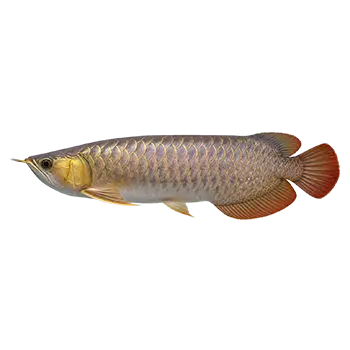

Arowanas are obligate predators with a metabolism built for protein-rich, whole-prey meals. In the wild they feed on insects, smaller fish, crustaceans, and even small amphibians that venture near the water's surface. Replicating that carnivorous profile in captivity is essential for sustained growth, proper skeletal development, and the intense coloration that makes these fish so prized.
Protein should make up the largest share of an Arowana's diet, generally in the range of 40 to 50 percent of total intake by dry weight. Fat content matters too — moderate levels support energy reserves and organ function, but excessive fat can lead to fatty liver disease, one of the most common nutritional disorders in captive Arowanas. Balancing protein and fat is far more important than simply maximizing either one.
Vitamins and minerals round out the nutritional picture. Calcium and phosphorus support bone density and scale integrity, while vitamins A and D contribute to immune function and pigment development. Because Arowanas are large, long-lived fish, even minor deficiencies can compound over years into serious health problems. A varied diet is the single best hedge against nutritional gaps.
Juvenile Arowanas have different caloric demands than adults. Young fish are growing rapidly and benefit from more frequent feedings with a slightly higher protein ratio. As the fish matures and growth slows, portion sizes and feeding frequency should be adjusted downward to prevent obesity without sacrificing nutritional completeness.