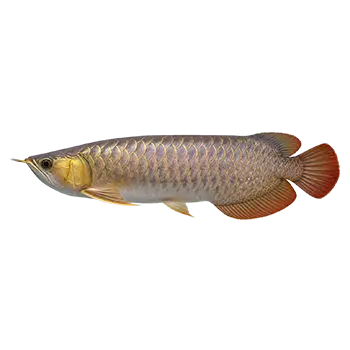

Filtration is the single most important accessory category for any Arowana setup. The bioload produced by a large carnivorous fish demands robust mechanical, biological, and chemical filtration working in concert. For tanks in the 250- to 400-gallon range, a sump-based system is generally the best investment. Sumps offer high media capacity, easy access for maintenance, and the ability to house ancillary equipment like heaters and reactors out of the main display.
Canister filters serve well as supplemental filtration or as the primary system for keepers who cannot accommodate a sump. Look for models rated for at least twice your tank volume, with multiple media baskets that allow you to layer mechanical filtration pads, biological media, and chemical media like activated carbon in a logical flow sequence. Ease of priming and self-starting capability are practical features that save time during routine maintenance.
Filter media selection determines how effectively your system processes waste. Mechanical media — sponges, filter floss, and micron pads — captures particulate matter. Biological media — ceramic rings, sintered glass, and bio-balls — provides surface area for nitrifying bacteria. Chemical media — activated carbon, zeolite, and specialty resins — addresses dissolved organics, odors, and specific contaminants. A well-designed media stack addresses all three filtration stages in sequence.
Maintenance schedules for filtration equipment should be regular but not overly aggressive. Rinsing mechanical media in old tank water every two weeks prevents clogging without destroying beneficial bacteria. Biological media should be replaced in partial batches — never all at once — to preserve the bacterial colonies that drive your nitrogen cycle. Chemical media follows manufacturer guidelines, typically requiring replacement every four to six weeks depending on bioload.