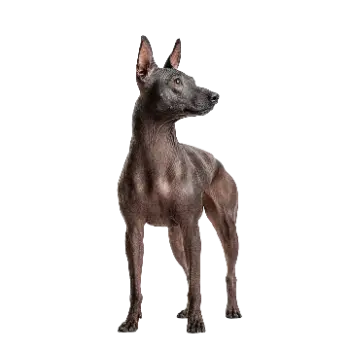

Play Style & Drive

The Xoloitzcuintli is an intelligent, moderately active breed with a play style that leans more toward thoughtful engagement than relentless physical exertion. Unlike high-drive working breeds that require constant stimulation to prevent destructive behavior, the Xoloitzcuintli tends to enjoy focused play sessions interspersed with extended periods of calm rest. Understanding this rhythm is key to selecting toys and enrichment activities that genuinely satisfy the dog rather than overwhelm or bore it.

This breed possesses a moderate prey drive, which means toys that mimic the movement of small animals can trigger enthusiastic chase behavior. Toys that bounce unpredictably, roll erratically, or can be tossed for short retrieval games align well with this instinct. However, the Xoloitzcuintli is not typically obsessive about fetch or sustained retrieving the way some sporting breeds are. Play sessions tend to be self-limiting, with the dog engaging intensely for a period and then choosing to stop on its own.

Mental stimulation is at least as important as physical activity for this breed. The Xoloitzcuintli is observant and problem-solving by nature, traits that reflect its ancient lineage as a companion and watchdog. Toys and activities that challenge the dog to think, investigate, and work through a sequence of steps tend to produce deeper satisfaction than simple physical toys. A well-enriched Xoloitzcuintli is a calm, contented household companion.

Social play with trusted humans is a significant motivator for this breed. The Xoloitzcuintli bonds deeply with its family and often prefers interactive play over solitary entertainment. Tug games, gentle wrestling, and cooperative puzzle-solving strengthen the bond while providing both mental and physical exercise. Selecting toys that facilitate interaction between dog and owner yields better results than relying solely on solo-play options.

Interactive & Puzzle Toys

Puzzle toys are among the most rewarding enrichment options for the Xoloitzcuintli, leveraging the breed's natural intelligence and problem-solving inclination. Treat-dispensing puzzles that require the dog to slide panels, lift covers, or rotate compartments to access hidden rewards provide sustained mental engagement. Start with beginner-level puzzles and increase difficulty as the dog masters each stage, ensuring the challenge remains motivating without becoming frustrating.

Snuffle mats and foraging toys offer a simpler form of mental enrichment that taps into the dog's scenting ability. Hiding kibble or small treats within the fabric folds encourages the dog to use its nose and paws to locate food, turning a routine meal into an engaging activity. These are particularly useful for slowing down fast eaters and providing stimulation during periods when direct interaction is not possible.

Interactive toys that respond to the dog's actions, such as those that emit sounds, move, or dispense treats when manipulated, can hold the Xoloitzcuintli's attention longer than static objects. The key is to rotate these toys regularly so they retain their novelty. A toy that sits in the same spot every day becomes background furniture, while one that appears periodically regains its appeal.

For multi-dog households, cooperative puzzle toys designed for shared play can channel the Xoloitzcuintli's social nature while providing enrichment. However, monitor interactions carefully to ensure resource guarding does not develop around high-value puzzle rewards. If competition arises, provide separate puzzles in different areas of the home.

Chew Toys & Durability

The Xoloitzcuintli is not an aggressive chewer by breed standard, but all dogs benefit from appropriate chew outlets, and the right chew toy supports dental health, stress relief, and jaw exercise. For this breed, medium-durability chew toys made from natural rubber or nylon are generally appropriate. Avoid extremely hard chew products that could fracture teeth, as well as toys soft enough to be shredded and ingested quickly.

Texture matters for a dog that may have dental variations, including the missing premolars sometimes seen in the breed. Chew toys with varied surface textures provide gentle gum massage and help clean teeth through mechanical action. Toys with ridges, nubs, or grooves that flex under pressure are more effective and safer than rigid, unyielding surfaces that concentrate force on individual teeth.

Size the chew toy appropriately for your Xoloitzcuintli's variety. Toys designed for large breeds may be too heavy or unwieldy for toy and miniature individuals, reducing their appeal and potentially posing a jaw strain risk. Conversely, chew toys that are too small for a standard Xoloitzcuintli present a choking hazard. When in doubt, select a size that the dog can comfortably hold between its front paws while chewing.

Regular inspection of chew toys is essential. Discard any toy that has developed sharp edges, loose fragments, or pieces small enough to be swallowed. The Xoloitzcuintli's tendency to chew at a moderate intensity means toys generally last longer than they would with power chewers, but wear still accumulates over time. Replacing worn toys promptly prevents accidental ingestion of degraded material.

Fetch & Outdoor Toys

Fetch and outdoor play provides the Xoloitzcuintli with exercise and sensory stimulation in a controlled, interactive format. Standard-size Xoloitzcuintlis enjoy moderate-distance retrieval games with balls, flying discs, or soft throwing toys. Lightweight options that are easy on the mouth work well for this breed, which does not have the hard-mouth grip of retrieving breeds. Avoid tennis balls for extended play, as the abrasive fuzz can wear on teeth and the size can present a lodging risk for larger individuals.

For toy and miniature Xoloitzcuintlis, scaled-down fetch toys ensure the dog can carry and retrieve comfortably. Mini balls, small rope toys, and lightweight plush toys with squeakers provide enough incentive for short retrieval sessions. These smaller varieties tire more quickly, so fetch sessions should be brief and frequent rather than prolonged.

Outdoor play must always account for the breed's skin vulnerability. Schedule fetch sessions during cooler parts of the day to avoid sunburn and overheating. Grass surfaces are gentler on bare skin than asphalt, gravel, or sand, which can cause abrasions or burns. If playing on rough terrain, consider a lightweight protective garment that shields the torso without restricting movement.

Water toys can be introduced if your Xoloitzcuintli enjoys swimming, though not all individuals take to water naturally. Floating toys that are brightly colored and easy to spot help maintain the dog's interest during water play. Always supervise water activities closely, as the Xoloitzcuintli's lean build and low body fat mean it may fatigue quickly in water. A well-fitted canine life vest provides an extra margin of safety.

Comfort & Companion Toys

The Xoloitzcuintli forms strong emotional attachments, and comfort toys can serve as a source of security during periods of separation or stress. Soft plush toys that the dog can carry, nestle against, or sleep with are popular choices. Many Xoloitzcuintlis develop a bond with a specific toy, treating it as a companion object. Selecting a durable plush toy without small detachable parts like plastic eyes or button noses reduces the risk of ingestion.

Heartbeat simulators and warming toys are particularly effective for Xoloitzcuintli puppies transitioning to a new home. These products mimic the warmth and rhythmic pulse of a littermate, easing the adjustment period and reducing nighttime crying. For adult dogs with separation anxiety, similar comfort items can provide reassurance when the owner is away, especially when combined with a familiar blanket or article of clothing that carries the owner's scent.

The breed's affinity for warmth means that comfort toys with microwaveable inserts or self-warming materials hold special appeal. A warm toy placed in the dog's bed during colder months provides both comfort and thermal regulation. Ensure that any heated element is safely enclosed and that the toy's temperature is tested before giving it to the dog to prevent skin burns on exposed areas.

Rotate comfort toys periodically to maintain hygiene, but be mindful that removing a favored toy abruptly can cause distress. If the dog has formed a strong attachment to a particular item, keep a backup available and wash the primary toy during periods when the dog is distracted or sleeping. Providing two identical comfort toys from the start can simplify this rotation.

DIY & Budget Options

Enrichment does not require expensive commercial products to be effective. Many of the most engaging activities for the Xoloitzcuintli can be created from household items at minimal cost. A muffin tin with tennis balls covering treat-filled cups creates an instant puzzle toy. Cardboard boxes with hidden treats inside encourage the dog to tear, sniff, and investigate. Old towels rolled around kibble provide a simple foraging challenge that can be assembled in seconds.

Frozen enrichment is another cost-effective option that provides extended engagement. Filling a durable rubber toy with a mixture of plain yogurt, mashed banana, and a few pieces of kibble, then freezing it overnight, creates a long-lasting treat dispenser that keeps the dog occupied and provides cooling relief during warm weather. Ice cubes with small treats frozen inside can be scattered in a shallow dish of water for a sensory scavenging experience.

Training itself is one of the most powerful enrichment tools available and costs nothing beyond time and treats. Short daily training sessions that introduce new commands, reinforce existing ones, or teach tricks provide intense mental stimulation. The Xoloitzcuintli is a willing learner that responds well to positive reinforcement, and the cognitive effort involved in processing new information is deeply tiring in a satisfying way.

Scent work games are accessible, free, and ideally suited to the Xoloitzcuintli's capabilities. Hiding treats around the house or yard and encouraging the dog to find them using its nose engages natural foraging instincts and can occupy the dog for extended periods. Start with easy hides in visible locations and gradually increase the difficulty by concealing treats behind furniture, inside containers, or at varying heights. This progression keeps the game challenging and rewarding as the dog's skills develop.

Always consult a qualified professional before making any health-related decisions. This content is provided for informational reference only and should not replace professional guidance specific to your animal.