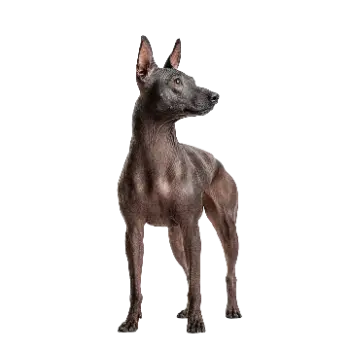

Space Requirements

The Xoloitzcuintli is an adaptable breed that can thrive in a variety of living situations, from apartments to homes with large yards, provided its exercise and companionship needs are met. Standard varieties weigh between thirty and fifty-five pounds and benefit from enough room to move freely indoors, while toy and miniature varieties require less physical space but are equally sensitive to their environment's comfort and safety. Regardless of size, this breed values proximity to its family and does not do well when isolated in remote areas of the home.

Indoor space should include a designated resting area where the dog can retreat undisturbed. The Xoloitzcuintli is a naturally calm breed indoors, tending to settle into a favorite spot and remain there for extended periods. However, this composure depends on having a space that feels secure and temperature-regulated. A corner of the living room or bedroom, away from drafts and direct sunlight, makes an ideal location for the dog's primary resting spot.

Outdoor access is beneficial but must be managed carefully for this breed. The Xoloitzcuintli's hairless skin is vulnerable to sunburn, wind chapping, and temperature extremes, so unsupervised outdoor time should be limited during peak sun hours and cold weather. A securely fenced yard allows for safe off-leash exercise, but the fence should be tall enough to deter the standard variety's occasional inclination to jump. For toy and miniature sizes, gaps in fencing and gates need to be small enough to prevent escape.

Crates & Kennels

Crate training is highly effective for the Xoloitzcuintli, which tends to view an appropriately sized crate as a den-like retreat rather than a confinement. The crate should be large enough for the dog to stand, turn around, and lie down comfortably, but not so large that it loses the enclosed, secure feeling that makes it appealing. For standard Xoloitzcuintlis, a crate rated for medium to large dogs is typically appropriate, while toy and miniature varieties need correspondingly smaller options.

Wire crates offer excellent ventilation and visibility, which suits the Xoloitzcuintli's alert, watchful nature. However, the open design can make them drafty in cooler environments. A crate cover that drapes over the top and sides provides insulation and creates a cozier atmosphere without fully blocking airflow. Plastic travel crates offer more enclosure and warmth but reduce visibility, which may increase anxiety in dogs that prefer to monitor their surroundings.

Soft-sided crates are an option for well-trained adult Xoloitzcuintlis who do not chew or scratch at barriers, but they lack the durability and security of wire or plastic alternatives. For travel purposes, crash-tested crates provide the highest level of safety in vehicles. Whatever style you choose, line the bottom with soft, washable bedding that protects the dog's exposed skin from hard surfaces and metal grate floors.

Placement of the crate matters as much as its construction. Position it in a room where the family spends time so the dog does not feel isolated, but avoid high-traffic areas where constant activity may prevent rest. The crate should never be placed near heating vents, radiators, or windows that receive direct afternoon sun, as the Xoloitzcuintli's skin is particularly susceptible to overheating and burns.

Beds & Sleeping Areas

The Xoloitzcuintli's hairless skin demands bedding that provides both cushioning and warmth without causing irritation. Orthopedic beds with memory foam or supportive fill are excellent choices, particularly for standard-size dogs whose joint health benefits from pressure distribution during rest. For toy and miniature varieties, bolster beds with raised edges offer a sense of enclosure and warmth that mimics nesting behavior common to the breed.

Fabric selection is important for a dog without the protective barrier of a full coat. Smooth, tightly woven fabrics like microfiber or jersey knit reduce friction against bare skin and are less likely to cause irritation than rough textiles. Avoid beds with exposed zippers, buttons, or decorative stitching that could scratch or press into the skin during sleep. Removable, machine-washable covers are essential for maintaining hygiene, as the Xoloitzcuintli's skin produces oils that transfer to bedding and can harbor bacteria if not cleaned regularly.

Many Xoloitzcuintli owners find that their dogs seek warmth during sleep, often burrowing under blankets or pressing against warm surfaces. Providing a lightweight fleece or thermal blanket alongside the bed allows the dog to self-regulate its temperature. Heated pet beds are another option for cooler climates, but they should include thermostatic controls and automatic shutoff features to prevent overheating or burns on sensitive skin.

Multiple sleeping options placed in different rooms can accommodate the breed's tendency to follow its family throughout the home. A primary bed in the bedroom and a secondary resting spot in the living area ensure the dog always has a comfortable surface available, reducing the likelihood of it claiming furniture as its default sleeping location.

Outdoor Enclosures

Outdoor enclosures for the Xoloitzcuintli must account for the breed's vulnerability to environmental exposure. A well-designed outdoor space includes shaded areas, wind protection, and surfaces that remain comfortable across temperature ranges. Covered patios, shade sails, or purpose-built dog runs with roofing provide protection from direct sun, which is critical for preventing sunburn on exposed skin. Grassy surfaces are preferable to concrete or stone, which can become dangerously hot in summer and uncomfortably cold in winter.

Fencing should be secure and appropriately scaled. Standard Xoloitzcuintlis are capable jumpers, so a fence height of at least five to six feet is recommended. Ensure there are no footholds, horizontal rails, or adjacent structures that could serve as launching points. For toy and miniature varieties, the primary concern is gaps at the base of the fence or between slats. Exercise pens made from connected wire panels can provide a temporary enclosed area for supervised outdoor time without requiring permanent fencing modifications.

Outdoor shelters such as insulated doghouses should be available if the dog spends any extended time outside, though the Xoloitzcuintli should never be left outdoors for prolonged periods without supervision. The shelter should be elevated slightly off the ground to prevent moisture accumulation and fitted with bedding that provides insulation. In warm climates, ventilation and cooling mats inside the shelter help prevent heat-related discomfort.

Water should always be accessible in outdoor areas. Stainless steel or ceramic bowls resist bacterial buildup better than plastic, and a shaded location prevents water from heating to uncomfortable temperatures in the sun. During warmer months, refreshing the water multiple times daily ensures it remains cool and appealing.

Climate Considerations

Climate management is arguably more important for the Xoloitzcuintli than for any other commonly kept dog breed. The absence of a protective coat means this dog is directly affected by temperature, humidity, wind, and sun exposure in ways that coated breeds simply are not. Indoor climate should be maintained within a comfortable range, generally between sixty-five and seventy-five degrees Fahrenheit, to prevent the dog from becoming too cold or overheated.

In cold climates, the Xoloitzcuintli requires indoor warmth supplemented by clothing when going outside. Fleece-lined coats, sweaters, and even pajamas are practical necessities rather than fashion accessories for this breed. The fit should be snug enough to retain warmth without restricting movement, and fabrics should be soft against bare skin. During winter months, heated beds, thermal blankets, and warm sleeping areas become essential parts of the dog's housing setup.

Hot climates present a different set of challenges. While the Xoloitzcuintli tolerates warmth better than cold, its exposed skin is highly susceptible to sunburn. Outdoor time should be limited to early morning and evening hours during summer, and shaded resting areas must be available whenever the dog is outside. Pet-safe sunscreen applied to exposed areas, particularly the nose, ears, and belly, provides additional protection during unavoidable sun exposure.

Humidity affects the breed as well. In dry environments, the skin may crack and flake without supplemental moisturizing. In humid climates, the skin's natural oil production can increase, potentially leading to clogged pores and acne. Maintaining a comfortable humidity level indoors, typically between thirty and fifty percent, supports skin health and reduces the need for intensive topical care.

Multi-Pet Households

The Xoloitzcuintli generally coexists well with other pets when properly introduced and given adequate personal space. In multi-pet households, each animal should have its own designated resting area where it can retreat without competition. This is particularly important for the Xoloitzcuintli because its bare skin is more vulnerable to scratches, nips, and rough play than that of coated breeds. A crate or bed in a quiet area provides a reliable safe zone.

Feeding stations should be separated to prevent resource guarding and ensure each pet eats its appropriate diet without interference. The Xoloitzcuintli's dietary needs, particularly regarding skin health, may differ significantly from those of other dogs or animals in the household. Feeding in separate rooms or at staggered times eliminates competition and allows you to monitor each pet's intake accurately.

When housing multiple dogs together, consider the size dynamics carefully. A standard Xoloitzcuintli can hold its own with similarly sized dogs, but toy and miniature varieties are physically delicate and can be injured during play with larger, more boisterous housemates. Supervised interaction with structured play sessions helps establish appropriate boundaries, and gates or exercise pens can create separation when direct supervision is not possible.

Cats and Xoloitzcuintlis often develop strong bonds, particularly when raised together. However, cat scratches on hairless skin can cause significant wounds that are slow to heal and prone to infection. Keeping the cat's nails trimmed and providing elevated escape routes for the cat reduces the risk of injury during interactions. For households with small animals such as rabbits or rodents, the Xoloitzcuintli's moderate prey drive should be managed through secure enclosures and supervised introductions.

Always consult a qualified professional before making any health-related decisions. This content is provided for informational reference only and should not replace professional guidance specific to your animal.