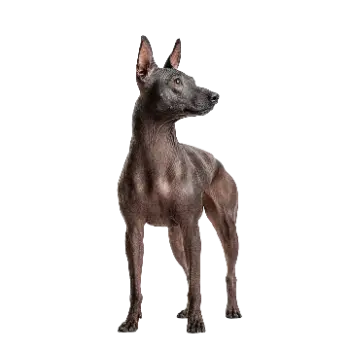

Nutritional Needs

The Xoloitzcuintli is an ancient breed with a metabolism that reflects its lean, athletic build. Whether you own a toy, miniature, or standard variety, the caloric requirements will differ significantly, but the underlying nutritional priorities remain consistent. This breed tends to maintain a naturally trim physique, and overfeeding can quickly lead to weight gain that puts stress on joints and skin health. A diet built around high-quality animal protein with moderate fat content is the ideal foundation.

Because the Xoloitzcuintli is hairless or nearly hairless, skin health is closely tied to nutrition. Essential fatty acids, particularly omega-3 and omega-6, play a critical role in maintaining the integrity of the skin barrier. Dogs that lack sufficient fatty acid intake may develop dry, flaky skin or become more prone to acne and irritation. A diet that naturally incorporates these fats through whole food ingredients rather than synthetic additives tends to produce the best results.

Protein quality matters more than quantity for this breed. Look for foods where a named animal protein appears as the first ingredient, followed by identifiable whole foods rather than vague byproduct descriptions. The Xoloitzcuintli can be sensitive to fillers and artificial additives, so clean ingredient lists are worth prioritizing. Many owners find that limited-ingredient diets work particularly well for this breed, reducing the chance of digestive upset or skin reactions.

Hydration is another factor that deserves attention. Hairless dogs can lose moisture through their exposed skin more readily than coated breeds, so ensuring adequate water intake alongside a balanced diet is important. Wet food or fresh food options can supplement hydration naturally, especially during warmer months when the Xoloitzcuintli is more susceptible to sun exposure and heat.

What to Look For

When evaluating food products for your Xoloitzcuintli, the ingredient panel is your most reliable guide. The first three to five ingredients should consist of recognizable whole foods, with a named animal protein leading the list. Avoid products that rely heavily on corn, wheat, or soy as primary ingredients, as these can contribute to skin sensitivities in breeds that are already prone to dermatological issues. Grain-free options are popular, but the decision to go grain-free should be based on your individual dog's tolerance rather than trends.

Fat content should fall in a moderate range appropriate for the dog's size variety. Toy and miniature Xoloitzcuintlis have higher metabolic rates per pound of body weight and may need calorie-dense formulas in smaller portions, while standard-size dogs benefit from measured portions that prevent excess weight. Look for foods that list their fat sources explicitly, such as chicken fat or fish oil, rather than generic terms like animal fat.

Artificial preservatives, colors, and flavoring agents have no place in a well-formulated dog food. Chemical preservatives like BHA, BHT, and ethoxyquin have raised enough concern in the veterinary community to warrant avoidance when natural alternatives exist. Foods preserved with mixed tocopherols or rosemary extract offer shelf stability without the associated risks. Similarly, artificial colors serve no nutritional purpose and are added purely for the owner's benefit.

Consider the manufacturing standards behind the product. Foods produced in facilities that follow stringent quality control protocols and conduct regular testing for contaminants provide an added layer of safety. While this information is not always prominently displayed on packaging, many manufacturers make their testing and sourcing practices available on their websites.

Recommended Dry Food

Dry kibble remains the most practical everyday feeding option for the Xoloitzcuintli, offering convenience, dental benefits through mechanical abrasion, and reliable shelf life. For this breed, look for formulas designed for the appropriate size category. Toy and miniature varieties do best with small-bite kibble that is easy to chew and digest, while standard Xoloitzcuintlis can handle regular-size pieces without difficulty.

High-protein, moderate-fat formulas with limited ingredients tend to suit this breed well. Single-source protein options, such as those built around one animal protein like turkey, salmon, or lamb, make it easier to identify and eliminate potential allergens if skin or digestive issues arise. The Xoloitzcuintli's sensitive skin means that dietary reactions can manifest visibly and quickly, so a streamlined ingredient profile simplifies troubleshooting.

Fiber content is worth monitoring as well. Adequate fiber supports healthy digestion and firm stools, but excessive fiber from low-quality sources can reduce nutrient absorption. Look for fiber from whole vegetables, legumes, or named grain sources rather than cellulose or generic plant fiber. Prebiotics and probiotics included in the formula can further support digestive health, which in turn contributes to better skin condition.

Rotational feeding, where you cycle between two or three compatible dry food formulas over time, can help prevent the development of food sensitivities and ensure a broader nutritional profile. This approach works particularly well for the Xoloitzcuintli, as it reduces prolonged exposure to any single protein or ingredient that might trigger a reaction.

Wet & Fresh Options

Wet and fresh food options offer distinct advantages for the Xoloitzcuintli, particularly in the areas of hydration and palatability. Because this breed's exposed skin loses moisture more readily than that of coated dogs, the additional water content in wet food can contribute meaningfully to overall hydration. Fresh food delivery services have also gained traction among Xoloitzcuintli owners who prefer minimally processed diets with transparent ingredient sourcing.

Wet food can serve as a complete diet or as a topper mixed into dry kibble. When used as a topper, it enhances flavor and encourages dogs with moderate appetites to finish their meals. This is especially useful for toy and miniature Xoloitzcuintlis, which sometimes eat inconsistently due to their smaller stomach capacity. Choose wet foods with simple ingredient lists and high meat content, avoiding products that pad volume with excessive gravy, gums, or thickeners.

Fresh and refrigerated food options represent the premium end of the spectrum. These products typically use whole-food ingredients that are lightly cooked and quickly sealed to preserve nutritional value. The trade-off is cost and shelf life, as fresh foods require refrigeration and are consumed within days of opening. For owners willing to invest, these products often produce noticeable improvements in coat quality for coated varieties and skin health for hairless individuals.

Homemade diets are another option, but they require careful formulation to ensure nutritional completeness. Working with a veterinary nutritionist to develop balanced recipes is essential if you choose this route. Without professional guidance, homemade meals often fall short in specific vitamins and minerals that are difficult to source from whole foods alone.

Treats & Supplements

Treats serve important roles in training, bonding, and dental health, but they should be selected with the same scrutiny as primary food. For the Xoloitzcuintli, single-ingredient treats made from dehydrated meat, fish, or organ proteins are excellent choices. They deliver high-value flavor without unnecessary fillers, and their simple composition minimizes the risk of triggering skin sensitivities.

Dental chews deserve consideration for this breed, as the Xoloitzcuintli is known to have dental peculiarities, including missing premolars in some individuals. Chews that promote mechanical cleaning of the teeth without being so hard that they risk fractures are ideal. Avoid products made with rawhide, which can pose choking and digestive hazards, and opt instead for digestible alternatives designed to break down safely in the stomach.

Supplements can fill specific nutritional gaps, particularly for skin health. Omega-3 fatty acid supplements derived from fish oil or algae are among the most commonly recommended additions for hairless breeds. These support skin elasticity, reduce inflammation, and can alleviate dryness when dietary intake alone is insufficient. Probiotic supplements are another worthwhile consideration, as they support gut health and can reduce the incidence of food-related skin flare-ups.

Calorie management is critical when incorporating treats into the diet. Treats should account for no more than ten percent of the dog's total daily caloric intake. For toy Xoloitzcuintlis weighing under ten pounds, even a few high-calorie treats per day can represent a significant portion of their energy needs. Break larger treats into smaller pieces to extend their training value without overshooting calorie targets.

Foods to Avoid

Certain foods that are safe for humans pose serious health risks to dogs, and the Xoloitzcuintli is no exception. Chocolate, grapes, raisins, onions, garlic, and xylitol are well-documented toxins that should never be accessible to your dog. Even small amounts of these substances can cause reactions ranging from gastrointestinal distress to organ failure, depending on the quantity ingested and the size of the dog.

Beyond the universally toxic foods, the Xoloitzcuintli may have breed-specific sensitivities that require attention. Some individuals react poorly to common protein sources like chicken or beef, developing skin irritation or digestive symptoms. If you notice persistent itching, redness, or gastrointestinal irregularity, an elimination diet supervised by your veterinarian can help identify the offending ingredient. Novel proteins such as venison, duck, or rabbit are often used during elimination trials.

Highly processed foods and those containing artificial additives are best avoided for this breed. The Xoloitzcuintli's skin serves as a visible barometer of internal health, and dietary irritants that might go unnoticed in a heavily coated breed often manifest clearly on hairless skin. Artificial colors, flavor enhancers, and chemical preservatives can contribute to chronic low-grade inflammation that compromises skin quality over time.

Table scraps and unstructured feeding should be minimized. While occasional small portions of plain cooked meat or vegetables are generally safe, habitual sharing of human food introduces unpredictable calorie loads and potential exposure to seasonings, oils, and ingredients that are inappropriate for dogs. Maintaining clear boundaries around feeding reduces the risk of both nutritional imbalance and behavioral issues around mealtimes.

Feeding Schedule

Establishing a consistent feeding schedule supports healthy digestion, predictable energy levels, and effective weight management for the Xoloitzcuintli. Adult dogs of the standard variety typically do well on two measured meals per day, spaced approximately twelve hours apart. This schedule aligns with the breed's moderate activity level and helps prevent the blood sugar fluctuations that can occur with once-daily feeding.

Toy and miniature Xoloitzcuintlis benefit from three smaller meals per day, particularly during the first two years of life when growth demands are highest. Their smaller stomachs process food more efficiently in reduced portions, and the additional meal helps maintain steady energy throughout the day. As these smaller varieties mature, some owners transition to two meals per day, though many continue with three meals indefinitely without issue.

Puppies of all size varieties require more frequent feeding. Young Xoloitzcuintlis under four months should eat three to four times daily, with portions adjusted as they grow. Between four and twelve months, three meals per day is appropriate for most individuals. Transitioning to an adult schedule should be gradual, reducing meal frequency over the course of several weeks while monitoring weight and energy levels.

Free-feeding, where food is left available throughout the day, is generally not recommended for this breed. While the Xoloitzcuintli is not typically prone to overeating, unstructured access to food makes it difficult to monitor intake accurately, complicates weight management, and can lead to stale or contaminated food sitting in the bowl for extended periods. Measured meals at predictable times also reinforce household routine and support training goals.

Always consult a qualified professional before making any health-related decisions. This content is provided for informational reference only and should not replace professional guidance specific to your animal.