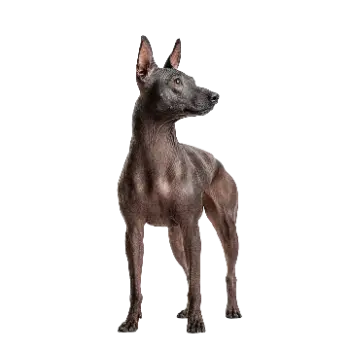

Activity & Health Monitors

Activity and health monitors designed for dogs provide valuable insight into the Xoloitzcuintli's daily movement patterns, rest quality, and overall wellness trends. These devices typically attach to the collar and use accelerometers and other sensors to track steps, active minutes, calories burned, and sleep duration. For a breed that naturally alternates between alert watchfulness and extended rest, establishing a baseline of normal activity helps identify changes that might indicate illness, discomfort, or behavioral shifts.

The Xoloitzcuintli's moderate exercise needs make activity monitoring particularly useful for preventing both under-activity and overexertion. Standard varieties require more physical output than toy and miniature sizes, and a monitor can help owners calibrate exercise routines to match the individual dog's needs. If the data shows a sudden drop in activity or a change in sleep patterns, it can prompt an earlier veterinary consultation than might otherwise occur.

When selecting a monitor for a hairless breed, consider the device's contact surface. Units that clip directly to the collar are preferable to those designed to sit against the skin under a coat, as adhesive-mounted or strap-on devices can cause irritation on exposed skin. The device should be lightweight enough that the dog does not notice it, particularly for toy varieties where even small additions to collar weight can be disproportionately burdensome.

Data accessibility through a companion smartphone app is a standard feature of modern monitors. Look for apps that present trends over time rather than just daily snapshots, as longitudinal data reveals patterns that single-day readings cannot. Some platforms allow you to share data directly with your veterinarian, which can inform wellness examinations and help track the progression of chronic conditions.

GPS & Location Tracking

GPS trackers provide real-time location data and geofencing capabilities that are particularly valuable for the Xoloitzcuintli. This breed's intelligence and curiosity can lead to escape attempts, and its distinctive appearance makes it an unfortunately attractive target for theft. A GPS tracker attached to the collar transmits the dog's location to your smartphone, allowing immediate response if the dog leaves a designated safe zone.

Geofencing features allow you to define virtual boundaries around your home, yard, or any other area. When the dog crosses these boundaries, the system sends an alert to your phone. This is especially useful for households where the Xoloitzcuintli has access to a yard with gates that might be left open by visitors, delivery personnel, or children. The speed of notification can mean the difference between a quick retrieval and a prolonged search.

Battery life varies significantly between GPS tracking products. Some require daily charging, while others last a week or more on a single charge. For the Xoloitzcuintli, a tracker with longer battery life reduces the inconvenience of removing and reattaching the device frequently. Waterproof construction is important for dogs that may be outdoors during rain, and the device should be compact enough to sit unobtrusively on the collar without adding significant bulk or weight.

Cellular-based GPS trackers offer broader coverage than Bluetooth alternatives, which are limited to short-range detection. However, cellular trackers typically require a monthly subscription fee for the data service that transmits location information. Evaluate the coverage quality in your area before committing to a specific service, as rural or poorly served regions may experience gaps in tracking accuracy. Some products combine GPS with additional sensors for temperature monitoring, which is a useful feature for a breed sensitive to environmental extremes.

Smart Feeders & Water

Smart feeders automate portion control and feeding schedules, which supports the consistent routine that benefits the Xoloitzcuintli's digestion and weight management. Programmable feeders dispense a measured amount of food at set times, ensuring the dog eats on schedule even when the owner is away or running late. For toy and miniature varieties that benefit from three smaller meals per day, a multi-dispensing feeder eliminates the need for midday feeding trips home.

Portion accuracy is a critical feature to evaluate. The best smart feeders use calibrated dispensing mechanisms that deliver consistent amounts with each cycle. For small dogs with tight caloric budgets, even minor dispensing variations can affect weight management over time. Look for feeders that allow you to set portions in precise gram or cup increments rather than vague size descriptions.

Smart water fountains encourage hydration by circulating and filtering water continuously. Flowing water appeals to many dogs more than still water in a bowl, and the filtration system removes debris, hair, and bacterial buildup that can accumulate in standing water. For the Xoloitzcuintli, adequate hydration directly supports skin health, making a reliable water source particularly important. Fountains with large reservoirs reduce the frequency of refilling, and those with filter replacement indicators ensure water quality is maintained.

Connectivity features in premium feeders and fountains allow monitoring through smartphone apps. You can track how much your dog has eaten and drunk throughout the day, receive alerts when food or water levels are low, and adjust schedules remotely. Some feeders include built-in cameras that let you watch your dog eat, which can help identify changes in appetite or eating behavior that might signal health issues. Integration with other smart home devices enables automation routines such as notifications when the feeder dispenses.

Cameras & Home Monitoring

Pet cameras allow owners to observe their Xoloitzcuintli while away from home, providing peace of mind and the ability to monitor behavior, activity levels, and general well-being. The breed's tendency to bond strongly with its family can make separation challenging, and being able to check in visually helps owners assess whether the dog is resting comfortably or displaying signs of anxiety.

Two-way audio is a standout feature in pet cameras. The Xoloitzcuintli is responsive to its owner's voice, and hearing a familiar voice through the camera speaker can provide reassurance during periods of separation. Some owners use the audio feature to redirect unwanted behaviors such as counter surfing or excessive barking, though the effectiveness depends on the individual dog's training and temperament.

Treat-dispensing cameras combine monitoring with interactive engagement. These devices allow you to launch a treat remotely through the companion app, providing positive reinforcement and a brief moment of interaction from anywhere. For a breed that values connection with its owner, these periodic treat deliveries can break up long stretches of solitude and contribute to a more positive alone-time experience.

Camera placement should provide a clear view of the areas where the dog spends the most time, typically its bed, the main living area, and any doorways it monitors. Night vision capability ensures visibility during darker hours, and motion-activated recording captures events even when you are not actively watching. Wide-angle lenses reduce the number of cameras needed to cover a room. Cloud storage or local recording options preserve footage for review, which can be helpful for identifying patterns in the dog's behavior over time.

Training Technology

Technology-assisted training tools can enhance the effectiveness of positive reinforcement methods with the Xoloitzcuintli, a breed that is intelligent and responsive but can also be independent and sensitive. Remote treat dispensers allow you to reward desired behavior at the exact moment it occurs, even from another room. This precision in timing, which is critical for effective learning, is difficult to achieve with manual treat delivery when the owner is not within arm's reach.

Clicker training apps on smartphones provide a consistent marker sound without the need to carry a physical clicker. The consistency of the digital click sound, combined with the phone's constant availability, makes it easy to capture and mark good behavior spontaneously throughout the day. For the Xoloitzcuintli, which learns best through short, frequent sessions rather than lengthy drills, having the clicker always accessible encourages a natural training rhythm integrated into daily life.

Interactive training platforms that guide owners through structured lesson plans can be particularly helpful for first-time Xoloitzcuintli owners unfamiliar with the breed's specific temperament. These platforms often include video demonstrations, progress tracking, and troubleshooting advice for common challenges. The Xoloitzcuintli's sensitivity to harsh corrections means that training guidance should emphasize positive methods, and reputable platforms reflect this approach.

Avoid electronic correction devices such as shock collars, prong collars, or ultrasonic deterrents for this breed. The Xoloitzcuintli's exposed skin amplifies the discomfort of any contact-based correction device, and the breed's sensitive temperament means that aversive methods are more likely to produce fear and avoidance than reliable learning. Positive reinforcement through treats, praise, and play produces faster, more durable results with far less risk of damaging the bond between dog and owner.

Veterinary Telehealth

Veterinary telehealth platforms connect pet owners with licensed veterinarians through video consultations, chat, and phone calls, providing convenient access to professional guidance without the stress and logistics of an in-person visit. For Xoloitzcuintli owners, telehealth is particularly useful for addressing the skin-related questions that arise frequently with hairless breeds. Minor concerns such as new blemishes, dry patches, or mild irritation can often be assessed remotely, saving a trip to the clinic for issues that may not require hands-on examination.

Many telehealth platforms offer triage services that help owners determine whether a situation requires emergency care, a scheduled appointment, or home management. This is valuable for the Xoloitzcuintli because the breed's visible skin means that owners often notice minor changes that would be hidden by fur in other breeds. Having professional guidance on which changes warrant concern and which are normal variations reduces unnecessary veterinary visits and associated anxiety for both dog and owner.

Some telehealth services specialize in dermatology, behavioral consultations, or nutritional counseling, all of which are relevant to Xoloitzcuintli care. Dermatology-focused consultations can guide skin care routines, recommend products for acne management, and help differentiate between cosmetic blemishes and conditions requiring treatment. Behavioral consultations are useful for addressing separation anxiety, socialization challenges, or training plateaus that benefit from professional perspective.

When selecting a telehealth provider, verify that consultations are conducted by licensed veterinarians rather than unlicensed pet advisors. Look for platforms that maintain records of previous consultations, allowing continuity of care across multiple sessions. Some services integrate with your primary veterinarian's practice, enabling telehealth consultations to be added to the dog's medical record and informing future in-person visits. While telehealth cannot replace hands-on veterinary care for emergencies, surgeries, or complex diagnostics, it fills a practical role in routine health management and early symptom assessment.

Always consult a qualified professional before making any health-related decisions. This content is provided for informational reference only and should not replace professional guidance specific to your animal.