
Nutritional Needs

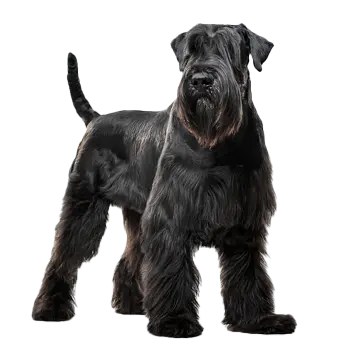
The Giant Schnauzer is a large, muscular working breed that requires a diet carefully calibrated to sustain its substantial frame and high activity level. Adults typically weigh between 55 and 85 pounds and possess a dense, wiry coat that demands adequate protein and fat intake. Their metabolism runs hotter than many breeds of comparable size because they were originally bred for demanding physical labor, including cattle driving and guarding.

Protein should form the foundation of the Giant Schnauzer's diet, with most nutritionists recommending that it account for at least 25 to 30 percent of daily caloric intake. Animal-based protein sources are preferable because they provide the full spectrum of essential amino acids needed to maintain lean muscle mass. Fat content should sit in the range of 12 to 18 percent for adult dogs, slightly higher for dogs with heavy exercise routines or those living in cold climates.

Caloric requirements vary significantly depending on age, activity level, and whether the dog has been spayed or neutered. A moderately active adult Giant Schnauzer generally needs between 1,600 and 2,400 calories per day, while working or competition dogs may require considerably more. Overfeeding is a persistent risk with this breed because owners sometimes misjudge how much food such a large dog truly needs, and excess weight places dangerous stress on joints and the cardiovascular system.

Giant Schnauzers are also predisposed to certain digestive sensitivities, so dietary consistency matters more than variety for most individuals. Abrupt food changes can trigger gastrointestinal upset, and some dogs in this breed develop food intolerances over time. Owners should monitor stool quality, coat condition, and energy levels as reliable indicators of whether the current diet is meeting the dog's needs.

What to Look For

When evaluating food products for a Giant Schnauzer, the ingredient panel tells you far more than the marketing on the front of the bag. The first ingredient should always be a named animal protein — chicken, beef, lamb, salmon, or similar — rather than a generic term like "meat meal" or "animal by-products." Named protein sources indicate a higher quality product with traceable sourcing.

Look for foods formulated specifically for large or giant breeds. These formulations adjust the calcium-to-phosphorus ratio to support healthy bone development without encouraging the rapid growth that can lead to skeletal problems. Kibble size also matters; large-breed formulas typically feature bigger pieces that encourage chewing rather than gulping, which helps reduce the risk of bloat — a serious concern for deep-chested breeds like the Giant Schnauzer.

Avoid products with excessive filler ingredients such as corn gluten meal, soy, or wheat, which contribute calories without meaningful nutrition. Artificial colors, flavors, and chemical preservatives are also worth avoiding. Instead, look for natural preservatives like tocopherols (vitamin E) or rosemary extract. Whole grains like brown rice, oatmeal, or barley are acceptable carbohydrate sources for dogs without grain sensitivities, while legume-heavy grain-free formulas should be approached with caution given ongoing research into their potential link to heart conditions.

Finally, consider the manufacturer's transparency. Companies that publish detailed nutritional analyses, conduct feeding trials, and employ board-certified veterinary nutritionists produce more trustworthy products than those relying solely on formulation-based testing.

Recommended Dry Food

Dry kibble remains the most practical everyday food option for Giant Schnauzers due to its shelf stability, dental benefits, and cost efficiency at the volumes a large breed requires. The best dry foods for this breed deliver high protein content from identifiable animal sources while maintaining moderate fat levels and incorporating complex carbohydrates for sustained energy.

Large-breed adult formulas are the default recommendation for Giant Schnauzers over one year of age. These products are engineered with joint-supporting nutrients like glucosamine and chondroitin, which become increasingly important for a breed prone to hip dysplasia and other orthopedic issues. The kibble geometry in large-breed formulas also slows eating speed, which is a meaningful benefit for a breed susceptible to gastric dilatation-volvulus.

For Giant Schnauzer puppies, large-breed puppy formulas are essential rather than optional. Standard puppy foods promote overly rapid growth that can cause lasting skeletal damage in large breeds. Large-breed puppy formulas control caloric density and mineral ratios to encourage steady, controlled development over the breed's extended growth period, which can last 18 to 24 months.

Some owners rotate between two or three compatible dry food products to provide nutritional variety over time. If you choose this approach, transition gradually over seven to ten days each time you switch, mixing increasing proportions of the new food with the old to prevent digestive disruption.

Wet & Fresh Options

Wet food and fresh-prepared diets can serve as valuable complements to a Giant Schnauzer's primary dry food regimen. Wet food is particularly useful for dogs with lower water intake, dental issues that make chewing kibble uncomfortable, or reduced appetite due to age or illness. The higher moisture content — typically 75 to 80 percent — supports hydration and often increases palatability.

Fresh and refrigerated dog food products have gained considerable popularity and offer minimally processed nutrition with whole-food ingredients. These products typically feature short ingredient lists with recognizable components like chicken breast, sweet potato, and spinach. For Giant Schnauzers, the primary drawback is cost; feeding a 70-pound dog exclusively on fresh food is significantly more expensive than kibble-based diets.

A practical middle-ground approach is to use wet or fresh food as a topper mixed into dry kibble. This strategy improves meal appeal, adds moisture, and introduces ingredient diversity without the full cost of an all-wet diet. When using this method, reduce the kibble portion proportionally to avoid overfeeding. Most veterinary nutritionists suggest that toppers should not exceed 20 to 25 percent of total daily calories.

Home-cooked diets are another option, but they require careful formulation with the guidance of a veterinary nutritionist. Without professional input, home-prepared meals almost invariably develop nutritional gaps — particularly in trace minerals and fat-soluble vitamins — that can cause serious health problems over time.

Treats & Supplements

Treats play an important role in training and bonding with a Giant Schnauzer, but they must be managed carefully to avoid caloric excess. The standard guideline is that treats should account for no more than ten percent of daily caloric intake. Given this breed's intelligence and responsiveness to reward-based training, small, low-calorie training treats are more effective and healthier than large biscuit-style rewards.

Single-ingredient treats — dehydrated liver, freeze-dried fish, or dried sweet potato — offer clean nutrition without unnecessary additives. These are especially useful for dogs with food sensitivities because they allow owners to control exactly what the dog is consuming. Dental chews designed for large breeds can also serve double duty as both a treat and a tool for reducing tartar buildup.

Joint supplements are among the most commonly recommended additions for Giant Schnauzers. Glucosamine and chondroitin sulfate support cartilage health, while omega-3 fatty acids from fish oil reduce inflammation and promote coat quality. Dogs showing early signs of joint stiffness or those with a family history of hip or elbow dysplasia may benefit from starting supplementation before clinical signs appear.

Probiotic supplements can be beneficial for Giant Schnauzers with sensitive stomachs or those recovering from antibiotic treatment. These products support healthy gut flora and can improve stool consistency and nutrient absorption. As with any supplement, introduce one product at a time so you can accurately assess its effects before adding another.

Foods to Avoid

Certain common human foods are toxic to dogs and must be kept entirely out of a Giant Schnauzer's reach. Chocolate, grapes, raisins, onions, garlic, macadamia nuts, and xylitol (a sweetener found in sugar-free products) are all dangerous. The Giant Schnauzer's size does not provide meaningful protection against these toxins — while a larger dog may tolerate a marginally higher dose before showing symptoms, the margin of safety is far too slim to risk.

Cooked bones, particularly poultry bones, should never be given to any dog. They splinter into sharp fragments that can perforate the esophagus, stomach, or intestines. Raw bones are somewhat safer but still carry risks of tooth fractures and bacterial contamination. If you choose to offer raw bones, select large, weight-bearing bones from cattle that the dog can gnaw on without breaking apart.

High-fat foods like bacon, sausage, and fried leftovers are particularly hazardous for Giant Schnauzers because the breed has an elevated risk of pancreatitis. Even a single high-fat meal can trigger an acute episode that requires emergency veterinary care. Table scraps in general are best avoided, as they establish begging behaviors and make it difficult to track actual nutritional intake.

Some Giant Schnauzers develop sensitivities to common protein sources like chicken or beef over time. If you notice persistent itching, ear infections, or digestive irregularities, work with your veterinarian to conduct an elimination diet before assuming the issue is environmental. Food allergies and intolerances are more common in this breed than many owners realize.

Feeding Schedule

Adult Giant Schnauzers should be fed two meals per day rather than one large meal. Splitting the daily ration into morning and evening feedings reduces the volume of food in the stomach at any given time, which is an important preventive measure against bloat. This breed's deep chest and large stomach make it anatomically predisposed to gastric dilatation-volvulus, and meal management is one of the simplest ways to reduce that risk.

Puppies under six months of age typically need three meals per day to support their rapid growth and high metabolic rate. Between six and twelve months, most Giant Schnauzer puppies can transition to two meals daily. The transition from puppy to adult food should occur gradually around 18 to 24 months, when skeletal growth is largely complete — later than many smaller breeds.

Timing matters as much as frequency. Avoid feeding immediately before or after vigorous exercise, as this significantly increases bloat risk. A rest period of at least 30 to 60 minutes before and after meals is widely recommended by veterinarians familiar with large and giant breeds. Elevated food bowls were once thought to reduce bloat risk, but recent studies have produced mixed results, so consult your veterinarian before making that change.

Measure food portions precisely rather than eyeballing them. A kitchen scale or standardized measuring cup ensures consistency and makes it easier to adjust intake if the dog's weight begins trending in either direction. Weight checks every two to four weeks help catch gradual changes before they become problematic, and body condition scoring — evaluating rib visibility and waist definition — is a more reliable indicator of healthy weight than the number on the scale alone.

Always consult a qualified professional before making any health-related decisions. This content is provided for informational reference only and should not replace professional guidance specific to your animal.