
Space Requirements

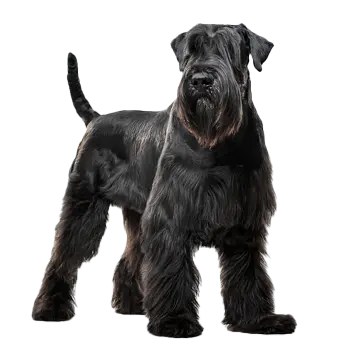
The Giant Schnauzer is a large, energetic breed that demands more living space than its weight alone might suggest. Standing 23 to 28 inches at the shoulder and often exceeding 70 pounds, these dogs need room to move freely without constantly colliding with furniture or family members. A house with a securely fenced yard is the ideal living arrangement, though well-exercised Giant Schnauzers can adapt to larger apartments if their physical and mental needs are consistently met.

Indoor space should include a designated area where the dog can rest undisturbed. Giant Schnauzers bond closely with their families and prefer to be in the same room as their people, so a corner of the living room or family room typically works better than an isolated utility area. The resting spot should be away from high-traffic zones and drafts but still within sight and earshot of household activity.

Yard space is not a substitute for structured exercise, but it provides valuable decompression time. A minimum fence height of five to six feet is recommended, as Giant Schnauzers are athletic enough to clear lower barriers when motivated. The fence should extend to ground level or include a buried footer, since some individuals will dig under a fence that leaves a gap at the base.

For owners without yard access, proximity to parks, trails, or open spaces becomes essential. Giant Schnauzers require at least 60 to 90 minutes of vigorous exercise daily, and confining them to a small space without adequate outlets leads to destructive behavior, excessive barking, and anxiety — problems that no amount of crate training or behavioral correction will solve without addressing the underlying need for movement.

Crates & Kennels

A properly sized crate serves as a valuable management and training tool for Giant Schnauzers at every life stage. The crate should be large enough for the dog to stand at full height without ducking, turn around comfortably, and lie down fully stretched. For most adult Giant Schnauzers, this means a 48-inch crate, though particularly tall individuals may require a 54-inch model.

Heavy-duty wire crates are the most practical option for this breed. Standard lightweight crates designed for smaller or less powerful dogs will not hold up to a determined Giant Schnauzer, particularly during the adolescent phase when testing boundaries is at its peak. Look for crates constructed from heavy-gauge steel with reinforced corner welds, dual-latch doors, and a slide-out tray for easy cleaning. Some manufacturers produce escape-proof models specifically rated for strong, large breeds.

Crate training should begin early and proceed gradually. The crate must always be associated with positive experiences — meals, treats, and favorite chews — never used as punishment. Most adult Giant Schnauzers should not spend more than four to six hours at a stretch in a crate, and puppies require even more frequent breaks. Dogs left crated for excessively long periods develop anxiety, muscle stiffness, and behavioral problems that undermine the purpose of crate training entirely.

Travel crates and airline-approved kennels follow different specifications. If you plan to travel with your Giant Schnauzer by air, you will need an IATA-compliant kennel sized to the dog's measurements with adequate ventilation, secure fasteners, and absorbent bedding. For car travel, crash-tested crates provide the highest level of safety, though secured barriers and harness systems offer alternatives for vehicles where a crate will not fit.

Beds & Sleeping Areas

Giant Schnauzers spend a significant portion of each day resting, and the quality of their sleeping surface has a direct impact on joint health — particularly as the dog ages. Orthopedic beds with high-density memory foam or supportive bolsters are strongly recommended for this breed. Standard pillow-style beds compress quickly under the weight of a large dog and provide minimal support for hips, elbows, and shoulders.

Bed size should accommodate the dog's full body when stretched out, with several inches to spare on each side. Most Giant Schnauzers need a bed in the large or extra-large range, typically 40 to 50 inches in length. Elevated or cot-style beds are another excellent option, especially in warmer climates, because they promote airflow beneath the dog and keep the sleeping surface cooler than floor-level alternatives.

Durability is a non-negotiable consideration. Giant Schnauzers — especially younger ones — can be rough on bedding, and flimsy covers will shred within weeks. Look for beds with chew-resistant, rip-stop fabric and removable, machine-washable covers. Waterproof liners beneath the cover protect the foam core from accidents and extend the bed's usable life.

Many owners place beds in multiple locations so the dog can rest near the family during the day and in the bedroom at night. Giant Schnauzers are emotionally attuned dogs that do not do well when isolated from their household, so sleeping arrangements that keep them nearby — whether on a bed in the bedroom or just outside the door — produce calmer, better-adjusted dogs than banishing them to a remote part of the house.

Outdoor Enclosures

Outdoor enclosures and kennel runs provide Giant Schnauzers with safe, contained access to fresh air and outdoor stimulation when direct supervision is not possible. A well-designed outdoor kennel should measure at least six feet wide by twelve feet long for a single Giant Schnauzer, with a minimum fence height of six feet. Chain-link panels with a top cover prevent climbing escapes and protect the dog from aerial predators or harsh sun.

The flooring of the enclosure matters considerably. Concrete pads are easy to clean and sanitize but are hard on joints and retain heat in summer. Pea gravel provides better drainage and cushioning but can be ingested by some dogs. Rubber matting or composite kennel flooring offers a compromise — durable, easy to hose down, and gentler on the body than concrete.

Shade and shelter are essential components of any outdoor enclosure. A weatherproof dog house or covered section of the run protects against sun, rain, and wind. The shelter should be large enough for the dog to enter and turn around comfortably but small enough to retain body heat in cold weather. Insulated dog houses with raised floors perform well in regions with significant temperature swings.

Outdoor enclosures should never serve as a substitute for household inclusion. Giant Schnauzers are deeply social dogs that deteriorate behaviorally and emotionally when relegated to outdoor-only living. The enclosure is a tool for supervised outdoor time, safe potty breaks, or short periods when the dog cannot be indoors — not a permanent living arrangement.

Climate Considerations

The Giant Schnauzer's dense, wiry double coat provides reasonable insulation against cold weather, but the breed is not immune to temperature extremes in either direction. In winter, the undercoat traps warmth effectively, allowing most Giant Schnauzers to tolerate cold conditions better than single-coated breeds. However, prolonged exposure to sub-freezing temperatures, wet conditions, or wind chill still poses risks, particularly for puppies, seniors, and dogs with health conditions.

Winter housing accommodations should include draft-free sleeping areas with insulated bedding. Dogs that spend significant time outdoors in cold climates benefit from a heated or insulated dog house with a door flap to block wind. Indoor heating can dry out the coat and skin, so maintaining reasonable humidity levels inside the home helps preserve coat quality during winter months.

Heat is the greater concern for Giant Schnauzers. Their size, dark coat color (most are black or salt-and-pepper), and high activity drive create a combination that makes overheating a genuine risk during summer months. Outdoor enclosures must provide ample shade, and fresh water should be available at all times. Exercise should be shifted to early morning or evening hours when temperatures are lower, and access to air-conditioned indoor spaces is important during heat waves.

Cooling products such as elevated mesh beds, cooling mats, and misting fans can meaningfully reduce heat stress in outdoor enclosures and indoor spaces. Some owners keep a shallow wading pool in the yard during summer, which many Giant Schnauzers will use enthusiastically. Watch for signs of heat exhaustion — excessive panting, drooling, lethargy, or disorientation — and bring the dog indoors immediately if any appear.

Multi-Pet Households

Giant Schnauzers can coexist well with other pets, but their size, prey drive, and dominant personality require thoughtful management of shared living spaces. Each dog in a multi-pet household should have its own designated resting area — crate, bed, or room — where it can retreat without competition. Resource guarding is a potential issue with Giant Schnauzers, so feeding stations should be separated and high-value items like chews and toys should be given under supervision.

When introducing a Giant Schnauzer to a home with existing pets, gradual integration is essential. Use baby gates, exercise pens, or separate rooms to allow the animals to acclimate to each other's presence before permitting direct contact. Scent swapping — exchanging bedding between animals — helps ease the transition. First introductions should occur in neutral territory whenever possible, and interactions should be kept short and positive during the initial adjustment period.

Smaller pets — cats, rabbits, or small dogs — require particular caution. Giant Schnauzers were bred with a degree of prey drive, and even a well-socialized individual may chase a small, fast-moving animal. Supervised interactions and secure separation when unsupervised are non-negotiable until a reliable pattern of calm behavior has been established over weeks or months. Some Giant Schnauzers never become fully trustworthy around very small animals, and responsible ownership means accepting that reality rather than testing it.

Housing layout in multi-pet households should account for traffic flow and escape routes. Smaller animals need pathways and hiding spots that the Giant Schnauzer cannot access, allowing them to move through the home without feeling trapped. Vertical space — cat trees, elevated perches, and gated rooms — gives smaller pets the security they need to coexist comfortably with a much larger housemate.

Always consult a qualified professional before making any health-related decisions. This content is provided for informational reference only and should not replace professional guidance specific to your animal.