
Nutritional Needs

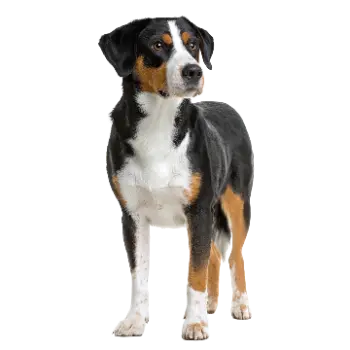
The Entlebucher Mountain Dog is a compact, muscular herding breed with a remarkably high energy output relative to its medium frame. Originally bred to drive cattle across the rugged terrain of the Swiss Alps, this dog retains a metabolism geared toward sustained physical effort. A diet built around high-quality animal protein is essential to support lean muscle maintenance, and caloric intake should reflect the dog's actual activity level rather than simply its weight category.

Because the Entlebucher is prone to joint issues, particularly hip dysplasia and patellar luxation, nutrition plays a preventive role from puppyhood onward. Adequate levels of omega-3 fatty acids, glucosamine precursors, and balanced calcium-to-phosphorus ratios help support skeletal development in younger dogs and maintain joint comfort in adults. A diet deficient in these areas may accelerate wear on joints that are already genetically predisposed to structural weakness.

This breed can be prone to weight gain if exercise is insufficient or if calorie-dense food is free-fed without portion control. Maintaining a lean body condition is one of the single most important things an owner can do to protect the Entlebucher's long-term joint and cardiovascular health. Regular body condition assessments, rather than relying solely on the number on a bag's feeding chart, should guide how much food ends up in the bowl.

Entlebuchers also have a tendency toward digestive sensitivity, and abrupt food changes can trigger gastrointestinal upset. Transitioning between diets should always be done gradually over seven to ten days, mixing increasing proportions of the new food with the old. Owners who notice persistent loose stools, excessive gas, or coat dullness should consider whether a dietary adjustment or veterinary consultation is warranted.

What to Look For

When evaluating food options for an Entlebucher Mountain Dog, the ingredient panel tells the real story. Look for a named animal protein as the first ingredient — such as chicken, beef, salmon, or lamb — rather than vague terms like "meat meal" or "animal by-products." Whole or identifiable protein sources indicate a higher-quality product that delivers amino acids in a more bioavailable form.

Fat content should come from clearly identified sources like chicken fat or fish oil rather than generic "animal fat." Fish oil is particularly beneficial for this breed because of its EPA and DHA content, which supports joint lubrication, coat quality, and cognitive function. A guaranteed analysis showing at least moderate fat levels — typically in the range of twelve to sixteen percent for an active adult — ensures sufficient energy density without excess.

Carbohydrate sources matter as well. Whole grains like brown rice, oats, and barley provide steady energy release and dietary fiber. Grain-free formulas built on legumes and potatoes are an option for dogs with confirmed grain allergies, but they should not be chosen by default without veterinary guidance, as research into potential links between certain grain-free diets and cardiac health is still evolving.

Avoid foods with long lists of artificial preservatives, synthetic dyes, or sweeteners. These additives offer no nutritional value and may contribute to digestive irritation or allergic responses over time. A shorter, more recognizable ingredient list is generally a sign of a more thoughtfully formulated product.

Recommended Dry Food

Dry kibble remains the most practical and cost-effective foundation for feeding an Entlebucher Mountain Dog. A well-formulated kibble provides balanced macronutrients, supports dental health through the mechanical action of chewing, and stores easily without refrigeration. For this breed, look for formulas designed for medium-sized, active dogs, as these tend to calibrate protein, fat, and calorie density appropriately.

Protein content in the range of twenty-five to thirty percent is a solid target for an adult Entlebucher in good health and regular exercise. Working or highly active dogs may benefit from sport or performance formulas that push protein slightly higher and increase fat content for sustained energy. Puppies should be fed a formula specifically designed for medium-breed growth, which controls calcium and calorie levels to promote steady skeletal development rather than rapid growth that can stress developing joints.

Kibble size is a minor but practical consideration. Medium-sized bites encourage proper chewing and slow down dogs that tend to gulp their food. Some owners find that slightly larger kibble pieces reduce the speed of eating, which in turn lowers the risk of bloat — a concern for any deep-chested breed, even a medium-sized one like the Entlebucher.

Rotating between two or three compatible dry food formulas every few months can help broaden the nutritional profile over time and reduce the likelihood of developing food sensitivities from prolonged exposure to a single protein source. Any rotation should still be done with a gradual transition period to protect digestive stability.

Wet & Fresh Options

Wet food can serve as a valuable supplement to a kibble-based diet for the Entlebucher Mountain Dog, adding moisture, palatability, and variety. Dogs that are reluctant drinkers or live in warmer climates benefit from the additional hydration that canned or fresh food provides. Mixing a spoonful of wet food into kibble can also encourage eating in dogs that have become disinterested in their regular dry diet.

Fresh and refrigerated dog food options have expanded considerably in recent years. These products typically feature minimally processed whole ingredients and shorter ingredient lists, which can appeal to owners seeking a more transparent feeding approach. However, they tend to come at a significantly higher price point per serving, so many Entlebucher owners use them as toppers or rotational additions rather than as the sole diet.

When selecting wet food, apply the same quality criteria as with kibble: named protein sources, identifiable fats, and minimal artificial additives. Pay attention to the guaranteed analysis on wet food labels, keeping in mind that moisture content — often seventy-five to eighty percent — dramatically reduces the apparent protein and fat percentages compared to dry food. Comparing on a dry-matter basis gives a more accurate picture of the actual nutrient density.

Homemade and raw diets are options some owners explore, but they require careful formulation to avoid nutritional imbalances. If an owner is interested in preparing food at home, consulting with a veterinary nutritionist to design a complete and balanced recipe is strongly recommended before making the switch.

Treats & Supplements

Treats are a valuable training tool for the Entlebucher Mountain Dog, a breed that responds well to positive reinforcement and thrives on mental engagement. However, treats should be factored into the daily caloric budget to prevent gradual weight creep. A common guideline is to keep treats at or below ten percent of total daily calories, adjusting meal portions accordingly on heavy training days.

Single-ingredient treats — such as freeze-dried liver, dehydrated sweet potato, or dried fish skins — offer high-value rewards without unnecessary fillers or preservatives. These options tend to be more palatable to dogs than heavily processed biscuit-style treats, and they provide a cleaner nutritional profile. For everyday low-calorie reinforcement, small pieces of carrot, blueberry, or apple also work well.

Joint supplements are worth considering for the Entlebucher given the breed's predisposition to hip and knee issues. Glucosamine and chondroitin sulfate are the most commonly recommended compounds, and many owners begin supplementation in early adulthood as a preventive measure. Fish oil supplements providing EPA and DHA can complement joint support while also promoting a healthy coat and reducing inflammatory responses.

Probiotics and digestive enzyme supplements may benefit Entlebuchers with sensitive stomachs. These products support a healthy gut microbiome and can improve nutrient absorption, reduce gas, and firm up stools. As with any supplement, it is best to introduce one product at a time so that any positive or negative effects can be clearly attributed.

Foods to Avoid

Several common human foods are toxic or dangerous to dogs and should never be offered to an Entlebucher Mountain Dog. Chocolate, grapes, raisins, onions, garlic, xylitol (a sugar substitute found in many sugar-free products), and macadamia nuts are among the most well-known hazards. Even small amounts of some of these substances can cause serious organ damage or toxicity, and the effects may not become apparent until hours after ingestion.

Cooked bones, particularly poultry bones, pose a significant choking and splintering risk and should be avoided entirely. Raw bones are sometimes offered under supervision as recreational chews, but they carry their own risks including tooth fractures and bacterial contamination. If bones are part of the enrichment plan, large raw marrow bones given under direct supervision and discarded after a single session are the safest approach.

Fatty table scraps and rich foods can trigger pancreatitis, an inflammation of the pancreas that can range from mild discomfort to a life-threatening emergency. The Entlebucher's compact build means even moderate weight gain puts proportionally more stress on the joints and cardiovascular system, so high-fat scraps offer no benefit and carry real risk.

Corn cobs, fruit pits, and large seeds are mechanical hazards that can cause intestinal obstruction if swallowed. Owners should also be cautious with dairy products, as many adult dogs are lactose intolerant to varying degrees. Small amounts of plain yogurt or cottage cheese are generally tolerated, but large servings of milk or cheese can cause digestive distress.

Feeding Schedule

Adult Entlebucher Mountain Dogs do well on two meals per day, spaced roughly twelve hours apart. This schedule supports stable blood sugar levels, provides consistent energy for an active breed, and reduces the volume of food in the stomach at any given time — a practical consideration for lowering bloat risk. Free-feeding, where food is left out continuously, is not recommended for this breed due to its tendency to overeat when given unrestricted access.

Puppies under six months of age should be fed three times daily to support their rapid growth and high metabolic demands. Between six and twelve months, the schedule can transition to twice daily. Portion sizes during the growth phase should be guided by the puppy's body condition and growth rate rather than strictly following the manufacturer's chart, which may overestimate needs for a breed that should grow steadily rather than rapidly.

Timing meals around exercise is important for any medium-to-large breed. Feeding should occur at least one hour before vigorous activity, or ideally after the dog has had time to cool down and rest following exercise. This practice reduces the risk of gastric discomfort and bloat, and it allows the dog to digest food more efficiently when the body is in a resting state.

Senior Entlebuchers may benefit from a slight reduction in total daily calories as their activity level naturally decreases, but protein levels should remain adequate to prevent muscle wasting. Some older dogs do better with slightly smaller, more frequent meals if they develop digestive sluggishness. Regular weigh-ins and body condition checks every few weeks help owners make timely adjustments to portion sizes as the dog ages.

Always consult a qualified professional before making any health-related decisions. This content is provided for informational reference only and should not replace professional guidance specific to your animal.