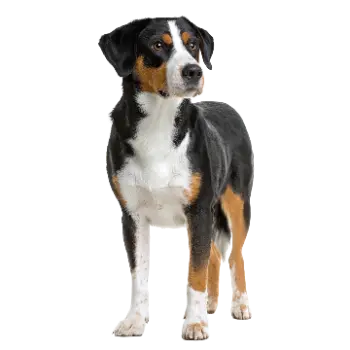

Activity & Health Monitors

Activity monitors designed for dogs have matured considerably and now offer genuine value for Entlebucher Mountain Dog owners who want objective data on their dog's daily movement, rest patterns, and overall wellness trends. These devices typically attach to the collar and use accelerometers and other sensors to track steps, distance, active minutes, and sleep quality, presenting the data through a companion smartphone app.

For the Entlebucher, an activity monitor provides a baseline understanding of what constitutes a normal day. This baseline becomes especially useful when detecting subtle changes that might indicate the early stages of illness, injury, or pain. A dog that suddenly drops from ninety active minutes per day to fifty, or one that begins restless nighttime movement after months of consistent sleep, is signaling something that might not be visible to even an attentive owner.

Some advanced monitors include temperature sensors, heart rate tracking, and respiratory rate monitoring. These metrics can alert owners to fever, cardiac irregularities, or respiratory distress before obvious clinical signs appear. For a breed that can be stoic about discomfort, this early-warning capability is particularly valuable. The data also provides a useful reference point for veterinary consultations, giving the vet objective trends rather than subjective observations.

When choosing an activity monitor, consider battery life, water resistance, and the quality of the companion app. The Entlebucher is an active, outdoor-oriented breed, and a monitor that cannot survive rain, mud, and vigorous play will need frequent replacement. Devices with rechargeable batteries and weekly-or-longer charge cycles are more practical than those requiring battery swaps every few days. The app should present data clearly, allow historical comparison, and ideally offer veterinary sharing features.

GPS & Location Tracking

GPS tracking devices address one of the most practical concerns for Entlebucher Mountain Dog owners: knowing where the dog is at all times. The Entlebucher is an intelligent, athletic breed with a strong prey drive and herding instinct, and even well-trained individuals can bolt after a squirrel, slip through a gate left ajar, or find a creative exit from a yard. A GPS tracker attached to the collar provides real-time location data and the ability to set virtual boundary alerts.

Geofencing is one of the most useful features these devices offer. The owner defines a safe zone — the yard, a property boundary, or a park perimeter — and receives an immediate notification if the dog crosses that boundary. For Entlebucher owners who allow supervised off-leash time in unfenced areas or who live on rural property, geofencing provides a safety net that passive identification methods like microchips and tags cannot match.

Cellular-based GPS trackers offer the widest coverage and most reliable real-time tracking, though they typically require a monthly subscription for the data service. Bluetooth-based trackers have shorter range and rely on proximity to the owner's phone or a network of other users' devices, making them less suitable for a dog that can cover ground quickly. For the Entlebucher's escape potential, a cellular GPS tracker with live tracking capability is the more dependable choice.

Battery life and durability are critical selection factors. A tracker that dies after two days of use creates gaps in coverage that coincide with the moments owners most need the device. Look for trackers with at least five to seven days of battery life under normal use, IP67 or higher water resistance, and a secure, flush-mounted collar attachment that will not snag on brush or fencing during outdoor activity. Lightweight designs under two ounces are preferred, as even a medium-sized dog can be annoyed by a bulky collar attachment over extended wear.

Smart Feeders & Water

Smart feeders offer portion-controlled, timed meal delivery that can benefit the Entlebucher Mountain Dog's feeding routine, particularly in households with irregular schedules or multiple pets. These devices dispense a pre-measured amount of dry food at programmed intervals, ensuring the dog receives consistent meals even when the owner is delayed at work or traveling. For a breed prone to weight gain when overfed, the precision of automated portioning removes guesswork from the feeding process.

Many smart feeders connect to a smartphone app, allowing remote feeding, portion adjustments, and consumption tracking. Some models include built-in cameras and microphones, enabling the owner to see and speak to the dog during mealtime — a feature that can provide reassurance to both dog and owner during periods of separation. The app-based logs also create a feeding history that can be useful for veterinary discussions about weight management or dietary changes.

Smart water fountains and connected water bowls track daily water intake and alert the owner if consumption drops below expected levels. For the Entlebucher, which is active and can dehydrate during exercise, monitoring water intake provides another data point for assessing overall health. A sudden decrease in water consumption can indicate illness, while a sudden increase may signal metabolic or renal issues that warrant veterinary attention.

Reliability and cleaning ease should weigh heavily in the purchasing decision. A smart feeder that jams, dispenses incorrect portions, or is difficult to disassemble for cleaning quickly becomes more trouble than it is worth. Stainless steel or dishwasher-safe food trays are preferable to plastic ones for hygiene. The feeder should also have a manual override option and battery backup so the dog is not left unfed during power outages or Wi-Fi disruptions.

Cameras & Home Monitoring

Pet cameras allow Entlebucher Mountain Dog owners to observe their dog remotely during work hours, errands, or travel. Given that this breed forms strong bonds with its family and can develop separation anxiety if left alone without adequate preparation, being able to check in visually provides peace of mind and helps identify emerging behavioral issues before they escalate.

Basic pet cameras offer live video streaming, night vision, and two-way audio. The audio feature lets owners speak to the dog, which can have a calming effect on some Entlebuchers — though others may find a disembodied voice confusing or stimulating rather than soothing. Observing the dog's reaction to remote voice interaction helps determine whether this feature is beneficial for the individual animal.

More advanced camera systems include motion detection, bark alerts, and AI-powered behavior analysis that can distinguish between normal activity and potential distress signals like prolonged pacing, excessive barking, or destructive behavior. These alerts allow the owner to respond in real time — by calling a neighbor, adjusting the thermostat, or simply providing verbal reassurance — rather than discovering a problem hours later.

Camera placement matters for effective monitoring. A wide-angle camera positioned in the room where the dog spends most of its alone time captures the broadest view. If the Entlebucher has access to multiple rooms, additional cameras or a pan-and-tilt model with remote directional control provides fuller coverage. Cameras should be mounted or positioned out of the dog's reach — an Entlebucher that decides a camera is an interesting chew toy will resolve the monitoring question in the most direct way possible.

Training Technology

Technology has expanded the toolkit available for training the Entlebucher Mountain Dog, a breed that responds exceptionally well to structured, reward-based learning. Electronic treat dispensers that can be triggered remotely by a smartphone or dedicated remote allow the owner to mark and reward correct behavior from a distance, which is particularly useful for proofing commands at range, reinforcing calm behavior during separation training, or rewarding check-ins during off-leash work.

Clicker training remains one of the most effective methods for the Entlebucher, and digital clicker apps or Bluetooth-connected clicker devices offer variations on the traditional box clicker. Some trainers prefer the consistency and adjustable volume of electronic clickers, while others find that the tactile feedback of a physical clicker is part of the handler's timing discipline. For the Entlebucher, the marker itself matters less than the timing and consistency of its use.

Interactive training platforms and video-based training libraries provide structured curricula that owners can work through at their own pace. These resources are especially valuable for first-time Entlebucher owners who may not have experience with a high-drive herding breed. Progressive lesson plans that build from basic obedience through advanced impulse control and off-leash reliability match the Entlebucher's capacity for complex learning.

A note on electronic stimulation collars: while these devices are legal in many jurisdictions, they carry significant risks when used without professional guidance, particularly with a sensitive and intelligent breed like the Entlebucher. Improper timing, excessive intensity, or punitive use can damage the trust relationship between dog and handler and create anxiety-based behavioral problems that are far more difficult to address than the original training issue. Positive reinforcement methods are strongly preferred for this breed, and any consideration of aversive tools should involve consultation with a certified professional trainer or veterinary behaviorist.

Veterinary Telehealth

Veterinary telehealth services have become an increasingly practical resource for Entlebucher Mountain Dog owners, offering remote consultations with licensed veterinarians through video calls, chat, or phone. These services are particularly useful for non-emergency situations where an in-person visit may be unnecessary — questions about minor symptoms, dietary changes, behavioral concerns, or medication side effects can often be addressed remotely, saving time and reducing stress for both the dog and the owner.

For the Entlebucher, telehealth consultations can be especially valuable for behavioral questions. This breed's herding instincts, high energy, and occasional stubbornness can produce behaviors that owners find alarming but are actually within the range of normal breed behavior. A telehealth consultation can help differentiate between a behavioral quirk that needs management and a genuine medical or behavioral pathology that requires in-person evaluation.

Some telehealth platforms integrate with wearable health monitors, allowing the veterinarian to review the dog's activity, sleep, heart rate, and temperature data during the consultation. This combination of remote monitoring and professional interpretation adds a layer of proactive health management that was not available to pet owners even a few years ago. For breed-specific health concerns like hip dysplasia screening schedules, joint supplement dosing, or weight management plans, having objective data to discuss makes the consultation more productive.

Telehealth has clear limitations. It cannot replace hands-on physical examination, diagnostic imaging, blood work, or emergency care. Any situation involving acute pain, trauma, breathing difficulty, suspected poisoning, or sudden behavioral changes warrants an immediate in-person veterinary visit. Telehealth works best as a complement to — not a substitute for — a relationship with a local veterinarian who knows the dog's history and can provide the full spectrum of diagnostic and treatment services.

Always consult a qualified professional before making any health-related decisions. This content is provided for informational reference only and should not replace professional guidance specific to your animal.