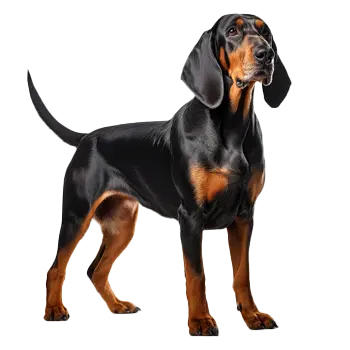

Collars, Harnesses & Leashes

Choosing the right collar for a Black and Tan Coonhound starts with understanding the breed's build and behavior on leash. Coonhounds have moderately thick necks and a tendency to pull when they catch an interesting scent, which means flimsy collars and lightweight hardware will not hold up. A flat collar made from heavy-duty nylon or leather, at least one inch wide, distributes pressure across the neck and is sturdy enough for everyday wear. The collar should fit snugly enough that it cannot slip over the dog's head but loose enough to slide two fingers between the collar and the dog's neck comfortably.

Harnesses are the preferred option for leash walks, particularly for Coonhounds that pull persistently. A front-clip harness redirects the dog's forward momentum by steering the chest toward the handler when the dog lunges, making it a practical training tool rather than just a restraint. Back-clip harnesses provide less steering control but are comfortable for dogs that have already learned loose-leash manners. Dual-clip harnesses that offer both attachment points give owners flexibility to switch based on the situation.

Leash selection depends on the activity. A standard six-foot leash made from nylon webbing or biothane provides the right balance of control and freedom for neighborhood walks. Leather leashes develop a comfortable grip over time and are exceptionally durable, though they require conditioning to prevent cracking. For training exercises or hiking in open areas, a fifteen- to thirty-foot long line gives the Coonhound room to explore while maintaining the handler's ability to recall. Retractable leashes are generally not recommended for this breed, as they provide inconsistent tension that reinforces pulling and offer poor control if the dog bolts after a scent.

For Coonhounds that work in the field or spend time in low-light conditions, reflective or LED-equipped collars and leashes add a layer of visibility safety. High-visibility orange is a traditional choice for hunting dogs, making the dog conspicuous to other hunters. Reflective stitching or integrated LED lights serve a similar purpose for dogs walked along roads during early morning or evening hours.

Grooming Tools

The Black and Tan Coonhound's short, dense coat is relatively low-maintenance compared to long-coated breeds, but it still sheds steadily and benefits from regular brushing. A rubber curry brush or a grooming mitt is the ideal primary tool, as the flexible rubber nubs lift loose hair and distribute skin oils without irritating the skin. Weekly brushing sessions keep shedding under control and give the owner an opportunity to check for ticks, lumps, or skin irritation.

During seasonal coat changes in spring and fall, shedding intensifies and a deshedding tool designed for short-coated breeds can help manage the volume of loose hair. These tools feature fine-toothed edges that reach through the topcoat to remove dead undercoat without cutting the live hair. Use them sparingly — once or twice per week during heavy shedding periods — as overuse can irritate the skin and thin the coat unnecessarily.

Ear care requires more attention than coat care in this breed. The Coonhound's long, pendulous ears trap moisture and restrict airflow to the ear canal, creating conditions that favor bacterial and yeast infections. A quality ear cleaning solution and cotton pads should be part of every grooming kit. Cleaning the ears weekly — or after every swim or bath — helps prevent the buildup that leads to chronic infections. Avoid inserting anything into the ear canal itself; clean only the visible portions of the inner ear flap and the canal entrance.

Nail trimming, dental care, and bathing round out the grooming routine. A heavy-duty nail clipper or a rotary grinding tool keeps nails at an appropriate length, which is especially important for a breed that spends time on varied terrain. Dental chews and enzymatic toothpaste help maintain oral health between professional cleanings. Bathing every four to six weeks with a mild dog shampoo is sufficient for most Coonhounds, though dogs that swim frequently or roll in unpleasant substances may need more frequent washing.

Bowls & Feeders

The right feeding setup for a Black and Tan Coonhound addresses both practical convenience and the breed's susceptibility to bloat. Stainless steel bowls are the gold standard — they are durable, easy to sanitize, resistant to bacterial buildup, and heavy enough to resist being pushed around the floor by an enthusiastic eater. Ceramic bowls offer similar hygiene benefits and added weight stability, though they can chip or crack over time.

Slow-feeder bowls are a worthwhile investment for Coonhounds that eat quickly. These bowls feature raised ridges, mazes, or divided compartments that force the dog to work around obstacles to reach its food, significantly reducing eating speed. Slowing food consumption is one of the most practical steps an owner can take to reduce bloat risk, and most dogs adapt to slow-feeder designs within a few meals.

Elevated feeding stations have been a subject of debate regarding bloat prevention. Some studies suggest that raised bowls may actually increase bloat risk in large, deep-chested breeds, while others find no significant correlation. Given the conflicting evidence, the conservative approach is to feed from floor-level bowls unless a veterinarian specifically recommends elevation for a dog with a diagnosed condition that makes bending to eat uncomfortable, such as megaesophagus or cervical spine issues.

Water bowls should be large enough to hold a generous supply, as Coonhounds drink heartily, especially after exercise. A spill-proof or weighted water bowl prevents the mess that results from a large dog pawing at or knocking over a lightweight dish. For multi-dog households, separate water stations in different areas of the home ensure that each dog has uncontested access to hydration. Washing food and water bowls daily with hot soapy water prevents biofilm accumulation that can harbor bacteria.

Travel Gear

Black and Tan Coonhounds are large enough that travel requires advance planning and appropriate gear. For car travel, a crash-tested crate or a vehicle-specific dog barrier that separates the cargo area from the passenger cabin provides the safest containment. An unrestrained Coonhound in a moving vehicle is a distraction to the driver and a projectile hazard in the event of a sudden stop. If a crate does not fit in your vehicle, a seat belt harness rated for your dog's weight offers a reasonable alternative.

Car seat covers and cargo liners protect upholstery from the drool, hair, and occasional mud that Coonhounds inevitably bring along. Waterproof, quilted covers designed for the back seat or cargo area are easy to remove and machine wash, which keeps the vehicle tolerable for human passengers as well. A non-slip mat over the liner gives the dog traction during turns and stops, reducing anxiety in dogs that are nervous about unstable footing.

For air travel, most Black and Tan Coonhounds exceed the weight limit for in-cabin transport, which means they travel in airline-approved cargo crates in the aircraft's pressurized hold. This requires an IATA-compliant crate with specific ventilation, labeling, and construction requirements that vary by airline. Well before travel day, acclimate the dog to the crate through positive association training and verify the airline's breed-specific and temperature-related restrictions.

Hiking and camping with a Coonhound calls for its own set of gear. A sturdy trail harness with a handle on the back allows the owner to assist the dog over obstacles or restrain it quickly. Collapsible water bowls and a dog-specific hydration pack ensure the dog stays watered on long outings. Booties protect paw pads from sharp rocks, hot pavement, or icy terrain, though most Coonhounds need a gradual introduction period before they accept footwear without comedic protest.

Safety & ID

Identification is critically important for Black and Tan Coonhounds, whose scent-driven wanderlust makes them one of the breeds most likely to go missing if given the opportunity. A microchip, registered with current contact information and implanted by a veterinarian, provides permanent identification that cannot be lost, removed, or damaged. Every Coonhound should be microchipped regardless of how secure its living situation appears, as escapes can happen even in the most carefully managed households.

A collar-mounted ID tag remains the fastest way for a finder to reunite a lost dog with its owner. Tags should include the dog's name, the owner's phone number, and ideally a secondary contact number. Some owners add their city and zip code rather than a full address for privacy reasons. Engraved metal tags are more durable than printed plastic tags, which fade and crack over time. Riveted or slide-on tag plates that attach flush to the collar eliminate the jingling noise and snagging hazard of hanging tags.

Reflective and illuminated gear serves a dual safety purpose: keeping the dog visible to motorists during low-light walks and making it easier to locate a dog that has wandered in dim conditions. Reflective collar wraps, LED clip-on lights, and illuminated leashes are all practical additions to a Coonhound's gear collection. For dogs that spend time in wooded areas or hunting environments, a high-visibility vest in blaze orange protects the dog from being mistaken for game.

First aid preparedness is an often-overlooked component of dog safety gear. A canine first aid kit stocked with gauze, adhesive wrap, antiseptic wipes, tweezers for tick removal, styptic powder for nail bleeding, and an emergency muzzle gives the owner basic field-treatment capability. Coonhounds that hike, hunt, or explore rough terrain are more exposed to cuts, insect stings, and snake encounters than dogs that stay on sidewalks, making a portable kit a practical addition to any outdoor outing.

Seasonal Gear

The Black and Tan Coonhound's short coat provides limited insulation against cold weather, making a well-fitting dog coat or jacket a practical accessory for winter walks and outdoor time in cold climates. Look for coats that cover the chest and belly — where heat loss is greatest — and that feature adjustable closures at the neck and waist for a snug fit that does not restrict the dog's movement. Waterproof or water-resistant outer shells add protection during rain and snow.

Paw protection is relevant in both summer and winter. In winter, salt and chemical de-icers used on roads and sidewalks can irritate and crack paw pads. A protective wax balm applied before walks creates a barrier between the paw and the ground, and booties provide more complete coverage for extended outdoor time. In summer, pavement temperatures can exceed 150 degrees Fahrenheit on hot days, which is hot enough to cause burns within seconds. Testing the pavement with the back of your hand — if you cannot hold it there for five seconds, it is too hot for your dog — is a simple safety check.

Cooling gear helps Coonhounds manage heat during warm months. Evaporative cooling vests, which are soaked in water and use the evaporation process to lower the dog's surface temperature, provide relief during summer walks and outdoor activities. Cooling bandanas that wrap around the neck target the area where major blood vessels run close to the surface, delivering a localized cooling effect. These products are especially valuable for a dark-coated breed that absorbs heat readily.

Seasonal pest prevention is another category where the right gear makes a meaningful difference. Tick-repellent collars and bandanas treated with permethrin-based solutions add a layer of protection for Coonhounds that spend time in tall grass, wooded areas, or fields where tick exposure is high. Fly-strike ear covers protect the delicate ear tips from biting flies during summer months — a common problem for hound breeds with pendulous ears. These lightweight fabric covers slip over the ears and prevent the painful sores that result from repeated fly bites.

Always consult a qualified professional before making any health-related decisions. This content is provided for informational reference only and should not replace professional guidance specific to your animal.