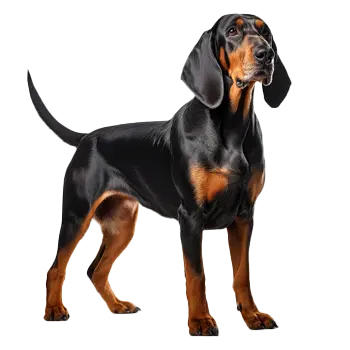

Space Requirements

Black and Tan Coonhounds are large dogs that need room to stretch out and move freely. An adult male can reach 27 inches at the shoulder and weigh over 100 pounds, so cramped apartments and tiny living spaces present real challenges. While the breed is surprisingly calm indoors — often content to lounge for hours between outings — they still need enough floor space to lie flat on their sides without bumping into furniture and enough ceiling clearance in any enclosed area to stand comfortably.

A house with a securely fenced yard is the ideal setup. Coonhounds are scent-driven dogs that will follow an interesting trail with single-minded focus, which means an unfenced property is an invitation for the dog to disappear for hours. Fencing should be at least five to six feet tall, as these athletic hounds can clear shorter barriers when sufficiently motivated. Underground electronic fences are generally unreliable for this breed, since the drive to follow a scent frequently overrides the deterrent.

For owners in smaller homes or apartments, a Coonhound can adapt if given sufficient daily exercise — at least an hour of vigorous outdoor activity — and a dedicated indoor space large enough for a properly sized crate or bed. The key is that the dog has a defined area it recognizes as its own territory within the home, which reduces anxiety and gives the dog a retreat when household activity becomes overwhelming.

Yard security deserves special attention beyond fence height. Coonhounds are capable diggers when bored, so reinforcing the fence line with buried wire, concrete footers, or landscape timbers along the base prevents escape tunneling. Gate latches should be secure enough to resist a nudge from a determined nose, and any gaps between fence panels or at the bottom must be addressed before the dog discovers them.

Crates & Kennels

A properly sized crate serves as a valuable management tool for Black and Tan Coonhounds, providing a safe den space for rest and a practical solution for housetraining, travel, and preventing destructive behavior when unsupervised. The crate should be large enough for the dog to stand without ducking, turn around fully, and lie down with legs extended. For most adult Coonhounds, this means a 48-inch crate, though especially large individuals may need a 54-inch model.

Heavy-gauge wire crates are the best general-purpose option. They provide excellent ventilation, allow the dog to see its surroundings, and are sturdy enough to withstand the strength of a large hound. Avoid lightweight wire crates designed for smaller breeds, as a determined Coonhound can bend thin gauge wire and potentially injure itself in the process. Double-door models with front and side openings offer flexibility in placement within your home.

For dogs with separation anxiety or a history of crate resistance, heavy-duty steel or aluminum crates designed for escape-prone breeds offer a higher level of security. These crates feature reinforced latches, thicker bar spacing, and crash-tested construction that prevents the dog from breaking free and potentially hurting itself. The investment is significant but worthwhile for dogs that have destroyed standard wire crates.

Outdoor kennels provide a middle ground between full yard access and indoor crating. A kennel run of at least six feet wide by twelve feet long gives a Coonhound enough space to move comfortably while keeping it contained. The kennel should have a solid roof for weather protection, a shaded area, and a concrete or gravel floor that discourages digging. Chain-link panels should be heavy gauge and securely anchored, as Coonhounds can be persistent about testing weak points.

Beds & Sleeping Areas

Coonhounds are champion sleepers that can doze for impressive stretches between periods of activity, so investing in a quality bed pays dividends in joint health and overall comfort. Orthopedic beds with memory foam or high-density support foam are the best choice for this large breed, distributing weight evenly across the dog's frame and cushioning the pressure points at hips, shoulders, and elbows that are vulnerable to calluses and joint strain.

Bed size should accommodate the dog's full body when stretched out on its side, which is the Coonhound's preferred sleeping position. A bed measuring at least 40 by 30 inches suits most individuals, though larger dogs may need jumbo-sized options. Bolstered beds with raised edges appeal to dogs that like to rest their heads on a pillow-like surface, while flat mat-style beds work well inside crates where bolsters would reduce usable floor space.

Durability is a practical concern. Coonhounds are not typically aggressive chewers of their bedding, but their size and weight compress foam over time. Look for beds with replaceable inserts or covers with heavy-duty zippers that allow you to swap out the foam core when it loses its support. Machine-washable covers are essential, as Coonhound ears and jowls transfer drool and oils to fabric surfaces regularly.

Placement matters almost as much as the bed itself. Coonhounds are social dogs that want to be near their family, so positioning the bed in a common area like the living room or bedroom ensures the dog actually uses it rather than claiming the couch. A second bed in a quieter location gives the dog an option for undisturbed rest during busy household moments. Avoid placing beds near drafty windows or heating vents, as temperature extremes disrupt sleep quality.

Outdoor Enclosures

While Black and Tan Coonhounds should never be relegated to permanent outdoor living — they are pack animals that thrive on human companionship — well-designed outdoor enclosures provide valuable space for supervised time outside. A fenced yard remains the gold standard, but dedicated enclosure options can supplement or substitute when full yard fencing is impractical.

Portable exercise pens made from heavy-gauge wire panels create a temporary contained area for outdoor lounging, though they are not secure enough to leave a Coonhound unattended. The dog's strength and determination make lightweight pens a containment suggestion rather than a guarantee. These work best for structured outdoor time when the owner is present and can intervene if the dog decides to test the boundaries.

Permanent kennel runs built with galvanized chain-link or welded wire panels offer a more robust solution. The enclosure should include a weatherproof roof or shade structure, as Coonhounds are sensitive to heat due to their dark coat and can overheat quickly in direct sun. Insulated dog houses or covered shelters within the run give the dog a retreat from rain, wind, and temperature extremes. Elevating the shelter slightly off the ground prevents moisture accumulation and improves airflow underneath.

Flooring in outdoor enclosures affects both comfort and hygiene. Concrete is easy to clean but hard on joints unless covered with rubber matting. Pea gravel drains well and stays relatively cool but requires periodic replenishment. Grass is comfortable but turns to mud under a large dog's traffic patterns and is difficult to sanitize. A combination approach — concrete in the shelter area, gravel in the active zone — often provides the best balance of practicality and comfort.

Climate Considerations

The Black and Tan Coonhound's short, dense coat provides moderate insulation but is not designed for extreme cold. In regions where winter temperatures regularly drop below freezing, outdoor time should be limited and the dog's indoor sleeping area should be warm and draft-free. A heated dog bed or a self-warming pad that reflects body heat can make a significant difference for Coonhounds in cold climates, particularly for older dogs with joint stiffness that worsens in low temperatures.

Heat is the greater concern for this breed. The dark coat absorbs solar radiation efficiently, and Coonhounds can overheat during summer exercise or prolonged outdoor exposure faster than lighter-colored breeds. Air conditioning is effectively a necessity in warm climates, and the dog's primary living space should maintain a comfortable temperature year-round. Cooling mats — gel-filled pads that absorb body heat — provide relief during warm months and can be placed on the dog's bed or inside its crate.

Humidity compounds heat stress. In the southeastern United States, where the breed has deep roots, summer humidity levels can push effective temperatures well above the actual air temperature. Dogs housed in outdoor kennels during humid months need constant access to fresh water, adequate shade coverage, and ideally some form of air circulation from a fan rated for outdoor use. Misting systems designed for kennel environments can lower ambient temperature in the immediate area by several degrees.

Seasonal transitions require adjustments to the dog's living setup. As fall approaches, adding an extra blanket or switching to a thicker bed insert prepares the sleeping area for cooler nights. In spring, removing heavy bedding and ensuring the crate or kennel has maximum ventilation prevents the dog from overheating as temperatures climb. Paying attention to these transitions demonstrates responsible ownership and keeps the dog comfortable through every season.

Multi-Pet Households

Black and Tan Coonhounds are generally sociable dogs that coexist well with other pets, but multi-pet households require thoughtful spatial planning to prevent resource guarding, territorial disputes, and feeding conflicts. Each dog in the household should have its own crate, bed, and feeding station, positioned far enough apart that one dog does not feel the need to defend its space from another. This is especially important during mealtimes, when even friendly dogs can become possessive.

Coonhounds have a strong prey drive rooted in their hunting heritage, which can create challenges when they share a home with cats, rabbits, or other small animals. Physical separation — baby gates, closed doors, or dedicated rooms — provides essential safety barriers when the animals cannot be directly supervised. Crates with solid side panels rather than open wire can reduce visual stimulation for a Coonhound that becomes overly focused on a small animal moving nearby.

Noise management is a practical consideration in multi-pet homes. Coonhounds are vocal dogs with a distinctive bay that carries considerable volume and distance. In households with noise-sensitive animals or neighbors, strategic crate placement away from shared walls and windows can help contain the sound. Crate covers or placing the crate in an interior room dampens the acoustics somewhat, though no amount of placement fully silences a Coonhound that has decided to announce something.

When introducing a new Coonhound to an established pet household, having separate housing areas for the initial adjustment period prevents forced interactions that can escalate into conflict. Gradual introductions in neutral spaces, followed by supervised shared time in the home, allow the animals to establish social boundaries at their own pace. Maintaining separate sleeping and eating areas even after the pets have acclimated ensures that each animal retains a stress-free personal zone.

Always consult a qualified professional before making any health-related decisions. This content is provided for informational reference only and should not replace professional guidance specific to your animal.