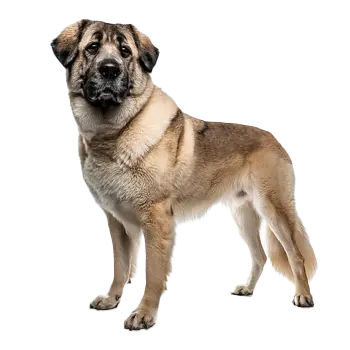

Activity & Health Monitors

Activity and health monitors designed for dogs have evolved significantly in recent years, offering Anatolian Shepherd owners valuable insight into their dog's daily movement patterns, rest quality, and overall behavioral trends. These devices typically attach to the collar and use accelerometers and other sensors to track metrics like steps taken, active minutes, resting periods, and calorie estimates. For a breed that can be difficult to read — Anatolian Shepherds are stoic and rarely show discomfort until a problem is well advanced — trend data from a health monitor can flag subtle changes that might otherwise go unnoticed.

The most useful feature of these monitors for Anatolian Shepherd owners is the ability to establish a baseline of normal activity and then receive alerts when patterns deviate significantly. A sudden drop in activity could indicate pain, illness, or the onset of a joint condition. An unexpected increase in nighttime restlessness might signal discomfort, anxiety, or a medical issue developing. These early warning signals allow owners to seek veterinary attention before a condition becomes severe, which is particularly valuable for a breed that masks pain as a matter of temperament.

When selecting an activity monitor, consider durability and water resistance. Anatolian Shepherds — especially working dogs — are rough on equipment. The monitor needs to withstand impacts, weather exposure, and the general wear of daily life on a large, active dog. Battery life is another practical consideration; devices that require daily charging are inconvenient for owners managing working dogs on large properties. Look for monitors with battery life of at least several days and charging systems that are simple to manage.

Data accessibility matters as well. The best health monitoring platforms present information in clear, actionable formats through smartphone apps, with historical trending that allows you to compare weeks and months rather than just individual days. Some platforms allow you to share data directly with your veterinarian, creating a collaborative health management approach. Avoid monitors that lock essential features behind premium subscription tiers unless the subscription cost is justified by genuinely useful advanced analytics.

GPS & Location Tracking

GPS tracking technology is arguably the single most valuable tech investment for Anatolian Shepherd owners. This breed's combination of intelligence, independence, and physical capability makes them among the most escape-prone of all dog breeds. A GPS tracker attached to the collar provides real-time location data and the ability to locate your dog quickly if it breaches containment. For working Anatolians guarding livestock across large, open properties, GPS tracking allows the owner to monitor the dog's patrol patterns and position without needing direct visual contact.

GPS trackers for dogs fall into two general categories: cellular-based devices that use mobile networks to transmit location data, and satellite-based systems that work independently of cell towers. Cellular trackers are more affordable and offer excellent performance in areas with reliable cell coverage. Satellite-based trackers are more expensive but provide coverage in remote, rural areas where cell service is spotty or nonexistent — a critical consideration for working Anatolian Shepherds on ranches and farms far from urban infrastructure.

Geofencing is a particularly useful feature for Anatolian Shepherd owners. This allows you to define a virtual boundary on a map — corresponding to your property line, for example — and receive an immediate alert if the dog crosses that boundary. Some systems offer multiple geofence zones, which can be useful for properties with different management areas. The speed and reliability of these alerts varies between products, so look for systems that advertise low-latency notifications and test the geofence alerts thoroughly after initial setup.

Battery life and attachment security are the two most important practical considerations. A tracker that dies after eight hours is useless for a dog that may be unattended for a full day. Seek devices with multi-day battery life and efficient power management features like sleep modes and configurable update intervals. The attachment mechanism must be absolutely secure — a tracker that falls off the collar during rough activity defeats its purpose entirely. Integrated collar designs where the tracker is built into the collar itself are worth considering for dogs that are hard on clip-on accessories.

Smart Feeders & Water

Smart feeders bring precision and consistency to feeding routines, which is particularly beneficial for Anatolian Shepherd owners who maintain structured feeding schedules to manage bloat risk and weight control. Programmable automatic feeders dispense predetermined portions at set times, ensuring the dog is fed on schedule even when the owner's routine varies. For households where multiple family members share feeding duties, a smart feeder eliminates the risk of accidental double-feeding — a common contributor to weight gain in large breeds.

For Anatolian Shepherds, the feeder must be built to withstand interaction with a large, strong, and potentially food-motivated dog. Flimsy plastic hoppers and lightweight bases invite tipping, pawing, and brute-force access to the food reservoir. Look for feeders with stainless steel bowls, locking lids, and heavy or mountable bases that resist a determined 130-pound dog. Some high-end feeders include portion lock features that prevent the dog from triggering additional dispensing cycles through physical manipulation of the feeder.

Smart water fountains and automatic waterers ensure a constant supply of fresh, filtered water without manual refilling. Circulating fountains encourage drinking by providing moving water, which many dogs find more appealing than standing water in a traditional bowl. Multi-stage filtration removes sediment, chlorine taste, and other contaminants. For outdoor use, heated automatic waterers prevent freezing during winter months — an essential feature for working Anatolians that need reliable water access regardless of temperature.

App-connected feeders and waterers provide usage data that can reveal important health patterns. A sudden increase in water consumption could indicate kidney issues, diabetes, or other metabolic conditions. A decrease in food intake might signal dental pain, digestive discomfort, or illness. While these observations should always be followed up with veterinary consultation, having objective consumption data — rather than relying on visual estimates — gives you a more accurate picture of your dog's daily intake and any changes over time.

Cameras & Home Monitoring

Pet cameras and home monitoring systems serve multiple purposes for Anatolian Shepherd owners. At the most basic level, they allow you to check on your dog during absences, confirming that the dog is comfortable, calm, and not engaging in destructive behavior. For a breed that can be prone to fence-testing and territorial behavior, visual monitoring provides peace of mind that your property and neighbors are secure while you are away.

Outdoor cameras are especially valuable for Anatolian Shepherds that spend significant time in yards or on working properties. Weather-resistant cameras with night vision allow you to monitor your dog's nighttime behavior — useful for detecting predator activity on farms, monitoring fence-line patrols, and confirming that the dog is using its shelter during inclement weather. Wide-angle and pan-tilt-zoom cameras cover more area with fewer units, which is practical for large properties where the dog roams freely.

Two-way audio is a feature worth prioritizing. The ability to hear what is happening in your dog's environment — and to speak to the dog through the camera — provides both monitoring and intervention capability. If your Anatolian is barking excessively at a perceived threat, a calm verbal cue delivered through the camera may be enough to redirect the behavior. Some Anatolian owners report that the sound of their voice through a speaker has a genuine calming effect on their dog during stressful events like thunderstorms or fireworks.

Motion-activated recording and alert systems add a layer of security beyond simple live viewing. Cameras that record clips when motion is detected create a searchable archive of events — useful for reviewing incidents, identifying patterns in the dog's behavior, or documenting interactions with wildlife or trespassers. Cloud storage and local storage options each have trade-offs in terms of cost, privacy, and accessibility, so choose the approach that fits your priorities. For working dog operations, camera systems that integrate with property-wide security infrastructure provide comprehensive monitoring of both livestock and guardian dog activity.

Training Technology

Technology-assisted training tools have expanded the options available to Anatolian Shepherd owners working with a breed that does not always respond to conventional training approaches. Remote training collars — when used correctly under professional guidance — allow communication with the dog at distances where voice commands are impractical. For working Anatolians that operate hundreds of yards from their handler, a well-timed vibration or tone cue can reinforce recall and boundary training without requiring the handler to close the distance.

It is important to emphasize that electronic training tools are not a shortcut and carry significant risk of misuse. Anatolian Shepherds are sensitive dogs despite their imposing exterior, and harsh corrections can damage trust, increase defensiveness, and undermine the handler-dog relationship. If electronic collars are used at all, they should be introduced under the guidance of a professional trainer experienced with livestock guardian breeds, and the lowest effective stimulation level should always be used. Many trainers advocate for vibration-only or tone-only protocols with this breed, reserving any stimulation as a last resort for safety-critical situations.

Automated treat dispensers paired with remote cameras offer a positive-reinforcement-based alternative for remote training and behavior shaping. These devices allow you to reward desired behavior in real time from a distance, which is useful for reinforcing calm behavior, discouraging fence-line aggression, or encouraging the dog to return to a designated area. The combination of visual monitoring and immediate reward delivery creates a powerful training loop that does not rely on aversive correction.

Training apps and digital platforms that provide structured training curricula can be valuable resources for Anatolian Shepherd owners, particularly those new to the breed. Video-based instruction from trainers who specialize in guardian breeds offers breed-appropriate techniques that generic obedience programs may not address. Some platforms include progress tracking, community forums, and the ability to submit video clips for professional feedback. While no app can replace hands-on work with an experienced trainer, digital resources can supplement in-person training and provide ongoing guidance between professional sessions.

Veterinary Telehealth

Veterinary telehealth services have become an increasingly practical resource for Anatolian Shepherd owners, particularly those in rural areas where access to veterinary clinics may require significant travel. These platforms connect pet owners with licensed veterinarians through video calls, phone consultations, or text-based messaging, providing professional guidance for non-emergency questions, behavioral concerns, medication inquiries, and triage assessments. For a breed that often lives on working properties far from urban veterinary infrastructure, telehealth bridges a critical access gap.

Telehealth is not a replacement for in-person veterinary care, and reputable platforms are clear about this distinction. Physical examinations, diagnostic imaging, blood work, surgical procedures, and emergency care all require hands-on veterinary attention. Where telehealth excels is in helping owners determine whether a situation warrants an in-person visit, providing interim guidance while arranging transportation to a clinic, and offering follow-up consultations after a diagnosis has been established. For Anatolian Shepherd owners managing chronic conditions like joint disease or skin allergies, telehealth check-ins between scheduled veterinary appointments can help optimize treatment plans.

The quality of telehealth platforms varies considerably. Look for services staffed by licensed veterinarians rather than general pet advisors, and confirm that the platform operates within the regulatory framework of your state or region. Some services offer 24/7 availability, which is particularly valuable for emergency triage — helping you determine whether a midnight symptom requires an immediate trip to an emergency clinic or can safely wait until morning. The cost structure ranges from per-consultation fees to monthly subscription models, so evaluate your anticipated usage before committing to a plan.

Integrating telehealth with your dog's health monitoring technology creates a comprehensive care ecosystem. Activity data, consumption patterns from smart feeders, and video footage from home cameras can all be shared with the telehealth veterinarian to provide context that a brief video call alone might not capture. Some advanced health monitoring platforms are beginning to offer direct integration with telehealth services, allowing the veterinarian to review the dog's health trends before the consultation begins. This data-informed approach to veterinary care is especially valuable for large breeds like the Anatolian Shepherd, where early detection of health changes can significantly impact treatment outcomes.

Always consult a qualified professional before making any health-related decisions. This content is provided for informational reference only and should not replace professional guidance specific to your animal.