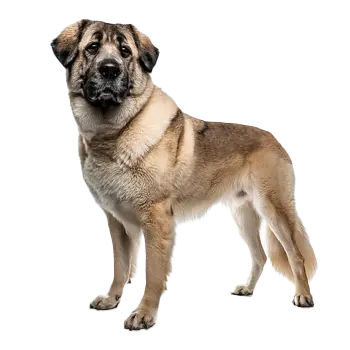

The Anatolian Shepherd was developed to patrol vast stretches of open terrain alongside livestock herds across the Turkish plateau, and that heritage profoundly shapes its space requirements as a companion animal. This is not a breed suited to apartment living or small suburban lots. Anatolian Shepherds need room to move, patrol, and survey their surroundings. A securely fenced yard is considered essential, and the larger the property, the more naturally the breed's instincts are satisfied. Without adequate space, these dogs are prone to boredom-driven behaviors including digging, fence testing, and excessive barking.
Indoor space matters as well, even though Anatolians are hardy dogs that historically lived outdoors full-time. Modern companion Anatolians benefit from having a designated indoor resting area where they can retreat from weather extremes and remain connected to their family. A dog of this size needs enough floor space to stretch out fully without being underfoot in high-traffic areas. Many owners designate a corner of a living room or a large mudroom as the dog's primary indoor zone, outfitted with a suitably sized bed or mat.
For Anatolian Shepherds kept in working environments — guarding livestock on farms or ranches — the space calculation is different. These dogs need access to the full perimeter of whatever area they are protecting, along with shelter structures positioned within the pasture or enclosure. Working Anatolians often choose their own resting spots based on vantage points, so providing multiple shelter options throughout the property allows the dog to position itself strategically while still having protection from sun, rain, and wind.
Regardless of the living situation, the Anatolian Shepherd's space should be escape-proof. These dogs are intelligent, determined, and physically powerful. Standard four-foot fencing is inadequate — a minimum of six feet is recommended, and many experienced owners add coyote rollers, lean-in extensions, or buried aprons to prevent climbing or digging out. The fence should be sturdy enough to withstand a 150-pound dog leaning or pushing against it repeatedly.