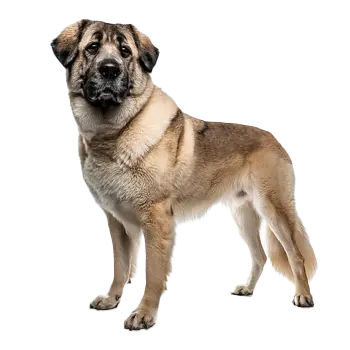

The Anatolian Shepherd is a large to giant breed originally developed for livestock guarding across the rugged terrain of Turkey. Despite their imposing size, these dogs were historically fed modest, nutrient-dense diets rather than enormous volumes of food. Their metabolism is notably efficient compared to other giant breeds, meaning they require fewer calories per pound of body weight than you might expect. Understanding this balance is critical to keeping your Anatolian at a healthy weight while supporting their muscular frame and steady energy output.
Protein should be the foundation of any Anatolian Shepherd's diet, with high-quality animal-based sources making up a significant portion of their daily intake. Adult Anatolians generally do well on formulas containing around 22 to 26 percent protein, while puppies and working dogs may benefit from slightly higher levels. Fat content should remain moderate — typically between 12 and 16 percent — to provide sustained energy without contributing to excess weight gain. Joint health is a primary concern in large breeds, so adequate levels of omega-3 fatty acids, glucosamine, and chondroitin in the diet can help support cartilage and reduce inflammation over time.
Calcium and phosphorus ratios are especially important during the Anatolian Shepherd's growth phase. Giant breeds that grow too quickly are at increased risk for developmental orthopedic conditions, so puppy formulas designed specifically for large or giant breeds help regulate growth speed. As adults, Anatolians typically require between 1,800 and 2,500 calories per day depending on activity level, age, and whether they are actively working as guardians. Senior dogs often benefit from reduced-calorie formulas that still provide adequate protein to maintain lean muscle mass.
Hydration is another factor that deserves attention. Anatolian Shepherds working outdoors in warm climates can lose significant moisture throughout the day. Ensuring access to clean, fresh water at all times is essential, and incorporating moisture-rich food options can further support hydration. Electrolyte balance becomes particularly important for dogs that spend extended hours in the field during hot weather.