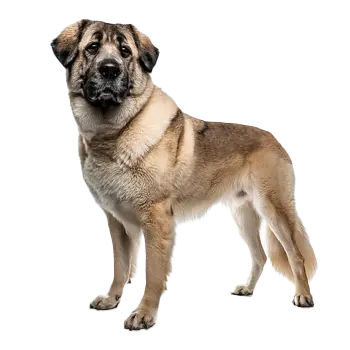

Play Style & Drive

Understanding the Anatolian Shepherd's play style requires appreciating that this breed was not developed for the kind of enthusiastic, repetitive play that defines many sporting and herding breeds. Anatolians are thinkers rather than fetchers. Their historical role as independent livestock guardians cultivated a calm, observant temperament that approaches play with deliberation rather than frenetic energy. Many first-time Anatolian owners are surprised to find that their dog shows little interest in endless games of fetch or tug — and that is perfectly normal for the breed.

What does engage an Anatolian Shepherd is problem-solving and exploration. These dogs enjoy investigating new objects, working through challenges at their own pace, and patrolling their environment. Their play drive tends to emerge in short, focused bursts rather than sustained sessions. An Anatolian might spend twenty minutes methodically working a puzzle toy, then lose interest entirely and return to watching the yard. This pattern reflects the breed's working rhythm — long periods of calm vigilance punctuated by moments of decisive action.

Social play with other dogs can be complicated for Anatolian Shepherds, particularly as they mature. Puppies are often playful and gregarious, but adult Anatolians frequently become selective about their play partners and may not tolerate rough or pushy play styles from other dogs. Supervised play with compatible, calm companions is fine, but dog parks and unstructured group play settings are generally not recommended for this breed. Their size, strength, and assertive body language can escalate interactions quickly, even without aggressive intent.

The most important thing to understand about enrichment for an Anatolian Shepherd is that mental stimulation matters more than physical exhaustion. Attempting to tire out an Anatolian through exercise alone is a losing strategy — their endurance was built for all-day patrolling across miles of terrain. Instead, focus on activities that challenge their intelligence, satisfy their curiosity, and respect their independent decision-making style.

Interactive & Puzzle Toys

Puzzle toys are among the most effective enrichment tools for Anatolian Shepherds because they tap directly into the breed's problem-solving nature. Food-dispensing puzzles that require the dog to slide, lift, or manipulate components to access hidden treats provide the kind of cerebral engagement that keeps an Anatolian interested. Start with simpler designs and progress to more complex multi-step puzzles as your dog develops proficiency. Rotating puzzles in and out of the toy lineup prevents habituation and keeps each session feeling novel.

Snuffle mats and scent-based enrichment games are particularly well-suited to this breed. Anatolian Shepherds have a keen nose and enjoy using it — scattering kibble across a textured mat or hiding treats throughout a room channels their natural investigative behavior into a structured activity. These low-energy activities are ideal for days when weather or circumstances limit outdoor time, and they provide meaningful mental engagement without requiring intense physical effort from either the dog or the owner.

Interactive toys that involve cooperation between dog and owner can strengthen the bond with a breed that is not naturally oriented toward handler-dependent activities. Toys where you load treats, set the puzzle, and then step back to let the dog work independently strike the right balance for an Anatolian — they get the social connection of shared activity without feeling micromanaged. Avoid interactive toys that require constant human direction or rapid-fire responses, as these clash with the breed's deliberate, self-directed nature.

Durability is a critical factor in any toy purchased for an Anatolian Shepherd. Their powerful jaws can make short work of products designed for average-sized dogs. Look for puzzle toys constructed from heavy-duty rubber, reinforced nylon, or thick hard plastic. Toys marketed for "aggressive chewers" or "power chewers" are a reasonable starting point, but always supervise initial use to confirm the toy can withstand your individual dog's chewing pressure. Remove any toy that begins to break apart, as ingested fragments pose a serious choking and obstruction risk.

Chew Toys & Durability

Chewing is a natural and necessary behavior for Anatolian Shepherds, serving purposes that range from dental hygiene to stress relief. Providing appropriate chew toys channels this instinct away from furniture, fencing, and household items. For a breed with this much jaw strength, the toy market narrows considerably — many products labeled as durable simply are not built for a 130-pound dog that chews with genuine determination. Focus on toys rated for extra-large or giant breeds and inspect them regularly for signs of wear.

Rubber chew toys designed for powerful chewers remain the most reliable everyday option. Look for solid or nearly solid construction rather than hollow designs with thin walls, which can be compressed and torn apart by a strong Anatolian. Textured surfaces and irregular shapes add interest and provide a mild gum-massaging benefit. Some owners find that freezing rubber toys with a smear of dog-safe paste inside extends engagement time and adds a soothing element for teething puppies or dogs that chew more intensely during warm weather.

Natural chew options like bully sticks, tendons, and trachea are popular supplements to manufactured toys. These are fully digestible and provide a satisfying chewing experience, but they are consumed rather than reused, so the ongoing cost is higher. Select sizes appropriate for a giant breed — thin or small chews can be swallowed whole by an Anatolian, creating a choking hazard. Always supervise natural chew sessions and remove the item once it has been chewed down to a size that could be gulped.

Avoid chew products that are harder than the dog's teeth. Items like antlers, weight-bearing bones, and extremely dense nylon can cause slab fractures of the premolars and molars, leading to painful veterinary dental procedures. A good rule of thumb is the thumbnail test — if you cannot dent the surface of the chew with your thumbnail, it is too hard for safe unsupervised use. Prioritize products that yield slightly under pressure, providing resistance without the risk of dental damage.

Fetch & Outdoor Toys

Fetch is not the Anatolian Shepherd's signature activity, but that does not mean outdoor toys have no place in their enrichment routine. Many Anatolians will retrieve a ball or toy a handful of times before losing interest — and a handful of retrieves from a dog this size still constitutes meaningful exercise. Oversized balls designed for large breeds, chunky rubber bumpers, and rope-handled tug toys are all reasonable options for short outdoor play sessions. The key is to match your expectations to the breed's natural engagement pattern rather than trying to create an endurance retriever.

Tug toys can be more engaging for Anatolian Shepherds than fetch, as the activity involves direct interaction and physical contest. Choose tug toys made from heavy-duty firehose material, thick braided rope, or reinforced rubber with comfortable handles. Tug play should include clear rules — the game starts and stops on command, and the dog releases when asked. For a breed as strong as the Anatolian, establishing these boundaries early prevents tug from becoming a dominance contest and keeps it in the realm of structured play.

Exploration-based outdoor activities often resonate more deeply with Anatolian Shepherds than traditional fetch games. Taking your dog to a new environment — a different trail, a friend's securely fenced property, or a rural area with varied terrain — and letting them investigate at their own pace provides rich sensory stimulation. This kind of unstructured exploration mimics the breed's natural patrol behavior and satisfies their curiosity far more effectively than repetitive ball throwing.

Water toys and pool-related play should be approached cautiously with Anatolian Shepherds. While some individuals enjoy water, the breed as a whole is not particularly water-oriented. If your dog shows interest, shallow wading pools and floating toys can provide cooling enrichment during summer months. Never force water interaction, and always supervise closely around deep water — a large, heavy-coated dog that is not a confident swimmer can tire quickly and find itself in danger.

Comfort & Companion Toys

While Anatolian Shepherds are not typically thought of as soft-toy dogs, some individuals — particularly puppies and young adults — develop attachments to specific comfort items. A large, durable stuffed toy can serve as a den companion for a crated puppy or a comforting presence for a dog adjusting to a new home. If your Anatolian shows interest in plush toys, select options designed for large breeds with reinforced stitching and minimal small parts like plastic eyes or squeaker buttons that could be removed and ingested.

Squeaker toys generate mixed results with Anatolian Shepherds. Some dogs find the sound stimulating and will work diligently to extract the squeaker, while others are indifferent. If your dog is a squeaker hunter — the type that systematically dismantles a toy to reach the noisemaker — opt for toys with reinforced squeaker compartments or switch to squeaker-free alternatives. A destroyed toy is wasted money, but more importantly, ingested squeaker components can cause intestinal blockages.

For Anatolian Shepherds that experience separation anxiety or stress during transitions, comfort toys can serve a practical behavioral purpose. A toy that carries the owner's scent can have a calming effect when left with the dog during absences. Some owners dedicate a specific toy to this purpose, keeping it in their laundry or sleeping area to absorb their scent before placing it with the dog. This is not a substitute for proper separation anxiety management, but it can be a useful component of a broader desensitization plan.

Ultimately, the best comfort toy is the one your individual dog gravitates toward. Anatolian Shepherds are highly individual in their preferences, and what works for one dog in the breed may hold zero appeal for another. Offer a variety of textures, sizes, and types during your dog's formative months and observe which items earn the most attention. The goal is not to fill a toy box but to identify the specific items that provide your dog with genuine comfort and engagement.

DIY & Budget Options

Enrichment for an Anatolian Shepherd does not require an expensive collection of specialty products. Some of the most effective toys and activities can be created from household items at minimal cost. A muffin tin with tennis balls covering treats hidden in each cup creates an instant puzzle. A cardboard box filled with crumpled paper and scattered kibble becomes a foraging activity. Old towels knotted into thick rope toys provide tug and chewing options. The critical safety rule for all DIY toys is supervision — remove homemade items once the dog begins breaking them down into ingestible pieces.

Frozen enrichment is a budget-friendly staple for large breed owners. A large rubber toy stuffed with a mixture of wet food, plain yogurt, mashed banana, and kibble, then frozen solid, provides an extended chewing and licking activity that most Anatolians enjoy. Similarly, freezing low-sodium broth in a large bowl with treats suspended at various depths creates an ice block that the dog can lick and gnaw at over an extended period. These options are particularly valuable during hot weather, combining enrichment with cooling.

Scent games cost nothing and leverage one of the Anatolian Shepherd's strongest natural abilities. Hide small portions of your dog's daily kibble ration throughout the yard or house and let the dog search for each piece. Start with easy placements and gradually increase the difficulty as the dog becomes proficient. This activity can occupy an Anatolian for fifteen to thirty minutes and provides genuine mental challenge without any special equipment. It also channels the breed's natural patrol-and-investigate behavior into a rewarding game.

Rotation is the most powerful budget strategy available. Rather than buying new toys constantly, divide your existing toys into three or four groups and rotate them weekly. Toys that have been out of circulation for a few weeks feel novel again when reintroduced, extending the useful life of every item in your collection. Combine rotation with occasional new additions — even inexpensive ones — and you can maintain a varied, stimulating enrichment program without a large ongoing investment.

Always consult a qualified professional before making any health-related decisions. This content is provided for informational reference only and should not replace professional guidance specific to your animal.