
Collars, Harnesses & Leashes

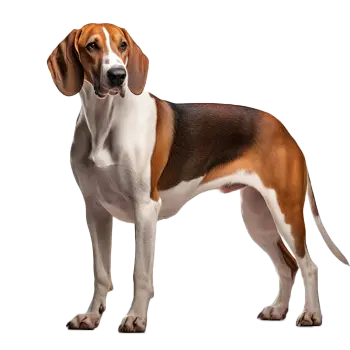
The American Foxhound's build — a deep chest, muscular neck, and lean frame — requires thoughtful collar and harness selection. A standard flat collar in nylon or leather works well for everyday identification and leash attachment, sized to fit snugly with room for two fingers between the collar and the dog's neck. Martingale collars are an excellent option for this breed, as the limited-slip design tightens just enough to prevent the dog from backing out without applying choking pressure. This is particularly useful for Foxhounds, whose narrow heads relative to their necks can allow a standard buckle collar to slip off during moments of excitement.

Harnesses distribute pulling force across the chest and shoulders rather than concentrating it on the throat. For American Foxhounds that pull on leash — and many do, especially when they catch an interesting scent — a front-clip harness redirects forward momentum by turning the dog toward the handler. Back-clip harnesses are more comfortable for well-mannered walkers but can actually encourage pulling in dogs that have not yet mastered leash manners.

Leash selection should account for the breed's strength and scent-driven impulsiveness. A six-foot leash made from strong nylon webbing, biothane, or leather provides adequate control while allowing enough freedom for comfortable walking. Retractable leashes are generally not recommended for American Foxhounds, as the thin cord offers minimal control when the dog lunges after a scent, and the locking mechanism can fail under sudden heavy load.

For off-leash training in controlled environments, a long line of 20 to 50 feet gives the dog freedom to explore while maintaining a safety connection. Long lines are invaluable for practicing recall with a breed that does not reliably respond to voice commands when its nose is engaged. Drag lines made of lightweight biothane resist tangling in brush and dry quickly after wet-ground use.

Grooming Tools

The American Foxhound's grooming needs are modest compared to many breeds, but consistent maintenance keeps the coat healthy and the home reasonably fur-free. The breed has a medium-length, dense coat that sheds steadily year-round with seasonal increases in spring and fall. A rubber curry brush or grooming mitt used two to three times per week effectively loosens dead hair and distributes natural oils across the coat. These tools conform to the body's contours and provide a massage-like experience that most Foxhounds enjoy.

A slicker brush or bristle brush handles more thorough grooming sessions, reaching through the topcoat to remove loose undercoat. For heavier shedding periods, a deshedding tool designed for short-to-medium coats can dramatically reduce the volume of loose hair. Use these tools gently to avoid irritating the skin, and work in the direction of hair growth for the most comfortable experience.

Nail maintenance is essential but often overlooked. American Foxhounds that exercise primarily on soft ground may not wear their nails down naturally, leading to overgrown nails that affect gait and can cause discomfort. Guillotine-style or scissor-type nail clippers designed for large dogs work well, and rotary nail grinders offer a smoother finish with less risk of cutting into the quick. Trim or grind nails every two to three weeks, or whenever you can hear them clicking on hard flooring.

Ear care deserves special attention in this breed. The American Foxhound's long, pendulous ears restrict airflow to the ear canal, creating a warm, moist environment where bacteria and yeast thrive. Weekly ear inspections and cleaning with a veterinary-approved ear solution can prevent infections. Gently wipe the visible portion of the ear canal with a cotton ball or gauze pad, but avoid inserting anything deep into the ear. Redness, odor, excessive discharge, or head shaking are signs that warrant veterinary attention.

Bowls & Feeders

Bowl selection for an American Foxhound should prioritize stability, hygiene, and appropriate sizing. Stainless steel bowls are the gold standard for durability and cleanliness — they resist scratching, do not harbor bacteria in surface imperfections, and are dishwasher safe. Ceramic bowls offer similar hygiene benefits and add weight that prevents tipping, though they can chip or crack if dropped. Plastic bowls are inexpensive but can develop scratches that trap bacteria and may cause contact allergies in some dogs.

Elevated feeders raise the food and water bowls to a height that reduces neck strain during eating. For a breed the size of an American Foxhound, a feeder that positions the bowl rim at approximately chest height is comfortable. However, the relationship between elevated feeders and bloat risk remains debated in veterinary literature. Some studies suggest elevation may increase risk in large, deep-chested breeds, while others find no significant correlation. Discuss this decision with your veterinarian, particularly if your Foxhound has other bloat risk factors.

Slow-feeder bowls with internal ridges, mazes, or raised patterns force the dog to work around obstacles to access food. These are highly recommended for American Foxhounds, many of which eat rapidly. Slowing intake reduces the volume of air swallowed during meals, which may help mitigate bloat risk and improves overall digestion. The added challenge also provides mild mental stimulation during an otherwise routine activity.

Water bowls should be large enough to accommodate the Foxhound's deep muzzle and should be refreshed at least twice daily. Some owners prefer water fountains that circulate and filter the water, encouraging more consistent hydration. For outdoor use, spill-proof bowls with weighted bases or no-splash designs keep water accessible during play without creating mud around the bowl area.

Travel Gear

Traveling with an American Foxhound requires preparation that accounts for the dog's size, energy level, and scent-driven tendencies. A crash-tested travel crate or vehicle-mounted kennel is the safest way to transport a Foxhound in a car. These crates secure the dog during sudden stops or collisions and prevent the dog from moving freely through the vehicle, which can distract the driver. For SUVs and hatchbacks, crates that fit the cargo area provide ample space while keeping the dog contained.

Seat belt harnesses offer an alternative to crates for shorter trips. These harnesses attach to the vehicle's seat belt system and restrict the dog's movement to a specific zone within the back seat. Look for harnesses that have been crash-tested and certified, as many inexpensive options provide only minimal restraint during an actual impact. The harness should fit snugly without restricting breathing, and the tether should allow the dog to sit or lie down comfortably.

Collapsible travel bowls, portable water bottles with integrated bowls, and travel-sized food containers simplify feeding during trips. A designated travel bag stocked with waste bags, a spare leash, grooming wipes, any medications, vaccination records, and a recent photograph of the dog ensures you have essentials readily accessible. The photograph is particularly important for a breed that may follow a scent trail away from an unfamiliar location.

For air travel, airline requirements vary significantly and change frequently. Most American Foxhounds are too large for in-cabin travel and must fly in cargo, which carries its own set of considerations including temperature control, crate requirements, and breed restrictions. Research specific airline policies well in advance and consult your veterinarian about whether air travel is appropriate for your individual dog.

Safety & ID

Reliable identification is arguably the single most important accessory for an American Foxhound. The breed's tendency to follow scent trails with total disregard for boundaries makes escape and wandering a persistent risk throughout the dog's life. A microchip implanted by a veterinarian provides permanent identification that cannot be lost, removed, or damaged. Ensure the microchip is registered with current contact information and update the registration whenever you move or change phone numbers.

ID tags attached to the collar provide immediate, visible identification that anyone can read without special equipment. At minimum, the tag should include the dog's name, your phone number, and your city. Some owners include a secondary phone number or a note indicating the dog is microchipped. Tags made from stainless steel or brass withstand years of wear, while silicone tag silencers prevent the jingling that can bother both dog and owner.

Reflective gear is essential for Foxhounds that are walked or exercised during low-light conditions. Reflective collars, leash attachments, and clip-on LED lights make the dog visible to drivers and cyclists. For dogs that spend time outdoors at dawn or dusk, a reflective vest provides maximum visibility across the entire body profile.

A well-fitted muzzle should be part of every dog owner's toolkit, not because the American Foxhound is aggressive, but as a safety precaution for veterinary visits, emergency situations, or environments where the dog might ingest harmful items. Basket-style muzzles allow the dog to pant, drink, and accept treats while preventing biting or scavenging. Introduce the muzzle gradually with positive associations so the dog accepts it calmly when needed.

Seasonal Gear

The American Foxhound's short coat provides limited protection against extreme weather, making seasonal gear a practical consideration rather than a fashion statement. In cold climates, a well-fitted dog coat or jacket adds an insulation layer during winter walks. Look for water-resistant outer shells with fleece or quilted linings sized to cover the chest and torso without restricting leg movement. The coat should fasten securely without excessive buckles or straps that could catch on brush during outdoor excursions.

Booties protect paws from ice, road salt, hot pavement, and rough terrain. Many dogs resist wearing boots initially, so gradual introduction with positive reinforcement is essential. Start with short indoor sessions before taking the dog outside in boots. Look for boots with non-slip soles, secure closures that stay in place during movement, and breathable materials that prevent moisture buildup inside. Proper sizing ensures the dog can walk naturally without tripping or compensating.

Summer gear focuses on cooling and sun protection. Cooling vests that hold water and release it through evaporation can lower body temperature during warm-weather exercise. Bandana-style cooling wraps dampened with water provide a lighter alternative for moderate heat. Dogs with thin fur on the bridge of the nose or ear tips may benefit from pet-safe sunscreen applied to exposed skin before extended outdoor time.

Rain gear keeps the Foxhound dry during wet-weather outings and significantly reduces the post-walk cleanup routine. Lightweight, waterproof jackets that cover the back and sides without overheating the dog work best. Some owners prefer simple microfiber drying coats that the dog wears after a wet outing to absorb moisture before the dog enters the house. These are faster and less stressful than towel drying for dogs that dislike being handled after exercise.

Always consult a qualified professional before making any health-related decisions. This content is provided for informational reference only and should not replace professional guidance specific to your animal.