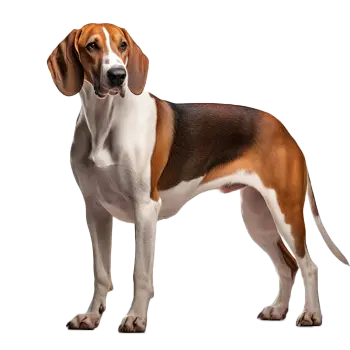

Space Requirements

The American Foxhound is a large, athletic breed that was developed to cover vast stretches of open countryside. This heritage translates into a dog that needs significantly more living space than many breeds of comparable size. While they can adapt to various home environments, they are at their best with access to a large, securely fenced yard where they can move freely and burn energy between structured exercise sessions.

Indoor space should allow the dog to stretch out fully and move from room to room without feeling confined. A Foxhound that is consistently cramped or restricted in tight quarters is more likely to develop restlessness, excessive vocalization, and destructive behavior. Open floor plans and rooms free of fragile items at tail height tend to work best for this long-bodied, enthusiastic breed.

Apartment living is possible but demands a significant commitment to daily outdoor exercise. Without adequate physical outlets, an American Foxhound in a small space will find its own entertainment, often at the expense of furniture, shoes, or door frames. If apartment living is the only option, plan for at least two substantial outdoor sessions per day, supplemented by mental enrichment indoors.

Fencing deserves special attention. American Foxhounds are scent-driven and will follow a compelling trail with single-minded determination, often ignoring recall commands entirely. A secure fence of at least five to six feet is recommended, with consideration given to dig-proofing the base. Invisible or electronic fences are generally unreliable for this breed, as a strong scent trail can override the deterrent.

Crates & Kennels

A properly sized crate serves as a valuable management tool for American Foxhounds, particularly during house training and when unsupervised time is unavoidable. For an adult Foxhound, look for a crate that is at least 42 to 48 inches long, allowing the dog to stand without crouching, turn around comfortably, and lie down fully extended. Wire crates offer excellent ventilation and visibility, while heavy-duty plastic or aluminum crates provide a more enclosed, den-like feel.

Durability matters with this breed. American Foxhounds are not typically aggressive chewers of crate materials, but a bored or anxious dog can bend lightweight wire panels or crack thin plastic walls. Invest in a crate with reinforced corners, secure latch mechanisms, and gauge wire thick enough to withstand sustained pressure. Double-door designs offer flexibility in placement and access.

Crate training should be approached gradually and positively. The crate should be associated with rest, safety, and reward rather than punishment or prolonged isolation. Foxhounds are social dogs that can develop separation anxiety if crated for excessive periods. As a general guideline, an adult dog should not be crated for more than four to six hours at a stretch during the day.

For households that use kennels as outdoor enclosures, chain-link kennel panels with a covered top provide a secure temporary containment area. Ensure the kennel floor is comfortable — concrete with a raised bed, rubber matting, or clean gravel all work — and that shade and water are always available. An outdoor kennel is not a substitute for indoor family time but can serve as a safe space during yard maintenance or when guests visit.

Beds & Sleeping Areas

American Foxhounds tend to be enthusiastic sleepers that sprawl across any available surface. A bed large enough to accommodate a fully stretched-out dog is essential. Rectangular or oval beds measuring at least 36 by 28 inches work for most adults, though larger options are often appreciated. Bolstered beds with raised edges can provide a sense of security and a place to rest the head, which many Foxhounds seem to enjoy.

Orthopedic beds with memory foam or high-density support foam are a worthwhile investment, especially as the dog ages. The breed's active lifestyle puts continuous stress on joints, and a supportive sleeping surface can help prevent pressure sores and ease stiffness. Look for beds with at least three to four inches of quality foam rather than thin pads that compress flat within a few months.

Washability is a practical priority. American Foxhounds have a short, dense coat that sheds moderately year-round. Beds with removable, machine-washable covers make maintenance far easier. Water-resistant or waterproof liners beneath the cover protect the foam core from accidents, drool, and wet-dog moisture after outdoor adventures.

Placement matters as much as the bed itself. Foxhounds are pack-oriented dogs that prefer sleeping near their family. Positioning the bed in a common area like a living room or bedroom allows the dog to rest while maintaining social proximity. Avoid drafty locations, direct heat sources, and high-traffic pathways where the dog might be repeatedly disturbed.

Outdoor Enclosures

For American Foxhound owners with property, a well-designed outdoor enclosure provides safe, independent exercise space that accommodates the breed's need for movement and scent exploration. The enclosure should be large enough to allow genuine running, not just pacing — a minimum of 200 square feet for a single dog, with significantly more space being ideal.

Fencing height and construction are the most critical factors. As previously noted, a minimum height of five to six feet is recommended, and the fence should extend below ground level or include a concrete footer to prevent digging underneath. Welded wire, chain link, and solid wood panel fencing all work, though solid panels have the added benefit of reducing visual stimulation from passing animals or pedestrians that might trigger the dog's chase instinct.

Shade structures, whether natural tree cover, shade sails, or a covered section of the enclosure, are non-negotiable. American Foxhounds can overheat during extended time outdoors in warm weather, and access to shade allows them to self-regulate their temperature. A water station with a spill-resistant bowl or automatic waterer ensures constant hydration.

Ground cover in the enclosure affects both comfort and maintenance. Natural grass provides a pleasant surface but requires ongoing care and can become muddy. Pea gravel drains well and is easy to clean but may be uncomfortable for extended lying down. Artificial turf designed for pet use offers a balance of comfort, drainage, and low maintenance, though it can retain heat in direct sunlight and should be paired with adequate shade.

Climate Considerations

The American Foxhound's short, dense coat provides moderate protection against cool weather but limited insulation in true cold. In regions with harsh winters, outdoor time should be managed carefully, and the dog's primary living space should be climate-controlled indoors. If the dog spends time in an unheated garage, mudroom, or outdoor kennel during cooler months, an insulated dog house or heated bed pad can provide necessary warmth.

Insulated dog houses should be sized to retain body heat without being so large that warmth dissipates. The interior should be just big enough for the dog to enter, turn around, and lie down. Raised floors prevent ground-level cold transfer, and a flap or offset door design reduces wind intrusion. Bedding material like straw or cedar shavings adds insulation, though fabric blankets can retain moisture and should be avoided in unheated spaces.

Heat presents a more significant risk for this active breed. American Foxhounds will often continue exercising beyond the point where they should stop, making heat exhaustion a real concern during summer months. Outdoor enclosures and exercise areas should offer ample shade, and outdoor time during peak heat hours should be limited. Cooling mats, elevated mesh cot-style beds, and shallow wading pools can all help the dog regulate body temperature.

Humidity compounds heat stress and should be factored into outdoor management. In hot, humid climates, early morning and late evening are the safest windows for outdoor activity. Indoor spaces should maintain comfortable temperatures through air conditioning or adequate ventilation, and the dog should always have access to fresh, cool water regardless of the season.

Multi-Pet Households

American Foxhounds were bred to work in packs and generally integrate well into multi-dog households. Their social nature and relatively low dominance drive make them compatible with a wide range of canine companions. However, introducing a new dog to the home should still be handled with a structured introduction protocol — neutral territory meetings, supervised shared time, and gradual integration over days or weeks.

When housing multiple dogs, each animal should have its own designated resting space. Even pack-oriented breeds benefit from the option to retreat to a personal area when they need downtime. Separate crates, beds, or sleeping zones reduce competition and give each dog a sense of ownership over their space. Shared sleeping areas can develop naturally as the dogs bond but should not be forced.

Feeding stations should be separated to prevent resource guarding. While American Foxhounds are not typically aggressive around food, the breed's strong food motivation can create tension if dogs feel their meals are threatened. Feeding in separate rooms or at staggered times eliminates this potential conflict entirely.

Households that include cats or small animals require additional caution. The American Foxhound's prey drive is deeply ingrained, and even a well-socialized Foxhound may chase small, fast-moving animals. Physical barriers such as baby gates with cat-sized pass-throughs, separate living zones, and supervised interactions are essential. Some individual Foxhounds can learn to coexist peacefully with cats, but this should never be assumed and always requires careful management during the adjustment period.

Always consult a qualified professional before making any health-related decisions. This content is provided for informational reference only and should not replace professional guidance specific to your animal.