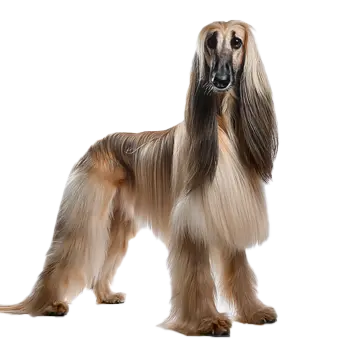

Afghan Hounds are a lean, athletic sighthound breed with a metabolism that reflects their heritage as coursing dogs built for speed and endurance. Despite their large frame, they tend to carry less body fat than many breeds of comparable height, which means their caloric needs can be deceptive. An adult Afghan Hound in good condition typically requires a diet rich in high-quality animal protein and moderate healthy fats to maintain muscle tone and fuel their active bursts of energy.
One of the most distinctive features of the Afghan Hound is its long, silky coat, and nutrition plays a direct role in coat health. Diets deficient in omega-3 and omega-6 fatty acids will show up quickly in dull, brittle, or thinning hair. Essential fatty acids sourced from fish oils, flaxseed, or similar ingredients are not optional luxuries for this breed — they are foundational to keeping the coat in show-worthy condition even for companion dogs.
Afghan Hounds can also be prone to bloat, a serious and potentially life-threatening condition common in deep-chested breeds. This risk factor should inform not just what you feed but how you feed. Smaller, more frequent meals and avoiding vigorous exercise immediately before or after eating are widely recommended precautions. Choosing a food with appropriate kibble size and digestibility can also contribute to reducing this risk.
Because Afghan Hounds are naturally lean, it is important to monitor body condition rather than relying solely on weight charts. You should be able to feel the ribs without pressing hard, and there should be a visible waist when viewed from above. Overfeeding to fill out a naturally slim frame is a common mistake that can lead to joint stress and other health complications over time.