
Space Requirements

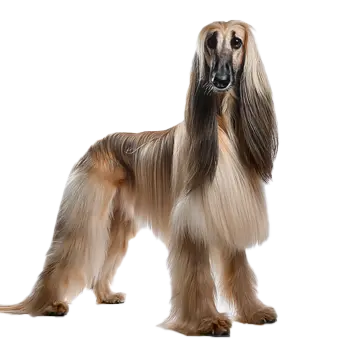
Afghan Hounds are tall, long-legged dogs that need more room than their moderate weight might suggest. An adult Afghan stands 25 to 27 inches at the shoulder and can stretch out to a surprising length when lying down, which means tight quarters feel cramped quickly. While they are not hyperactive indoors — many Afghan Hounds are remarkably calm and even couch-potato-like at home — they need enough space to move freely without constantly navigating around furniture.

A securely fenced yard is one of the most important housing considerations for this breed. Afghan Hounds are sighthounds with a powerful prey drive, and they can reach speeds exceeding 40 miles per hour. A standard four-foot fence is completely inadequate; most Afghan Hound owners recommend a minimum fence height of six feet, and even that may not deter a motivated jumper. Privacy fencing that blocks the dog's line of sight to passing animals or pedestrians can help reduce the temptation to chase and leap.

For apartment or condo living, Afghan Hounds can adapt surprisingly well provided they receive adequate daily exercise. The key is committing to regular outdoor time — long walks, off-leash runs in enclosed areas, or lure coursing opportunities — to compensate for limited indoor space. Without sufficient physical outlets, even a calm Afghan Hound can develop restlessness and destructive habits.

Indoors, designate a quiet retreat area where your Afghan Hound can rest undisturbed. This breed values its personal space and tends to seek out comfortable, somewhat secluded spots for downtime. A corner of the living room with a quality bed, away from high-traffic pathways, makes an ideal home base.

Crates & Kennels

Selecting the right crate for an Afghan Hound means prioritizing height and length. Standard large-breed crates often fall short in one dimension or the other for this tall, leggy dog. Look for extra-large or giant crates that offer at least 48 inches in length, and verify the interior height allows your dog to stand comfortably without ducking. Wire crates are generally preferable because they provide better airflow, which helps prevent the long coat from becoming damp and matted in an enclosed space.

Crate training should be approached with patience and positive reinforcement. Afghan Hounds are independent thinkers and may resist being confined if the crate is introduced as a punishment or restriction. Start with short periods, door open, treats inside, and gradually build up duration. The goal is for the crate to become a voluntary retreat — a den your dog chooses to enter — rather than a holding cell. Many Afghan Hounds will never love their crate the way some breeds do, but they can learn to accept it as a safe resting place.

For travel, collapsible wire crates or heavy-duty plastic airline-style kennels are both viable options. If you fly with your Afghan Hound, airline-approved kennels must meet specific dimension and ventilation requirements, so check with your carrier well in advance. For car travel, a crate secured in the cargo area of an SUV or wagon keeps your dog safe and prevents the long coat from getting tangled in seat belts or door mechanisms.

Avoid soft-sided crates for Afghan Hounds unless you are confident your dog is fully crate-trained and calm when confined. A bored or anxious Afghan can shred fabric panels quickly, creating both a mess and a potential escape hazard. Wire or hard-sided options are more durable and better suited to the breed's strength.

Beds & Sleeping Areas

Afghan Hounds are drawn to comfort, and investing in a high-quality bed pays dividends in coat health and joint support. Orthopedic beds with memory foam or high-density foam cores are excellent choices, particularly for older dogs or those recovering from activity. The bed should be large enough for the dog to stretch out fully — Afghan Hounds often sleep on their sides with legs extended, so measure your dog in that position before purchasing.

Elevated or cot-style beds are another strong option for Afghan Hounds. These designs keep the dog off the floor, improving air circulation around and beneath the coat. This airflow helps prevent the matting and moisture buildup that can occur when a long-coated dog sleeps on a flat surface for extended periods. Elevated beds are also easier to clean and tend to stay cooler in warm weather, which benefits a breed that can overheat under all that hair.

Cover material matters more for an Afghan Hound than for most breeds. The long, fine coat can snag on rough fabrics, zippers, or velcro closures, leading to tangles and breakage. Look for beds with smooth, tightly woven covers — microfiber and canvas work well — and avoid anything with exposed hardware. Removable, machine-washable covers are essential because the coat will shed and transfer oils to the bedding over time.

Many Afghan Hound owners find that their dogs claim furniture regardless of how many beds are provided. If you choose to allow your dog on the sofa or bed, consider protective covers to manage hair and keep upholstery clean. If you prefer to keep furniture off-limits, providing a truly premium dog bed in the same room where the family gathers is the best strategy — the dog wants to be near you, just on its own terms.

Outdoor Enclosures

Outdoor enclosures for Afghan Hounds must be escape-proof first and comfortable second. As mentioned, a minimum six-foot fence is necessary, and many owners add coyote rollers or inward-angled extensions at the top to prevent the dog from gaining purchase for a jump. Chain-link fencing works structurally but allows the dog to see through, which can trigger prey-driven attempts to chase squirrels, cats, or other animals. Solid wood or vinyl privacy fencing reduces visual stimulation and tends to produce a calmer dog in the yard.

If you use a dedicated outdoor kennel run rather than a full yard, size it generously. A run that allows at least 15 to 20 feet of length gives an Afghan Hound room to trot and stretch. Include a covered section for shade and rain protection, as this breed's coat can become waterlogged quickly and takes a long time to dry. A concrete or paver base is easier to clean and more hygienic than bare dirt, which turns to mud and creates a grooming nightmare.

Never leave an Afghan Hound unattended outdoors for extended periods. Beyond the escape risk, the breed does not tolerate extreme temperatures well. Their lean build offers little insulation against cold despite the long coat, and in hot weather the heavy hair can trap heat dangerously. Outdoor time should be supervised and supplemented with indoor rest periods in a climate-controlled environment.

For properties with unfenced acreage, a long-line tether attached to a secure ground stake or overhead cable can provide some outdoor freedom, but it is a distant second choice to a proper fence. Afghan Hounds can build up considerable speed even on a long line and risk injury from sudden stops. If tethering is your only option, use a harness rather than a collar to distribute any sudden force across the chest rather than the neck.

Climate Considerations

Despite their luxurious coat, Afghan Hounds are not cold-weather dogs in the way that breeds like Huskies or Malamutes are. The Afghan coat is silky and fine rather than dense and insulating, and the breed's lean body carries very little subcutaneous fat. In cold climates, many Afghan Hounds benefit from a lined coat or sweater for outdoor walks when temperatures drop below freezing, particularly if the dog has been groomed with a shorter trim.

Heat is a more pressing concern for most Afghan Hound owners. The long coat can act as an insulating blanket in warm weather, trapping body heat and raising the risk of overheating. During summer months, provide access to air-conditioned spaces, shade, and fresh water at all times. Avoid strenuous exercise during the hottest parts of the day, and watch for signs of heat stress such as excessive panting, drooling, or lethargy.

Humidity compounds both temperature extremes for this breed. In humid environments, the coat takes longer to dry after bathing or rain, creating conditions favorable to skin infections and hot spots. In dry climates, the coat can become brittle and prone to static, leading to breakage and tangles. A humidifier or dehumidifier in the primary living area can help maintain a comfortable environment for both the dog and the coat.

Flooring matters in climate management as well. Tile and hardwood floors stay cool in summer, which Afghan Hounds appreciate, but they can be uncomfortably cold in winter. Providing rugs or mats in the dog's primary resting areas gives them the option to seek warmth from the floor when needed without restricting their access to cool surfaces during hot months.

Multi-Pet Households

Afghan Hounds generally coexist well with other dogs of similar size, though introductions should be managed carefully. The breed's independent nature means they are rarely aggressive, but they can be aloof with unfamiliar animals and may not welcome an overly enthusiastic housemate. Pairing an Afghan Hound with a calm, respectful companion tends to produce a more harmonious household than pairing with a high-energy, in-your-face breed.

Small animals require careful consideration in an Afghan Hound household. The breed's sighthound heritage includes a strong prey drive that can be triggered by small, fast-moving animals — cats, rabbits, ferrets, and similar pets may be at risk. Some Afghan Hounds can learn to live peacefully with cats, especially if raised together from a young age, but the instinct to chase is deeply ingrained and should never be assumed to be fully suppressed. Physical separation and supervised interactions are prudent even in established multi-species homes.

Feeding stations should be separated in multi-pet households. While Afghan Hounds are not typically food-aggressive, the stress of competing for resources can trigger behavioral changes in any dog. Individual feeding areas, ideally in different rooms or behind baby gates, allow each pet to eat at its own pace without anxiety. This is doubly important if the Afghan Hound is on a specialized diet that differs from the other pets' food.

Sleeping arrangements in multi-pet homes should also respect the Afghan Hound's preference for personal space. Provide each dog with its own bed in a location where it will not be disturbed by the other animals. Afghan Hounds that feel crowded or constantly interrupted during rest periods can become stressed and withdrawn, which may manifest as avoidance behaviors or, in some cases, snappishness that is out of character for the breed.

Always consult a qualified professional before making any health-related decisions. This content is provided for informational reference only and should not replace professional guidance specific to your animal.