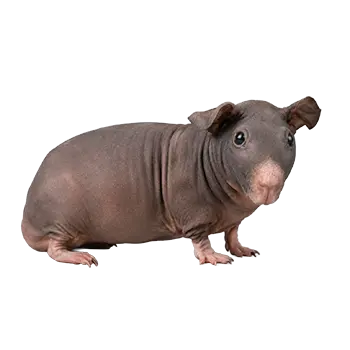

Play Style & Drive

Skinny guinea pigs share the same playful, curious temperament found across cavy breeds, and they benefit enormously from a stimulating environment. Their play style is characterized by exploration, foraging, and brief bursts of energetic activity like popcorning and zoomies. Understanding these natural behaviors is key to selecting toys and enrichment activities that your Skinny will actually use rather than ignore.

Guinea pigs are prey animals, so their play tends to be low to the ground and centered on investigation rather than aggressive interaction. They enjoy nosing into new objects, pushing lightweight items around, and discovering hidden food. Toys that tap into these foraging and exploratory instincts will see the most engagement, while toys that require climbing, jumping, or aggressive manipulation tend to go unused.

Skinnies are often described as slightly more outgoing and interactive than some furred breeds, possibly because they have been selectively bred in environments with extensive human handling. This means many Skinnies respond well to interactive play sessions where the owner participates, whether that involves hand-feeding treats through a puzzle or gently rolling a ball toward the pig during floor time.

Keep in mind that all enrichment items for Skinny guinea pigs must be evaluated with their bare skin in mind. Rough surfaces, sharp edges, splintery wood, and abrasive materials that a furred pig might tolerate without issue can scratch, scrape, or irritate a Skinny's exposed skin. Smooth, rounded, and soft-textured toys are always the safer choice.

Foraging & Puzzle Toys

Foraging is the single most natural and rewarding form of enrichment for guinea pigs. In the wild, cavies spend a significant portion of their waking hours searching for and consuming grasses and plants. Replicating this behavior in captivity provides mental stimulation that keeps boredom and associated behavioral problems at bay. Simple foraging setups can be as effective as elaborate commercial products.

Scattering hay across different areas of the enclosure rather than piling it in one location encourages movement and investigation. Stuffing hay into toilet paper tubes, paper bags, or clean cardboard boxes creates easy foraging puzzles that most guinea pigs figure out quickly and enjoy repeatedly. These disposable options have the added benefit of being essentially free and endlessly renewable.

Commercial puzzle feeders designed for small animals offer a step up in complexity. Look for designs that require the pig to lift flaps, slide covers, or nudge compartments to access hidden vegetable pieces or pellets. Start with the simplest difficulty setting and increase complexity gradually as your pig learns the mechanism. Frustration from an overly difficult puzzle can discourage rather than enrich.

Food-dispensing balls and rolling treat toys designed for guinea pigs can provide entertainment, but choose designs that are appropriately sized and weighted for a small cavy. The toy should move easily when nudged by a guinea pig's nose without requiring the pig to push with its full body weight. Openings should dispense food readily enough that the pig receives frequent rewards and stays motivated to continue interacting.

Chew Toys & Dental Health

Chewing is not just play for guinea pigs — it is a physiological necessity. Their teeth grow continuously throughout their lives, and without adequate opportunities to grind and wear them down, dental problems can develop that are painful and expensive to treat. Providing a variety of safe chew toys throughout the enclosure ensures your Skinny always has access to appropriate gnawing surfaces.

Apple wood sticks, willow sticks, and pear wood sticks are among the safest and most popular natural chew options. These hardwoods are non-toxic, provide satisfying resistance, and many guinea pigs find the subtle flavor appealing. Avoid any wood that has been treated, painted, or sourced from unknown trees, as chemical residues can be harmful when ingested.

Woven grass and hay-based chew toys offer a softer alternative that combines chewing with foraging. Grass mats, twisted hay sticks, and braided timothy rings are widely available and tend to be consumed entirely over time, making them a dual-purpose food and enrichment item. These are particularly good for guinea pigs that show less interest in hard wood chews.

Mineral chews and salt licks are frequently sold alongside guinea pig supplies, but their necessity is debatable. A guinea pig eating a balanced diet with quality pellets and fresh vegetables typically receives adequate minerals without supplementation. Excessive mineral intake can actually be harmful. If you choose to offer a mineral chew, monitor consumption and remove it if the pig gnaws excessively rather than occasionally.

Tunnels & Exploration Toys

Tunnels are consistently among the most popular enrichment items for guinea pigs of all breeds. Cavies love running through enclosed passages, pausing inside to rest, and using tunnels as alternate pathways between different areas of their enclosure. For Skinny guinea pigs, fabric tunnels with fleece or soft cotton interiors are the best choice, as they are gentle on bare skin and provide a warm, cozy passageway.

Rigid tunnels made from untreated wood or smooth plastic can also work well, provided they are wide enough for a guinea pig to pass through comfortably without rubbing its sides against the walls. A tunnel that is too narrow will either go unused or can cause skin abrasion on a hairless pig. Look for tunnels with a minimum internal diameter of five to six inches for standard-sized adults.

Bridges, ramps, and low platforms add vertical variety to an enclosure without requiring dangerous climbing. Guinea pigs enjoy having elevated vantage points where they can survey their surroundings, and a low platform with a gentle ramp approach serves this purpose safely. Cover all walking surfaces with fleece or another soft material to protect Skinny feet and skin from hard or rough textures.

Rotating toys and rearranging the enclosure layout every week or two provides novelty without requiring constant purchases. Guinea pigs notice and investigate changes in their environment, and simply moving a tunnel to a new position or swapping the locations of hides and platforms can reignite exploratory interest in familiar items.

Comfort & Companion Items

While no object replaces the companionship of a living cage mate, comfort items play a meaningful role in a Skinny guinea pig's daily life. Fleece snuggle sacks, cuddle cups, and padded hammocks provide warm resting spots that many Skinnies gravitate toward throughout the day. These items serve both as enrichment and as functional warmth sources for a breed that lacks natural insulation.

Some guinea pigs develop attachments to specific comfort items, returning to the same cuddle cup or burrowing into the same fleece pouch consistently. Having multiple comfort items available in different areas of the enclosure allows the pig to choose its preferred resting spot based on mood, temperature, and time of day. Wash these items regularly to prevent buildup of oils and waste.

Soft, lightweight plush toys sized for small animals can provide something for a guinea pig to lean against or nestle beside, though individual interest in stuffed companions varies widely. Some pigs ignore them entirely while others seem to enjoy the physical contact. Remove any plush item immediately if the pig begins chewing it aggressively, as ingesting synthetic filling material can cause intestinal blockage.

Floor time outside the enclosure is itself a powerful form of enrichment. Set up a safe, enclosed play area on the floor with fleece blankets, tunnels, hides, and scattered hay. Supervised floor time gives your Skinny the opportunity to explore a larger space, interact with family members at ground level, and experience new textures and environments. Ensure the play area is draft-free and warm enough for a hairless pig.

DIY & Budget Options

Some of the best guinea pig enrichment costs nothing at all. Cardboard boxes with guinea pig-sized doorways cut into the sides make excellent hides and exploration structures. Paper bags stuffed with hay create foraging puzzles that pigs will happily shred apart. Toilet paper and paper towel rolls filled with hay or small vegetable pieces offer quick, disposable chew-and-forage toys.

A simple fleece forest can be created by cutting fleece strips and attaching them to the top of a cardboard arch or tunnel frame so they dangle down like curtains. Guinea pigs enjoy pushing through the strips, and the sensory experience of soft fabric brushing against their bodies is particularly well-suited to Skinnies, who seem to enjoy tactile contact with soft materials.

Creating a dig box from a shallow container filled with crumpled paper, shredded tissue, or clean hay gives guinea pigs an outlet for their natural digging and burrowing instincts. Hide a few small vegetable pieces at the bottom for added motivation. Use only plain, unprinted, unbleached paper to avoid exposing your pig to inks or chemical treatments.

Rotating homemade toys keeps things fresh without any ongoing expense. Maintain a collection of simple items — different sized boxes, tubes, paper bags, fabric scraps — and swap them in and out of the enclosure on a regular schedule. The novelty factor is what drives engagement, so even a previously used item becomes interesting again after a period of absence. This approach is both budget-friendly and genuinely effective at preventing the boredom that can lead to lethargy and overeating.

Always consult a qualified professional before making any health-related decisions. This content is provided for informational reference only and should not replace professional guidance specific to your animal.