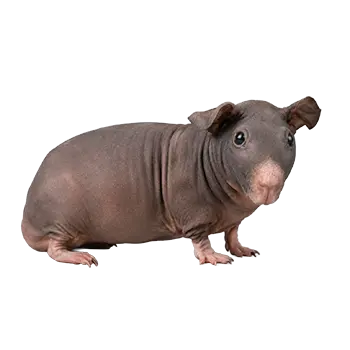

Temperature & Humidity Monitors

For Skinny guinea pigs, environmental monitoring is not a luxury — it is a practical necessity. Their hairless bodies lack the natural insulation that furred breeds rely on, making them acutely sensitive to temperature fluctuations that other guinea pigs might barely notice. A digital thermometer and hygrometer placed at enclosure level provides real-time readings of the conditions your pig actually experiences, which can differ significantly from the general room temperature shown on a wall thermostat.

Wireless sensor units that connect to a smartphone app offer the most useful monitoring experience for Skinny owners. These devices log temperature and humidity data continuously, allowing you to review trends over hours and days rather than relying on a single point-in-time reading. Many models also support configurable alerts that notify you when conditions fall outside a safe range, which is particularly valuable during seasonal transitions or unexpected weather events.

Placing sensors correctly matters as much as choosing the right device. Position the sensor at the same height as your guinea pig's living surface, away from heat sources, air conditioning vents, and windows. A reading taken at counter height or mounted on a wall several feet above the enclosure will not accurately reflect what the pig is experiencing on the cage floor. If your enclosure spans a large area, consider placing sensors at both the warmest and coolest points to understand the full thermal range.

For owners in climates with significant seasonal variation, historical data from a connected sensor can reveal patterns that inform smarter housing decisions. You might discover that the room temperature drops below the safe threshold for several hours each night during winter, prompting you to add a supplemental heat source overnight. Without continuous monitoring, these transient dips can go unnoticed while still affecting your Skinny's health and comfort.

Pet Cameras & Home Monitoring

A small pet camera positioned near the enclosure lets you observe your Skinny guinea pigs remotely during work hours, travel, or any time you are away from home. Beyond the reassurance of checking in, cameras provide genuine diagnostic value. Behavioral changes — reduced activity, hunched posture, reluctance to eat, or isolation from cage mates — are often the earliest indicators of illness, and catching these signs during an afternoon check can mean the difference between a prompt veterinary visit and a delayed one.

Look for cameras with reliable night vision capability, since guinea pigs are crepuscular and some of their most active periods occur in low-light conditions during dawn and dusk. High-definition resolution helps you observe subtle details like skin condition, eye clarity, and movement quality that are difficult to assess in a grainy or low-resolution feed. Two-way audio can be a bonus feature that allows you to speak to your pigs, though its practical value is secondary to visual monitoring.

Wide-angle lenses are generally preferable to fixed-view cameras for guinea pig monitoring because they capture more of the enclosure in a single frame. Pan-and-tilt models offer even greater flexibility but tend to be more expensive. For most setups, a single wide-angle camera mounted above or beside the enclosure provides sufficient coverage to observe activity, eating, and social interactions.

Cloud storage or local SD card recording allows you to review footage after the fact, which can be useful when discussing behavioral concerns with a veterinarian. Being able to show a vet a video of the behavior you are worried about is far more informative than trying to describe it verbally. Some camera apps also support motion-triggered recording, which captures activity clips without storing hours of empty footage.

Smart Feeders & Water Monitoring

Automated hay feeders and pellet dispensers are less common for guinea pigs than for dogs or cats, but some models designed for small animals can serve a useful role in a Skinny guinea pig setup. Timed pellet dispensers ensure that a measured portion is available at the same time each day, which supports consistent feeding routines even when the owner's schedule is unpredictable. However, they should supplement rather than replace hands-on feeding, since daily interaction during feeding is an important opportunity to assess your pig's condition.

Water level monitors or smart water bottles that track consumption can alert you to changes in drinking patterns, which is one of the more reliable early indicators of health problems in guinea pigs. A sudden decrease in water intake might signal dental pain, illness, or a malfunctioning water bottle, while increased consumption could indicate metabolic issues. Simple bottle-mounted gauges that show the water level at a glance are the most practical option for most owners.

Smart water fountains designed for small pets are an emerging category, though their suitability for guinea pigs remains limited. Guinea pigs typically prefer still water from a sipper bottle or bowl over flowing water, and the motor noise from a fountain can be stressful in the quiet environment guinea pigs prefer. If you are considering a fountain, ensure it operates nearly silently and offers a still-water drinking option alongside any flowing feature.

Regardless of automation, fresh water must be checked and refreshed manually every day. No technology replaces the hands-on verification that water is flowing freely, the bottle is not clogged, and the supply is clean. Automated systems work best as a backup layer rather than a primary care method, ensuring that your Skinny has access to food and water even if your return home is delayed.

Digital Scales & Health Tracking

A digital kitchen scale accurate to one gram is arguably the single most important piece of technology a guinea pig owner can invest in. Weekly weigh-ins provide objective health data that no amount of visual observation can match, because guinea pigs instinctively hide signs of illness until a condition has progressed significantly. A consistent downward trend in weight often reveals a developing problem weeks before other symptoms become visible.

Record each pig's weight in a dedicated log, whether that is a simple notebook, a spreadsheet, or a pet health tracking app on your phone. Date each entry and note any observations about appetite, behavior, or appearance alongside the weight. Over time, this log builds a health profile that is invaluable during veterinary consultations and helps you distinguish between normal fluctuations and concerning trends.

For Skinny guinea pigs specifically, weight monitoring is especially important because their higher metabolic rate means they can lose condition more rapidly than furred breeds when something goes wrong. A weight loss of more than fifty grams over the course of a week, or any sudden drop, warrants closer observation and likely a veterinary check. Conversely, steady weight gain in an adult pig may indicate overfeeding or reduced activity that needs to be addressed.

Some owners expand their tracking to include daily food intake measurements, noting how much hay, pellets, and fresh food are consumed. While this level of detail is not necessary for every pig, it can be extremely helpful when managing a Skinny with a known health condition, monitoring recovery from illness, or tracking the dietary adjustment period after introducing a new food or supplement.

Smart Home Integration

Smart thermostats can be configured to maintain the specific temperature range that Skinny guinea pigs require, automatically adjusting heating or cooling to prevent dangerous dips or spikes. Setting the thermostat to hold the room between seventy-two and seventy-eight degrees provides consistent comfort without requiring manual intervention. Some systems allow room-specific temperature scheduling, which is useful if the guinea pig room has different needs than the rest of the house.

Smart plugs offer a simple and affordable way to automate supplemental heat sources like ceramic heat emitters or heating pads on timers. Programming a small animal heating pad to activate during nighttime hours when room temperatures naturally drop, and to shut off during warmer daytime periods, provides a hands-free warmth management solution. Always pair any automated heat source with a temperature sensor so you can verify that conditions remain safe.

Smart lighting can replicate a consistent day-night cycle for your guinea pigs, which supports healthy circadian rhythms. Guinea pigs benefit from ten to twelve hours of light followed by twelve to fourteen hours of darkness. Programmable smart bulbs or outlet timers connected to a room lamp ensure this cycle remains constant regardless of seasonal daylight changes or your own household schedule.

Integrating multiple smart devices into a single app or home automation platform creates a cohesive monitoring dashboard where you can check temperature, humidity, camera feeds, and device status from one interface. This consolidated view makes it easier to spot issues quickly and respond appropriately. However, smart home technology should always be treated as a supplement to attentive daily care, never a replacement for it. No sensor or camera substitutes for the information you gather by handling your guinea pig, observing it up close, and engaging with it directly every day.

Veterinary Telehealth

Telehealth services for exotic pets have expanded significantly, giving guinea pig owners access to veterinary guidance without the stress and logistics of transporting a small, temperature-sensitive animal to a clinic. Virtual consultations are well suited to initial assessments of non-emergency concerns, follow-up appointments after in-person visits, behavioral questions, dietary guidance, and second opinions on treatment plans.

For Skinny guinea pigs, telehealth is particularly useful for skin-related consultations. Because their skin is fully visible without fur obscuring the view, a clear photograph or video call can give a veterinarian enough visual information to assess rashes, dry patches, bumps, or discoloration and determine whether an in-person examination is needed. Having a good camera and adequate lighting during the call significantly improves the veterinarian's ability to evaluate skin condition remotely.

Telehealth has clear limitations and should not be used as a substitute for in-person care when a guinea pig is showing signs of serious illness. Labored breathing, refusal to eat for more than twelve hours, significant weight loss, blood in urine or stool, and visible injury all require hands-on veterinary examination and possibly diagnostic imaging or lab work that cannot be performed remotely.

When choosing a telehealth provider, confirm that the veterinarian has experience with exotic small animals and guinea pigs specifically. General practice veterinarians who primarily treat dogs and cats may lack the specialized knowledge that cavy medicine requires. Many exotic veterinary practices now offer their own telehealth portals, and using one that already has your pig's medical history on file ensures continuity of care and more informed consultations.

Always consult a qualified professional before making any health-related decisions. This content is provided for informational reference only and should not replace professional guidance specific to your animal.