
Space Requirements

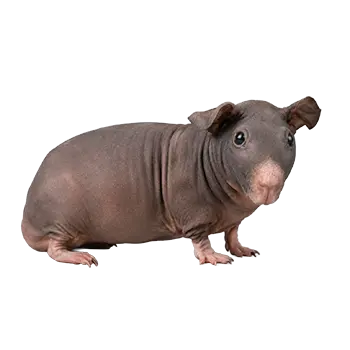
Skinny guinea pigs need the same generous floor space as any cavy breed, with a minimum of seven and a half square feet for a single pig and at least ten and a half square feet for a pair. Because Skinnies are social animals that should always be kept with at least one companion, planning for a pair-sized enclosure from the start is strongly recommended. Cramped quarters lead to stress, territorial disputes, and a range of behavioral and health problems.

Floor space matters far more than vertical height for guinea pigs, as they are ground-dwelling animals that do not climb. A wide, open layout encourages natural behaviors like popcorning, zoomies, and foraging. Long rectangular enclosures tend to work better than square ones of equivalent area because they provide running lanes that guinea pigs instinctively enjoy.

The enclosure should be positioned in a living area where the pigs can observe household activity and receive regular social interaction, but away from direct sunlight, heating vents, and drafty windows. Skinnies are particularly sensitive to temperature fluctuations, so placement in a climate-stable part of the home is essential. The ideal ambient temperature range for hairless guinea pigs is between seventy-two and seventy-eight degrees Fahrenheit.

Multi-level enclosures with ramps can add enrichment and exploration opportunities, but the primary living area should remain on a single level. Ramps must be wide, gently sloped, and covered with a non-slip surface to prevent foot injuries. Guinea pigs are not naturally agile climbers, and steep or narrow ramps can cause falls or simply go unused.

Enclosure Types

C&C-style enclosures built from grid panels and corrugated plastic bases remain the most popular and practical housing option for guinea pigs. They offer maximum customization in terms of size and layout, are easy to expand as your herd grows, and provide excellent ventilation. The open-top design also makes daily interaction and spot cleaning simple and convenient.

Commercial cages sold at pet stores are frequently too small for guinea pigs, even when marketed specifically for them. If choosing a manufactured cage, measure the actual floor dimensions carefully and compare against minimum space recommendations. Many owners find that store-bought cages work best as a starter base that is then extended with additional panels or connected to a secondary enclosure.

Midwest-style habitats with canvas bottoms offer a middle ground between custom-built and commercial options. They fold flat for storage, set up quickly, and provide adequate space for a pair of guinea pigs. However, the canvas bottom can be difficult to clean thoroughly over time, and some Skinnies may chew through the fabric if it remains exposed without a protective liner.

Glass aquariums and enclosed plastic habitats should be avoided entirely. These enclosures trap heat and ammonia from urine, creating a stagnant environment that is harmful to respiratory health. Guinea pigs need consistent airflow across their living space, and enclosed housing works against this fundamental requirement.

Bedding & Substrates

Bedding selection is especially important for Skinny guinea pigs because their exposed skin comes into direct and constant contact with whatever lines the enclosure floor. Fleece liners are widely considered the best option for hairless breeds. They wick moisture away from the surface, keep the pig dry, and provide a soft, warm layer that is gentle on bare skin. Fleece liners require an absorbent underlayer such as a puppy pad or U-haul furniture pad to function properly.

Paper-based bedding is another suitable option and works well for owners who prefer disposable substrates over reusable ones. It is dust-free, absorbent, and soft enough to avoid skin irritation. Avoid any paper bedding that has been treated with baking soda or fragrance, as these additives can irritate a Skinny's sensitive respiratory system and skin.

Cedar and pine shavings should never be used for guinea pigs of any breed. The aromatic oils in these softwoods are toxic to small animals and cause respiratory damage with prolonged exposure. Kiln-dried pine is sometimes considered safer, but paper or fleece remains the better choice, especially for a hairless breed with heightened skin sensitivity.

Regardless of bedding type, the enclosure needs daily spot cleaning and a full bedding change or liner wash at least once a week. Skinnies produce the same amount of waste as furred guinea pigs, and because their skin is always in contact with the substrate, maintaining a clean environment is critical for preventing skin infections, fungal issues, and bumblefoot.

Hides & Shelters

Every guinea pig needs access to at least one hide per animal in the enclosure, plus one extra to prevent resource guarding. Hides serve as essential retreat spaces where pigs can feel safe, rest undisturbed, and regulate their stress levels. For Skinnies, enclosed hides also provide an extra layer of warmth and protection from drafts that their furless bodies cannot buffer on their own.

Fleece-lined hides, cuddle cups, and snuggle sacks are ideal for Skinny guinea pigs. These soft fabric shelters provide insulation and warmth while remaining easy to wash and sanitize. Many Skinnies develop strong preferences for burrowing into fabric pouches, and having several available throughout the enclosure encourages natural nesting behavior.

Wooden hides and tunnels add variety and serve the dual purpose of providing shelter and a chewing surface for dental health. Choose untreated, kiln-dried hardwood options and avoid anything painted, stained, or made from softwood. Wooden hides will eventually need replacement as they absorb urine over time and become difficult to fully sanitize.

Avoid hides with sharp edges, small openings, or narrow passages where a guinea pig could become stuck. The entrance should be wide enough for the pig to enter and exit comfortably without scraping its skin. For Skinnies, rough or abrasive interior surfaces can cause scratches and skin damage that would be inconsequential for a furred pig but problematic for an exposed one.

Climate & Temperature Control

Temperature management is the single most critical housing consideration for Skinny guinea pigs. Without fur to insulate their bodies, Skinnies are extremely vulnerable to both cold and heat. The enclosure environment should be maintained between seventy-two and seventy-eight degrees Fahrenheit at all times, with minimal fluctuation between day and night.

In cooler climates or during winter months, supplemental warmth may be necessary. Small animal-safe heating pads designed to maintain a low, steady temperature can be placed under one section of the enclosure, giving the pig the option to move toward or away from the heat source. Microwavable heat disks provide temporary warmth and can be placed inside hides for cozy sleeping spots. Never use human heating pads, as they can overheat and burn exposed skin.

Overheating is equally dangerous and can occur more quickly than many owners expect. Guinea pigs cannot sweat and do not pant effectively, making them highly susceptible to heat stroke. During warm weather, ensure the room is air-conditioned or well-ventilated, and provide ceramic tiles or cooled stone slabs inside the enclosure as resting surfaces where pigs can dissipate body heat.

Humidity levels also affect Skinny guinea pigs more than furred breeds. Very dry air can cause skin cracking and flaking, while excessive humidity promotes fungal growth on exposed skin. Maintaining indoor humidity between forty and sixty percent creates a comfortable environment. A simple room hygrometer placed near the enclosure helps owners monitor conditions without guesswork.

Multi-Pig Households

Guinea pigs are herd animals and Skinnies are no exception. Keeping a single guinea pig alone is strongly discouraged by veterinary professionals and cavy welfare organizations alike. A lone pig, regardless of how much human attention it receives, will experience social deprivation that manifests as depression, lethargy, and shortened lifespan. Plan your housing from the beginning to accommodate at least two compatible pigs.

When housing Skinnies with furred guinea pigs, the living arrangement works well as long as basic space and resource requirements are met. Furred cage mates do not harm Skinny pigs, and mixed herds coexist without issue. However, the temperature and bedding considerations appropriate for a Skinny should govern the entire enclosure, since the adjustments that benefit a hairless pig will not negatively affect a furred one.

Introductions between unfamiliar guinea pigs should always take place in a neutral space that neither pig considers its territory. A bathroom floor or a large playpen lined with fresh bedding works well. Provide multiple hay piles and hides during introductions so that neither pig feels cornered. Some rumbling, chasing, and teeth chattering is normal dominance behavior, but actual biting or sustained aggression means the pairing may not work.

For larger herds of three or more, space requirements increase proportionally and the enclosure layout becomes more important. Multiple feeding stations, water sources, and hides distributed throughout the enclosure reduce competition and territorial stress. Open sight lines across the enclosure help pigs maintain visual contact with herd mates, which provides security and reduces startle responses.

Always consult a qualified professional before making any health-related decisions. This content is provided for informational reference only and should not replace professional guidance specific to your animal.