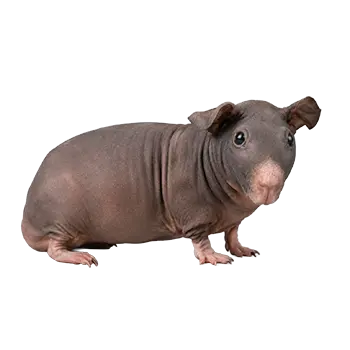

Nutritional Needs

Skinny guinea pigs have significantly higher caloric requirements than their furred counterparts. Because they lack a full coat of hair, their bodies work harder to maintain a stable internal temperature, which means they burn through calories at a faster rate throughout the day. Owners should expect to provide roughly twenty to thirty percent more food by volume compared to what a standard guinea pig of similar weight would consume.

Like all guinea pigs, Skinnies cannot synthesize their own vitamin C, making daily supplementation through diet absolutely essential. A deficiency can lead to scurvy, joint pain, lethargy, and compromised immune function. Fresh vegetables rich in vitamin C should appear in every daily feeding, and fortified pellets can serve as an additional safety net to ensure adequate intake.

The foundation of a Skinny's diet should be unlimited timothy hay, which provides the long-strand fiber necessary for healthy digestion and proper dental wear. Guinea pig teeth grow continuously, and the grinding motion required to process hay keeps molars at a safe length. Without adequate hay consumption, dental problems can develop quickly and lead to painful eating difficulties.

Because their exposed skin is more vulnerable to nutritional deficiencies, Skinnies benefit from a diet that supports skin health in particular. Omega fatty acids, found naturally in small amounts in certain leafy greens and supplemented through specific pellet formulations, help maintain skin elasticity and reduce the risk of dryness or cracking. A well-rounded diet directly translates to visible improvements in skin condition.

What to Look For

When selecting pellets for a Skinny guinea pig, prioritize formulations that are timothy hay-based rather than alfalfa-based, unless your pig is under six months old or pregnant. Alfalfa contains higher calcium levels that can contribute to bladder stone formation in adult cavies. The pellet should list timothy hay or timothy meal as the first ingredient and should be fortified with stabilized vitamin C.

Avoid pellets and mixes that contain seeds, nuts, dried fruit pieces, or colorful puffed shapes. These additions are high in fat and sugar, offer little nutritional value, and encourage selective eating where the pig picks out the treats and ignores the nutritious base. A plain, uniform pellet ensures balanced nutrition with every bite.

For hay, look for second-cut timothy hay, which strikes the best balance between soft leafy material and structured stems. First-cut hay tends to be coarser and less palatable, while third-cut hay is very soft but lacks the stem structure needed for proper dental wear. Orchard grass can be mixed in for variety, and many Skinnies enjoy the slightly sweeter taste it offers.

Freshness matters more than many owners realize. Pellets lose vitamin C potency over time, even when stored properly, so purchasing smaller bags more frequently is preferable to buying in bulk. Check for manufacture dates rather than expiration dates when possible, and store all dry food in airtight containers away from heat and direct sunlight.

Recommended Dry Food

A high-quality timothy-based pellet should form the backbone of your Skinny's dry food intake. Look for pellets that provide a minimum crude fiber content of around eighteen percent and a crude protein level between fourteen and sixteen percent. These ratios support healthy digestion while providing the extra protein that hairless breeds can benefit from for skin cell turnover and thermoregulation.

Pellet size and hardness are worth considering as well. Smaller pellets are often easier for guinea pigs to handle and chew, reducing waste from dropped or partially eaten pieces. Uniform pellets also make it simpler to monitor how much your Skinny is actually consuming each day, which is important for tracking appetite changes that might signal health issues.

Timothy hay should be available at all times in unlimited quantities. A Skinny guinea pig may consume a body-sized portion of hay daily, and this is perfectly normal and healthy. Providing hay in a rack or dedicated feeder helps keep it clean and dry, reducing waste and preventing contamination from bedding or droppings.

Some owners supplement dry food with small amounts of oat hay or botanical hay blends for variety. These can encourage foraging behavior and make mealtime more enriching. However, they should complement rather than replace timothy hay, which remains the nutritional cornerstone of any guinea pig diet.

Wet & Fresh Options

Fresh vegetables should make up a meaningful portion of a Skinny guinea pig's daily diet, with roughly one cup of mixed greens and vegetables offered per pig per day. Bell peppers, particularly red and yellow varieties, are among the best vitamin C sources available and most guinea pigs find them highly palatable. Romaine lettuce, green leaf lettuce, and endive provide hydration and additional nutrients without excessive calcium.

Dark leafy greens like cilantro, parsley, and dandelion greens are nutritional powerhouses but should be rotated to prevent calcium buildup from any single source. Spinach, kale, and other high-oxalate greens can be offered occasionally but should not appear daily due to their potential to contribute to bladder stone formation over time.

Cucumber and zucchini make excellent hydrating additions, especially during warmer months or in heated indoor environments where Skinnies are typically housed. These water-rich vegetables help ensure adequate fluid intake, which supports kidney function and overall hydration. Small amounts of carrot or a thin slice of tomato can be offered as occasional treats.

Fruit should be treated as an infrequent indulgence rather than a dietary staple. A small wedge of apple, a few blueberries, or a thin slice of strawberry once or twice a week provides enrichment without overloading sugar intake. Excessive fruit can disrupt gut flora, lead to soft stools, and contribute to obesity over time.

Treats & Supplements

Vitamin C supplementation is non-negotiable for Skinny guinea pigs, and there are several delivery methods to consider. Liquid vitamin C drops can be administered directly by syringe into the mouth, which ensures accurate dosing. Avoid adding vitamin C to water bottles, as it degrades rapidly when exposed to light and water, and it can alter the taste enough to discourage drinking.

Chewable vitamin C tablets designed for guinea pigs offer another convenient option. Many pigs learn to accept them as treats, making daily supplementation a simple routine. Look for tablets that provide between twenty-five and fifty milligrams of vitamin C per dose, depending on your pig's size and the amount of vitamin C already present in their fresh food.

Natural treat options include dried herb blends, rose hips, and small pieces of dried apple or banana. These should be offered sparingly and chosen carefully to avoid products with added sugar, preservatives, or artificial flavoring. Forage mixes that include dried flowers and herbs can also double as enrichment when scattered in the enclosure for the pig to discover.

Probiotics formulated for small herbivores may benefit Skinnies with sensitive digestion or those recovering from illness or antibiotic treatment. These supplements help restore and maintain healthy gut bacteria, which is crucial for proper cecal fermentation. Always consult with an exotics veterinarian before introducing any new supplement to your guinea pig's routine.

Foods to Avoid

Several common foods are toxic or dangerous to guinea pigs and should never be offered under any circumstances. These include chocolate, caffeine, onions, garlic, leeks, chives, avocado, and any part of the potato plant including the skin and eyes. Rhubarb leaves, tomato leaves and stems, and iceberg lettuce should also be kept away from your Skinny.

Dairy products, meat, eggs, and processed human foods have no place in a guinea pig's diet. Their digestive systems are designed exclusively for plant-based material, and introducing animal proteins or heavily processed foods can cause severe gastrointestinal distress, bloat, or worse. Even small amounts of bread, crackers, or cereal should be avoided.

Commercial treat products marketed for guinea pigs are not all created equal, and many are nutritionally poor despite their packaging claims. Yogurt drops, seed sticks, honey-coated hay biscuits, and similar products are typically loaded with sugar and fat. These items provide no meaningful nutrition and can contribute to obesity, dental issues, and selective eating habits.

Be cautious with garden-harvested greens and foraged plants unless you can positively identify every species and confirm it has not been treated with pesticides, herbicides, or fertilizers. Many common garden and lawn plants are toxic to guinea pigs, and chemical treatments on otherwise safe plants can cause poisoning. When in doubt, stick to produce purchased specifically for your pet from known safe sources.

Feeding Schedule

Establishing a consistent feeding schedule helps regulate your Skinny guinea pig's digestion and makes it easier to monitor food intake. A reliable routine involves refreshing hay in the morning and again in the evening, offering fresh vegetables once or twice daily at set times, and providing a measured portion of pellets each day. Most adults do well with roughly one-eighth cup of pellets per pig per day.

Because Skinny guinea pigs have higher metabolic demands, some owners find that splitting vegetable servings into two smaller meals rather than one large offering works better. A morning serving and an evening serving keeps fresh food available over a longer period and gives the pig something to look forward to at predictable intervals.

Hay should never run out. Unlike pellets and vegetables, hay consumption does not need to be limited or scheduled. If your Skinny's hay rack is empty at any point during the day, you are not providing enough. Some pigs are grazers who eat steadily throughout the day, while others prefer larger hay sessions at dawn and dusk, mirroring the crepuscular activity patterns of their wild ancestors.

Monitor your Skinny's weight weekly using a small kitchen scale to ensure they are maintaining a healthy range. Weight fluctuations of more than fifty grams in either direction over a short period warrant a closer look at diet and potentially a veterinary consultation. Because Skinnies lack fur to visually mask weight changes, owners may notice body condition shifts more readily, but regular weigh-ins remain the most reliable tracking method.

Always consult a qualified professional before making any health-related decisions. This content is provided for informational reference only and should not replace professional guidance specific to your animal.