
Skin Care & Grooming Supplies

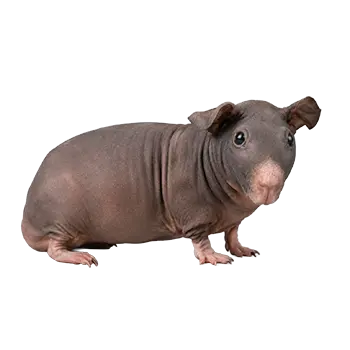
Skinny guinea pigs lack the protective fur coat that shields other breeds from minor environmental irritants, making skin care the most important grooming consideration for this breed. Their exposed skin produces natural oils that can build up over time, leading to a slightly greasy feel and potential clogged pores. Regular gentle bathing, roughly once every two to four weeks, helps manage oil accumulation without stripping the skin of its necessary protective layer.

When bathing a Skinny, use only lukewarm water and a mild, fragrance-free cleanser formulated for sensitive small animal skin. Human shampoos, even baby shampoos, can be too harsh and disrupt the skin's pH balance. Rinse thoroughly to ensure no residue remains, as soap left on exposed skin can cause irritation and dryness. After bathing, pat the pig dry with a soft towel and keep it in a warm, draft-free area until completely dry.

Between baths, a damp soft cloth can be used to wipe down the skin and remove surface oils or debris. Pay attention to skin folds, behind the ears, and around the groin area where buildup tends to concentrate. Some owners apply a thin layer of unscented, hypoallergenic coconut oil to areas prone to dryness, though this should be done sparingly to avoid over-moisturizing.

Nail trimming is essential for all guinea pigs, including Skinnies, and should be performed every three to four weeks. Overgrown nails can curl into the footpad, cause discomfort during walking, and lead to bumblefoot. Use small animal nail clippers and clip only the tip, being careful to avoid the quick. Having styptic powder on hand is wise in case of accidental nicking.

Bowls, Bottles & Feeders

Water bottles with ball-bearing sipper tubes are the standard hydration method for guinea pigs and should be mounted on the side of the enclosure at a comfortable drinking height. Check the sipper daily to confirm it is dispensing water freely, as ball valves can stick or clog without warning. A guinea pig that goes even a day without water can develop serious health complications, so reliability is critical.

Heavy ceramic crocks serve as excellent backup water sources and are particularly useful in multi-pig enclosures where demand on a single bottle can be high. Ceramic bowls are difficult to tip over, easy to clean, and allow guinea pigs to drink in a more natural head-down position. The downside is that open water can become contaminated with bedding, hay, and droppings, requiring more frequent changing.

For pellet feeding, a small heavy-bottomed ceramic bowl works well. Avoid plastic bowls, which are light enough to be flipped, and choose a size that holds a measured daily portion without leaving excess food sitting out for extended periods. Stale pellets lose vitamin C potency and may be ignored by picky eaters, so refreshing the pellet bowl daily is good practice.

Hay racks and hay feeders keep the bulk of the hay supply elevated and clean, reducing waste and preventing guinea pigs from soiling their primary food source. Look for hay racks with wide openings that allow easy access without the pig needing to pull strands through narrow gaps, which can cause frustration and dental strain. Some owners prefer simple pile feeding on a clean fleece pad, which works fine as long as soiled hay is removed promptly.

Carriers & Travel Gear

A sturdy, well-ventilated small animal carrier is an essential accessory for veterinary visits, moves, and any situation requiring transport. Hard-sided carriers with a secure latch and multiple ventilation points provide the best protection during car travel. Line the carrier bottom with a familiar fleece pad or towel to provide comfort and absorb any waste during the trip.

For Skinny guinea pigs, temperature management during transport requires extra attention. In cold weather, drape a light blanket over the carrier to retain warmth while maintaining airflow, and consider placing a microwavable heat disk wrapped in fabric inside the carrier. In warm weather, avoid leaving the carrier in direct sunlight or a hot car, and ensure the ventilation openings are unobstructed.

Carrier size matters more than many owners realize. The carrier should be large enough for the pig to turn around comfortably and lie down but not so large that the pig slides around during vehicle acceleration and braking. Including a small hide or fleece pouch inside the carrier gives the pig a sense of security during what is often a stressful experience.

For longer trips or situations where your guinea pig will be away from its home enclosure for an extended period, a portable travel cage or folding playpen provides a temporary living space. Stock it with the essentials — water bottle, hay, a hide, and familiar bedding — to keep stress levels manageable. Always transport guinea pigs in pairs when possible, as the presence of a companion significantly reduces travel anxiety.

Cleaning Supplies & Hygiene

Maintaining a clean enclosure is vital for any guinea pig, but the stakes are higher for Skinnies whose bare skin is in constant contact with their living surface. A basic cleaning kit should include a small handheld vacuum or dustpan and brush for daily spot cleaning, a spray bottle of pet-safe cage cleaner or diluted white vinegar solution, and a supply of absorbent pads or replacement fleece liners.

Daily spot cleaning involves removing visible droppings, wet bedding patches, and any uneaten fresh food. This five-minute routine makes a significant difference in enclosure hygiene and reduces the frequency of full deep cleans. Pay particular attention to corners and areas near food and water stations, where waste tends to accumulate most heavily.

Full enclosure cleaning should happen weekly at minimum. This means removing all bedding or liners, wiping down the enclosure base and walls with a pet-safe disinfectant, rinsing thoroughly to remove any chemical residue, and replacing with fresh bedding or clean laundered liners. Fleece liners should be washed in hot water with a free-and-clear detergent, avoiding fabric softeners and dryer sheets that can leave skin-irritating residues.

A small kitchen scale is technically a hygiene-adjacent tool that every guinea pig owner should have. Weekly weigh-ins are the most reliable way to detect early health problems, as weight loss is often the first sign of illness in guinea pigs. Recording weights in a simple log helps identify trends that might be missed from one week to the next.

Safety & Identification

Guinea pigs are not typically leashed, collared, or microchipped the way dogs and cats are, but identification and safety measures still have a place in responsible ownership. Keeping a clear, current photograph of each guinea pig on file is the simplest form of identification and can be invaluable if a pig escapes or needs to be identified at a veterinary clinic. For Skinny guinea pigs, their distinctive skin patterns and markings make individual identification relatively straightforward.

Enclosure security is a primary safety concern, especially in homes with other pets. Cats, dogs, and even young children can pose serious risks to a guinea pig. The enclosure should have secure walls high enough to prevent a guinea pig from climbing or jumping out, and in homes with cats, a secure top grid or cover is essential. Ensure that cage latches and door closures cannot be opened by curious pets.

Guinea pig-proofing any floor time area is non-negotiable. Electrical cords, houseplants, small objects that could be swallowed, gaps behind furniture, and access to areas where the pig could become trapped or lost must all be addressed before allowing free-roaming time. Skinnies are particularly vulnerable during floor time because their bare skin offers no protection against carpet burns, splinters, or contact with household chemicals on floor surfaces.

An emergency preparedness kit for your guinea pigs should include a travel carrier, a three-day supply of pellets and hay, a water bottle, basic first aid supplies including styptic powder and saline solution, a list of exotics veterinarians in your area and their emergency hours, and any medications your pigs currently take. Having this kit assembled in advance means you can evacuate or respond to a household emergency without scrambling to gather supplies.

Seasonal & Climate Gear

Skinny guinea pigs require seasonal adjustments to their accessories and environment that go beyond what furred breeds need. In winter, the focus shifts to warmth retention. Fleece cage liners in heavier weights, additional snuggle sacks, self-warming pads that reflect body heat, and microwavable heat disks all help maintain comfortable body temperature when ambient room temperatures might dip below the ideal range.

During summer months, the priority reverses to preventing overheating. Ceramic cooling tiles, granite slabs, and frozen water bottles wrapped in cloth provide surfaces where a guinea pig can lie to dissipate excess body heat. Ensure the enclosure is positioned away from windows where direct sunlight could create hot spots, and consider running a fan in the room to promote air circulation, though never aimed directly at the enclosure.

Skinny guinea pigs can be sensitive to dry indoor air, which is common in heated homes during winter. A room humidifier set to maintain forty to sixty percent relative humidity helps prevent the dry, cracked skin that many hairless guinea pig owners observe during colder months. Monitor the skin condition regularly and adjust environmental humidity if flaking or cracking appears.

Sunburn is a real risk for Skinny guinea pigs if they are exposed to direct sunlight, even through a window. Unlike furred guinea pigs that have some natural UV protection, a Skinny's bare skin can burn in surprisingly short periods of sun exposure. If your enclosure is near a window, use curtains or blinds to filter light during peak sun hours, and never take a Skinny guinea pig outdoors without shade and close supervision.

Always consult a qualified professional before making any health-related decisions. This content is provided for informational reference only and should not replace professional guidance specific to your animal.