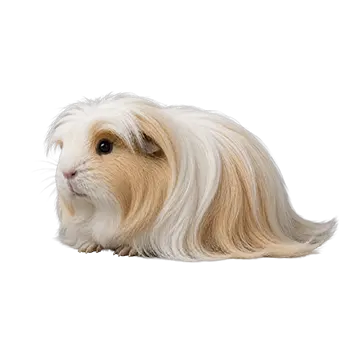

Play Style & Temperament

Silkie guinea pigs are known for their gentle, laid-back temperament, which influences the types of enrichment they tend to enjoy most. While all guinea pigs benefit from stimulation and activity, Silkies often gravitate toward exploratory and foraging-based play rather than high-energy physical activity. Understanding your individual Silkie's personality is key, as some are more curious and adventurous while others are content with a quieter enrichment routine.

Guinea pigs in general are prey animals, and their play behavior reflects this. They explore cautiously, investigate new objects with their noses before engaging, and prefer activities that do not require them to feel exposed or vulnerable. Enrichment that incorporates hiding, tunneling, and foraging aligns with these natural instincts and provides the most meaningful mental stimulation. Toys that make sudden noises, move unpredictably, or require the guinea pig to be in open space for extended periods are more likely to cause stress than enjoyment.

The Silkie's long coat adds a practical consideration to toy selection. Items with small holes, wire components, rough textures, or loose threads can catch and pull at the fur, causing tangles, mats, or even injury. Smooth-surfaced toys, open-ended tunnels, and items without protruding parts are safer choices for any long-coated breed. Inspecting toys regularly for wear and potential snag points helps prevent grooming complications.

Social play is also an important dimension of enrichment. Guinea pigs housed in pairs or groups naturally engage each other through chasing, following, and gentle sparring, which provides physical exercise and mental engagement that no toy can fully replicate. Enrichment products work best as supplements to social interaction rather than replacements for it.

Foraging & Food-Based Toys

Foraging is one of the most natural and rewarding forms of enrichment for guinea pigs. In the wild, cavies spend a significant portion of their waking hours searching for and consuming vegetation, and replicating this behavior in captivity promotes both mental engagement and physical activity. Simple foraging setups can be as effective as elaborate commercial products, making this one of the most accessible categories of enrichment.

Scattering hay across the cage floor rather than placing it all in a single rack encourages natural foraging behavior and increases the time a guinea pig spends actively seeking food. Hay can also be stuffed into toilet paper rolls, paper bags, or willow balls to create simple puzzle feeders that require the guinea pig to pull, tug, and manipulate to access the food inside. These activities engage problem-solving instincts and provide gentle physical exercise.

Vegetable-based foraging adds another layer of enrichment. Hiding small pieces of bell pepper, cucumber, or herbs inside hay piles, under fleece flaps, or inside paper tunnels encourages the guinea pig to use its sense of smell to locate treats. This type of enrichment is particularly effective for Silkies, who tend to enjoy calm, investigative activities over high-energy play. Rotating the hiding spots and types of vegetables keeps the activity novel and engaging over time.

Commercial foraging toys designed for small animals can be useful additions, but they should be evaluated for safety before use. Avoid anything with small removable parts that could be swallowed, sharp edges, or materials treated with dyes or finishes that might be toxic if chewed. The best commercial options are simple in design, made from natural materials like untreated wood or woven grass, and easy to refill and clean.

Chew Toys & Dental Health

Chewing is not just a recreational activity for guinea pigs; it is a biological necessity. Guinea pig teeth grow continuously throughout their lives, and without adequate opportunities to wear them down, teeth can become overgrown, misaligned, and painfully impacted. While hay consumption is the primary mechanism for dental wear, chew toys provide supplemental grinding and gnawing activity that supports long-term dental health.

Apple wood sticks, willow sticks, and pear wood are among the safest and most popular chew toy materials for guinea pigs. These untreated hardwoods are safe to ingest in small amounts and provide a satisfying texture for gnawing. Avoid any wood that has been treated, painted, stained, or varnished, and steer clear of cedar, cherry, and plum wood, which contain compounds that are harmful to small animals. Sticks should be pesticide-free, ideally sourced from suppliers that specialize in small animal products.

Woven grass and hay-based chew toys serve a dual purpose as both dental aids and edible enrichment. Grass mats, twisted hay ropes, and compressed hay cubes give guinea pigs something to shred, pull apart, and consume, combining chewing exercise with foraging behavior. These items are fully consumable and safe, though they tend to be destroyed quickly and need frequent replacement.

Mineral chews and salt licks are commonly sold alongside chew toys, but their necessity and safety are debated. Guinea pigs that eat a balanced diet of hay, pellets, and fresh vegetables typically receive all the minerals they need without supplementation. Excess mineral intake from licks can actually be harmful, contributing to urinary issues. Most exotic veterinarians recommend skipping mineral supplements unless a specific deficiency has been identified through veterinary testing.

Tunnels & Exploration Toys

Tunnels are among the most universally enjoyed enrichment items for guinea pigs. They satisfy the instinct to seek cover while moving through the environment, and guinea pigs will run through tunnels repeatedly during active periods, using them as both play structures and quick-access hides. For Silkies, fabric tunnels with smooth interiors are the best option because they do not catch or tangle the long coat the way some woven or rough-textured tunnels can.

The diameter of any tunnel should be generous enough that the guinea pig can pass through comfortably without its sides pressing against the walls. A tunnel that is too narrow will discourage use and can create stress, while an appropriately sized tunnel becomes a favorite pathway and resting spot. Guinea pigs often nap inside tunnels, so choosing one made from washable material helps maintain hygiene.

Bridges, ramps, and low platforms add vertical variety to the enclosure without requiring climbing ability. Guinea pigs are not natural climbers and can injure themselves on steep inclines, so any elevated structure should have a gentle slope, a non-slip surface, and low overall height. Wooden bridges with wide planks can double as hiding spots when placed flat in the cage and as gentle ramps when propped at a low angle.

Rearranging the cage layout periodically provides free enrichment by creating a novel environment from existing items. Moving tunnels, hides, and toys to different positions every week or two stimulates exploration and investigation, which is mentally engaging for guinea pigs. However, changes should be gradual rather than dramatic, as completely overhauling the cage at once can be stressful for sensitive animals. Keeping at least one or two familiar items in their usual positions provides a sense of security during transitions.

Comfort & Companion Items

Comfort items serve an important role for guinea pigs, particularly during periods of stress such as veterinary visits, introductions to new environments, or temporary separation from cage mates. Cuddle sacks, fleece pouches, and soft pads provide warmth, security, and a familiar scent that can help calm an anxious guinea pig. For Silkies, these items have the added benefit of being gentle on the coat compared to rougher materials.

Fleece forests and fringe curtains made from strips of fleece fabric hung from the cage ceiling or a frame create a hide-like environment that guinea pigs can walk through and nestle in. These are popular enrichment items because they provide the sensation of cover without fully enclosing the animal, allowing guinea pigs to feel hidden while still being able to see and hear their surroundings. The soft fleece strips are ideal for Silkies since they do not tangle or pull at long fur.

Stuffed companion toys are sometimes marketed for guinea pigs, but their usefulness is limited. Unlike some other small animals, guinea pigs are unlikely to bond with an inanimate object as a social substitute. A stuffed toy will not replace the companionship of a live cage mate, and some guinea pigs may find an unfamiliar object in their space more stressful than comforting. If a companion toy is offered, it should be made from safe, non-toxic materials with no small parts, button eyes, or loose stitching that could be chewed off and ingested.

The best comfort strategy for a Silkie guinea pig is a combination of consistent routine, a well-designed habitat with multiple hiding options, and the presence of at least one compatible companion. Enrichment items complement this foundation but cannot substitute for it, and owners should focus first on meeting the animal's social and environmental needs before adding supplementary comfort products.

DIY & Budget Options

Some of the most effective guinea pig enrichment costs nothing at all and can be assembled from common household items. Cardboard boxes with entrance holes cut into the sides make excellent hides and exploration structures. Paper grocery bags with the handles removed become crinkly tunnels that guinea pigs enjoy running through and investigating. Toilet paper and paper towel rolls stuffed with hay create instant foraging puzzles that are safe, biodegradable, and endlessly replaceable.

A simple foraging mat can be made by cutting strips of fleece fabric and tying them through the holes of a rubber sink mat or a piece of plastic grid. Treats and hay can be tucked between the strips, encouraging the guinea pig to root around and forage. This type of DIY enrichment is particularly well-suited to Silkies because the soft fleece strips will not snag their coat, and the activity is calm and investigative rather than physically demanding.

Outdoor playtime in a secure, portable pen on untreated grass provides unmatched enrichment for guinea pigs. The opportunity to graze on fresh grass, feel natural ground underfoot, and experience new smells and sounds stimulates senses that indoor life cannot fully replicate. For Silkies, outdoor time requires supervision to prevent the coat from picking up debris, moisture, or parasites, and the pen must be fully enclosed to protect against predators including birds of prey, cats, and dogs.

Rotating a small collection of inexpensive toys and homemade items keeps the environment fresh without constant spending. Guinea pigs respond well to novelty, and an item that was ignored for weeks may become a favorite again after being removed and reintroduced. Maintaining a small stockpile of three or four items that can be cycled in and out of the cage on a weekly basis provides ongoing stimulation at virtually no cost.

Always consult a qualified professional before making any health-related decisions. This content is provided for informational reference only and should not replace professional guidance specific to your animal.