
Nutritional Needs

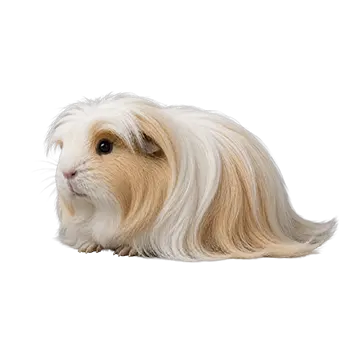
Silkie guinea pigs share the same core dietary requirements as all guinea pig breeds, but their luxurious, flowing coat places additional demands on their nutritional intake. A diet rich in vitamin C is absolutely essential because guinea pigs cannot synthesize this vitamin on their own, and deficiencies can lead to scurvy, rough coat, lethargy, and joint problems. Silkies in particular benefit from consistent vitamin C intake since it supports the health and luster of their long, silky fur.

Timothy hay should make up the vast majority of a Silkie's daily diet, roughly eighty percent or more. Hay provides the long-strand fiber necessary for healthy digestion and continuous dental wear, both of which are critical for guinea pig longevity. Without adequate hay consumption, guinea pigs are prone to gastrointestinal stasis, malocclusion, and other painful conditions that can become life-threatening if left untreated.

Fresh vegetables round out the Silkie's nutritional profile and serve as a primary natural source of vitamin C. Bell peppers, romaine lettuce, cilantro, and leafy greens like endive and green leaf lettuce should be offered daily. Small portions of fruit can be given as occasional treats, but the sugar content means these should be limited to a few times per week at most.

Caloric balance matters more than many owners realize. Silkies are a moderately sized breed and can become overweight if given unlimited pellets or too many sugary treats. Obesity in guinea pigs contributes to pododermatitis, heart problems, and reduced mobility, all of which are compounded by the grooming challenges that come with a long-coated breed. Maintaining a lean body condition through measured portions and daily weigh-ins helps prevent these complications.

What to Look For

When selecting food products for a Silkie guinea pig, the ingredient list tells you far more than the packaging. High-quality pellets should be timothy hay-based, fortified with stabilized vitamin C, and free of seeds, nuts, dried fruit pieces, and colorful additives. These filler ingredients are common in lower-quality mixes and provide empty calories while encouraging selective eating, where the guinea pig picks out the sugary bits and leaves the nutritious base behind.

Hay quality varies significantly between products and even between bags of the same product. Look for hay that is green, fragrant, and composed of long strands with visible seed heads. Brown, dusty, or overly stemmy hay has lost much of its nutritional value and palatability. Some owners find that buying hay from farm suppliers rather than pet store bags yields a more consistent, fresher product.

Vitamin C supplementation deserves careful attention. The vitamin C added to pellets degrades over time, especially once the bag is opened and exposed to air and light. Check manufacturing and expiration dates, and plan to use a bag of pellets within six to eight weeks of opening. Standalone vitamin C supplements designed for guinea pigs can provide additional insurance, but drops added to water are generally considered unreliable because the vitamin breaks down quickly in water and alters the taste, potentially reducing water intake.

Packaging and storage features also matter. Resealable bags help maintain freshness, and opaque packaging protects light-sensitive nutrients. For hay, compressed bales are fine for storage efficiency, but they should fluff apart easily without excessive dust when opened.

Recommended Dry Food

Timothy hay-based pellets form the backbone of a Silkie's dry food regimen. A good pellet is uniform in shape, meaning it is a plain, extruded pellet without mixed-in treats, seeds, or colored pieces. This uniformity ensures the guinea pig gets balanced nutrition with every bite rather than being able to pick through a mix and eat selectively. Pellets should be offered in measured portions, typically about one-eighth cup per guinea pig per day, though individual needs may vary based on age, weight, and activity level.

For young Silkies under six months of age, alfalfa-based pellets are appropriate because the higher calcium and protein content supports rapid growth and development. After six months, the transition to timothy-based pellets should be gradual, mixing the two over a period of one to two weeks. Adult guinea pigs fed alfalfa long-term can develop bladder stones and kidney issues due to excess calcium, making this transition an important milestone in dietary management.

Orchard grass and botanical hay blends can supplement the primary timothy hay supply and add variety to the diet. Many guinea pigs enjoy the slightly sweeter flavor of orchard grass, and offering multiple hay types encourages higher overall consumption. Oat hay is another excellent option, though it is slightly higher in calories and should be balanced accordingly. The key is that no hay variety should fully replace timothy, which remains the gold standard for fiber content and dental wear.

Storage practices directly impact the nutritional value of dry food. Pellets should be kept in a cool, dry place in an airtight container, and any bag older than three months from the manufacture date should be replaced regardless of remaining quantity. Hay should be stored in a breathable container or bag that allows airflow while keeping out moisture and pests.

Wet & Fresh Options

Fresh vegetables are not optional for Silkie guinea pigs; they are a dietary necessity. A daily salad of mixed greens and vegetables provides essential vitamins, minerals, hydration, and enrichment. The foundation of each serving should be leafy greens such as romaine lettuce, green leaf lettuce, red leaf lettuce, and endive. These low-calcium greens can be offered in generous portions without concern for bladder stone formation.

Bell peppers are among the most important fresh foods for guinea pigs because they are exceptionally rich in vitamin C. A single slice of red or yellow bell pepper can provide a significant portion of a guinea pig's daily vitamin C requirement. Other strong vitamin C sources include parsley, kale, and mustard greens, though higher-calcium greens like kale should be rotated rather than offered every day to maintain an appropriate calcium-to-phosphorus ratio.

Fruits should be treated as occasional indulgences rather than dietary staples. Small pieces of strawberry, blueberry, apple, or watermelon can be offered a few times per week, but the high sugar content makes daily fruit feeding inadvisable. Guinea pigs can develop a strong preference for sweet foods, which may cause them to refuse their regular vegetables if fruit is offered too frequently.

Introducing new vegetables should be done one at a time over several days to monitor for digestive reactions. Some guinea pigs are more sensitive than others, and sudden dietary changes can cause soft stools, bloating, or decreased appetite. Keeping a rotation of five to eight familiar vegetables ensures variety without the stress of constant novelty.

Treats & Supplements

Treats play a valuable role in bonding with a Silkie guinea pig, but they should be chosen carefully to avoid undermining an otherwise healthy diet. The best treats are simply small pieces of fresh fruit or an occasional sprig of herb like dill, basil, or mint. Commercial treats marketed for guinea pigs are often loaded with sugar, artificial colors, and binding agents that provide little nutritional value and can contribute to obesity and dental problems over time.

Vitamin C supplements are the most important supplement for any guinea pig. Tablet-style supplements designed specifically for guinea pigs are generally preferred over liquid drops because they deliver a consistent dose and most guinea pigs will readily accept them as treats. The typical recommended daily intake is between twenty-five and fifty milligrams, though pregnant, nursing, or ill guinea pigs may require higher doses as directed by a veterinarian.

Probiotics formulated for small herbivores can support digestive health, particularly during times of stress such as a move, introduction to new cage mates, or recovery from illness. These are typically available as powders that can be sprinkled on pellets or mixed into a small amount of vegetable. While not a daily necessity for healthy guinea pigs, they can be a useful tool in maintaining gut flora balance during transitional periods.

Yogurt drops, seed sticks, and honey-coated treats should be avoided entirely. Guinea pigs are strict herbivores and cannot properly digest dairy products. Seed-based treats pose choking hazards and offer inappropriate nutrition, while honey and other sweeteners contribute to dental decay and weight gain without any meaningful health benefit.

Foods to Avoid

A number of common foods are toxic or harmful to guinea pigs and should never be offered under any circumstances. Onions, garlic, leeks, shallots, and chives contain compounds that can damage red blood cells and lead to hemolytic anemia. Potatoes and potato skins contain solanine, which is toxic to guinea pigs even in small amounts. Rhubarb leaves are high in oxalic acid and can cause kidney failure.

Iceberg lettuce is not toxic, but it is nutritionally barren and its high water content can cause diarrhea when fed in large amounts. It should be replaced with nutrient-dense lettuces like romaine or green leaf. Similarly, cabbage and broccoli are not dangerous in small amounts but can cause significant gas and bloating, which in guinea pigs can escalate into painful and potentially dangerous gastrointestinal distress.

Processed human foods, including bread, pasta, crackers, cereal, and anything cooked, have no place in a guinea pig's diet. Even seemingly benign items like plain cooked rice or dry toast can disrupt the delicate microbial balance of the guinea pig's cecum, leading to digestive dysfunction. Chocolate, caffeine, and alcohol are outright toxic and should be kept well out of reach.

Mixes sold as guinea pig food that contain dried corn, peanuts, sunflower seeds, or puffed grains are nutritionally inappropriate despite their widespread availability. These products encourage selective feeding, contribute to obesity, and can cause dangerous intestinal blockages. Owners should be skeptical of any product that looks like trail mix, regardless of what animal is pictured on the packaging.

Feeding Schedule

Consistency is key when feeding Silkie guinea pigs. A reliable daily schedule helps regulate digestion, reduces stress, and makes it easier to monitor food intake for early signs of illness. Most owners find success with a morning and evening feeding routine, where fresh vegetables and measured pellets are offered at roughly the same times each day.

Hay should be available at all times without exception. Guinea pigs graze continuously throughout the day and night, and any interruption in hay access can quickly lead to gastrointestinal slowdown. A good practice is to replenish the hay rack or pile at each feeding time, removing any soiled or stale hay and replacing it with fresh stock. The amount consumed may seem enormous relative to the animal's size, but high hay intake is a sign of good health.

Pellets should be offered once daily in a measured amount, typically around one-eighth cup per guinea pig. Leaving pellets available all day can lead to overconsumption and reduced hay intake, both of which negatively affect digestive and dental health. If pellets are not consumed within a few hours, the remainder should be discarded to prevent staleness and bacterial growth, especially in warm or humid environments.

Fresh vegetables can be split across two servings or offered in a single daily portion, depending on what works best for the owner's schedule. Any uneaten fresh food should be removed within a few hours to prevent spoilage. Water must be fresh and available at all times through a clean bottle or bowl, checked and refilled at every feeding. Monitoring daily food and water consumption is one of the most reliable ways to catch health problems early, as a guinea pig that suddenly stops eating or drinking requires prompt veterinary attention.

Always consult a qualified professional before making any health-related decisions. This content is provided for informational reference only and should not replace professional guidance specific to your animal.