
Digital Scales & Weight Tracking

A digital kitchen scale is arguably the single most important piece of technology a guinea pig owner can invest in, and it costs very little. Regular weight monitoring is the earliest and most reliable way to detect illness in guinea pigs because these animals instinctively mask symptoms of sickness until a condition has progressed significantly. A loss of even two or three ounces sustained over several days can indicate a developing health problem that warrants veterinary attention.

The ideal scale for guinea pig use measures in grams rather than ounces, as grams provide finer resolution for detecting subtle changes. A scale with a capacity of at least five kilograms and a readability of one gram is more than sufficient. Many owners place a small container or basket on the scale, tare it to zero, and then set the guinea pig inside for a calm, contained weighing experience. Recording weights in a simple spreadsheet or notebook creates a historical trend that makes it easy to spot gradual changes that might not be obvious from one week to the next.

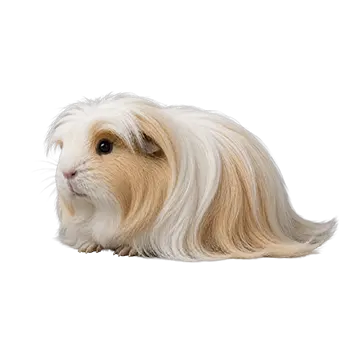
For Silkies, weight tracking carries additional importance because their dense, long coat can mask visual signs of weight loss. A Silkie that looks perfectly round and healthy under all that fur might actually be losing body mass, and without regular weigh-ins this could go unnoticed until the animal is seriously underweight. Weekly weigh-ins on the same day and at roughly the same time provide the most consistent data.

Some owners have adopted smart scales that connect to phone applications and automatically log weight data over time, complete with trend lines and alerts for significant changes. While these are not necessary, they can simplify the tracking process for owners who manage multiple guinea pigs and want an automated way to monitor each animal's weight trajectory.

Temperature & Humidity Monitors

Environmental monitoring is particularly relevant for Silkie guinea pigs because their long coat affects their ability to thermoregulate. A simple digital thermometer and hygrometer placed near the enclosure provides continuous readings of the two most critical environmental variables: temperature and humidity. Many inexpensive models display both measurements simultaneously and include minimum and maximum readings so owners can check for overnight or daytime fluctuations.

The target temperature range for guinea pigs is sixty-five to seventy-five degrees Fahrenheit, and even brief excursions above eighty degrees can be dangerous. Silkies with their thick, insulating coat are especially susceptible to heat stress, which can progress to heat stroke rapidly. Symptoms include lethargy, rapid breathing, drooling, and unresponsiveness, and without intervention the condition can be fatal. A thermometer with an audible alarm that triggers at a set temperature threshold provides an additional safety net.

Humidity monitoring helps prevent respiratory problems and skin conditions. Guinea pigs are prone to upper respiratory infections, which thrive in damp, poorly ventilated environments. Humidity levels above seventy percent also encourage fungal growth in bedding and on skin, and Silkies are more vulnerable to skin fungus because moisture can become trapped under their dense coat without being immediately visible. Conversely, very dry air below thirty percent can irritate respiratory passages and cause dry, flaky skin.

Wireless sensor systems that transmit temperature and humidity data to a smartphone application allow owners to monitor conditions remotely and receive alerts if readings move outside safe ranges. This is especially useful for owners who are away from home during the day or who keep guinea pigs in rooms that are not part of the main living area. The cost of entry-level wireless environmental monitors has dropped significantly, making them accessible for most pet owners.

Cameras & Visual Monitoring

Pet cameras have become an increasingly popular tool for guinea pig owners who want to observe their animals remotely during the workday or while traveling. A basic indoor camera positioned to view the enclosure allows owners to check on activity levels, social dynamics between cage mates, and overall behavior patterns. For Silkies, remote monitoring can also help owners spot signs of coat-related problems such as a guinea pig excessively chewing its own fur or a cage mate barbering another's coat.

Night vision capability is a particularly useful feature in a guinea pig camera because guinea pigs are crepuscular, meaning their peak activity periods occur during dawn and dusk and often extend into the darker hours. Without night vision, an owner reviewing footage from evening and early morning hours would see nothing, potentially missing the most active and behaviorally revealing periods of the guinea pig's day.

Two-way audio is a feature available on many pet cameras, but its value for guinea pigs is limited and potentially counterproductive. While some owners enjoy being able to speak to their pets remotely, a sudden voice coming from a small speaker can startle prey animals like guinea pigs and cause unnecessary stress. If a camera includes two-way audio, using only the listening function to monitor vocalizations is more practical. Guinea pig vocalizations carry significant meaning, and hearing extended teeth chattering, prolonged whining, or alarm squeals through a camera's microphone can alert an owner to a problem that requires attention.

Motion-activated recording and cloud storage options allow owners to review activity throughout the day without manually watching a live feed. These features can be helpful for identifying patterns, such as a guinea pig that has become lethargic during certain hours or one that is monopolizing a food station and preventing a cage mate from eating. The data from even a few days of recorded behavior can provide valuable context for a veterinary visit if health or behavioral concerns arise.

Smart Water & Feeding Systems

Automated water monitoring systems address one of the quieter risks in guinea pig care: an empty or malfunctioning water bottle going unnoticed. Guinea pigs can dehydrate quickly, and a sipper bottle that has become clogged, developed an air lock, or simply run dry can leave an animal without water for hours before the problem is discovered. Water level sensors or smart water bottles that send alerts when the water drops below a certain level provide peace of mind, particularly for owners with busy schedules.

Smart feeders designed for small animals can dispense measured portions of pellets at scheduled times. This can be useful for maintaining a consistent feeding schedule when the owner's routine varies, or for ensuring that pellets are available at the correct time even when someone else is providing care. However, smart feeders are no substitute for the daily hands-on attention that guinea pig care requires. Fresh vegetables must still be prepared and served by hand, hay must be replenished manually, and the guinea pig's overall condition should be assessed in person at least twice daily.

Water quality is an aspect of feeding technology that receives less attention than it deserves. In areas with heavily chlorinated or hard water, a simple filtration pitcher or tap filter can improve the taste and potentially the safety of the water offered to guinea pigs. While there is limited research specifically on water quality effects in guinea pigs, reducing chlorine and heavy metal exposure is a reasonable precaution given these animals' small body size and sensitivity to environmental contaminants.

Any automated feeding or watering system should be treated as a backup convenience rather than a primary care method. Technology can fail, and a guinea pig that relies entirely on an automated system is at risk if the device malfunctions while the owner is away. Manual checks of water levels, food availability, and equipment function should remain part of the daily routine regardless of what automated systems are in place.

Health Journaling & Tracking Apps

Digital health tracking applications designed for pet owners offer a centralized place to record weight measurements, veterinary appointments, medication schedules, and behavioral observations. For guinea pig owners managing one or more animals, these apps can replace scattered notebooks and memory-based tracking with a searchable, date-stamped record that is easy to share with a veterinarian.

The most useful features for guinea pig owners include weight logging with trend visualization, medication reminders with dosage tracking, photo storage organized by date for documenting skin conditions or coat changes, and veterinary visit summaries. For Silkie owners specifically, the ability to attach dated photos is valuable for tracking coat condition, as changes in fur quality, bald patches from barbering, or skin irritation can be subtle and hard to remember accurately without visual documentation.

Simple spreadsheet applications work just as well as dedicated pet health apps for owners who prefer a no-frills approach. A basic spreadsheet with columns for date, weight, food notes, and observations takes minutes to set up and provides all the tracking functionality most guinea pig owners need. The key is consistency in recording rather than sophistication in the tool used. Even a five-second daily entry of weight and a one-word health status creates a valuable longitudinal dataset over months and years.

Veterinary telehealth platforms have expanded access to exotic animal expertise, which is particularly valuable for guinea pig owners who do not live near a veterinarian experienced with small herbivores. While telehealth cannot replace hands-on examination for many conditions, it can provide preliminary guidance on whether a symptom warrants an emergency visit, help with dosage calculations for medications already prescribed, and offer behavioral advice. Having a detailed health log to reference during a telehealth consultation significantly improves the quality of the interaction and the accuracy of the guidance received.

Lighting & Environmental Automation

Automated lighting systems can help maintain a consistent day-night cycle for guinea pigs, which supports healthy circadian rhythms, sleep quality, and hormonal balance. A simple plug-in timer connected to the room's light source can turn lights on and off at consistent times each day, simulating a natural photoperiod. Guinea pigs benefit from approximately twelve hours of light and twelve hours of darkness, though seasonal variation within a reasonable range is not harmful.

Smart light bulbs and smart plugs expand on basic timers by offering remote control, scheduling through smartphone apps, and gradual dimming features that simulate sunrise and sunset. The gradual transition between light and dark is less jarring for guinea pigs than an abrupt switch and can reduce startle responses, particularly in skittish animals. For Silkies, whose calm temperament makes them more sensitive to sudden environmental changes, a gentle lighting transition contributes to overall stress reduction.

Full-spectrum lighting, while not strictly necessary for guinea pigs housed in rooms with natural light, can benefit animals in windowless rooms or basements. Guinea pigs do not synthesize vitamin D through their skin the way some reptiles do, so the primary benefit of quality lighting is behavioral rather than nutritional. Bright, natural-spectrum light during the day encourages activity, appetite, and social interaction, while dim or absent lighting during dark hours promotes rest.

Environmental automation can extend beyond lighting to include thermostat scheduling, humidifier timers, and air purifier cycles that coordinate to maintain optimal cage-area conditions throughout the day. However, complexity should be added incrementally and only where it addresses a genuine need. A guinea pig that is housed in a well-ventilated room at a stable temperature with natural light needs very little technological intervention, and over-engineering the environment can create more failure points than it solves. The best approach is to start with basic monitoring, identify any gaps or risks, and add automation only where it provides a clear benefit to the animal's welfare.

Always consult a qualified professional before making any health-related decisions. This content is provided for informational reference only and should not replace professional guidance specific to your animal.