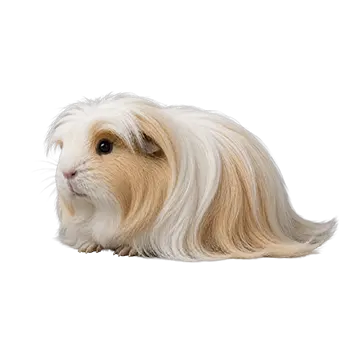

Guinea pigs need far more space than the small cages commonly sold in pet stores, and Silkies are no exception. The minimum recommended floor space for a single guinea pig is seven and a half square feet, but ten and a half square feet or more is strongly preferred. For a pair of Silkies, which is the recommended minimum since guinea pigs are social animals that thrive with companionship, the enclosure should provide at least ten and a half square feet, with thirteen or more being ideal.
The emphasis on floor space rather than vertical height is important because guinea pigs are ground-dwelling animals that do not climb. Tall, narrow cages marketed as multi-level habitats for small animals are generally unsuitable because guinea pigs can injure themselves on ramps and rarely use upper levels consistently. A single, spacious ground-level enclosure with low sides is far more appropriate and allows for natural behaviors like running laps, popcorning, and exploring.
Silkies have an additional space consideration related to their long coat. In cramped quarters, their flowing fur drags through soiled bedding more frequently, leading to mats, tangles, and skin irritation. A larger enclosure gives them room to move away from soiled areas and helps keep their coat cleaner between grooming sessions. It also provides better airflow, which reduces the buildup of ammonia fumes from urine-soaked bedding.
Placement of the enclosure matters as much as its size. Guinea pigs are sensitive to temperature extremes, drafts, and direct sunlight. The ideal location is in a well-ventilated room that stays between sixty-five and seventy-five degrees Fahrenheit, away from windows with direct sun exposure, heating vents, and air conditioning units. The enclosure should also be in a social area of the home where the guinea pigs can see and hear household activity, as isolation can lead to stress and depression in these highly social animals.