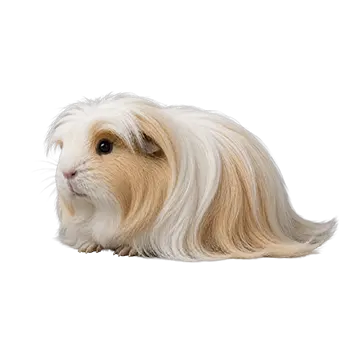

Grooming Tools

Grooming is the defining maintenance task for Silkie guinea pig ownership. Their long, flowing coat sweeps backward from the head and can reach several inches in length, requiring regular attention to prevent mats, tangles, and hygiene problems. The essential grooming toolkit for a Silkie includes a fine-toothed comb, a soft-bristle brush, small grooming scissors with rounded tips, and a gentle small-animal shampoo for occasional baths.

Daily brushing is ideal for Silkies, though every other day is a workable minimum for coats kept in good condition. A fine-toothed metal comb works through the length of the coat to detect and gently tease out tangles before they tighten into mats. Following up with a soft-bristle brush smooths the fur and distributes natural oils, which helps maintain the silky texture that gives this breed its name. Brushing sessions should be gentle and unhurried, as rough handling can make guinea pigs fear grooming and resist future sessions.

Rounded-tip scissors are indispensable for trimming the coat around the rear end and underbelly, areas where long fur readily collects urine, fecal matter, and bedding debris. Many Silkie owners maintain a sanitary trim in these zones to reduce cleaning frequency and prevent skin irritation. Full haircuts are a matter of personal preference and practicality; some owners trim the coat to a uniform shorter length during warmer months or if daily grooming is not feasible, while show breeders maintain the coat at full length.

Bathing should be infrequent, no more than once every few months unless the guinea pig has gotten into something particularly messy. Guinea pigs can become chilled quickly during and after baths, so the water should be lukewarm, the session should be brief, and the guinea pig must be thoroughly dried afterward. A small towel and a low-heat hair dryer on the coolest setting held at a safe distance can speed drying, but many guinea pigs find the noise of a dryer stressful, in which case towel-drying in a warm room is the safer approach.

Bowls, Bottles & Feeders

Water delivery is a fundamental aspect of guinea pig care, and the two main options are water bottles with sipper tubes and open water bowls. Each has advantages and drawbacks, and many experienced owners use both simultaneously. Sipper bottles keep water clean and uncontaminated by bedding, but they can malfunction, drip, or become clogged without obvious signs. Open bowls provide more natural drinking posture and faster water access, but they are easily soiled and tipped.

For Silkies, water bottles have an additional advantage: they keep the long facial and chest fur dry. A guinea pig drinking from an open bowl will frequently dip its chin and fur into the water, leading to damp fur that can mat, attract bedding particles, and potentially cause skin irritation over time. If a bowl is used, a heavy ceramic design that resists tipping and has a relatively narrow opening can minimize this issue.

Hay racks and hay feeders help keep the primary food source clean, elevated off the cage floor, and accessible throughout the day. The best designs are open-topped or have wide openings that allow guinea pigs to pull hay freely without getting their heads stuck. Racks with narrow bars or small openings can trap a guinea pig's head or feet and should be avoided. Some owners prefer to simply pile hay in a designated corner of the cage, which works fine as long as soiled portions are removed daily.

Food bowls for pellets and fresh vegetables should be heavy enough to resist tipping, shallow enough for easy access, and made from non-porous material that can be sanitized. Ceramic bowls meet all these criteria and are widely available. Plastic bowls are lighter and more prone to tipping, and they can harbor bacteria in surface scratches over time. Multiple feeding stations spaced throughout the enclosure are important in multi-pig setups to ensure all animals get equal access to food.

Nail Care & Health Supplies

Guinea pig nails grow continuously and require trimming approximately every three to four weeks. Untrimmed nails curl under the foot, alter the guinea pig's gait, and can lead to painful foot injuries and joint problems. Small animal nail clippers or human nail clippers both work well for guinea pig nails, and a styptic powder or pencil should always be on hand in case a nail is trimmed too short and bleeds.

The quick, the blood vessel inside the nail, is visible in guinea pigs with light-colored nails as a pinkish line running partway down the nail. In guinea pigs with dark nails, the quick is harder to see, and trimming in small increments with a bright light behind the nail is the safest approach. Regular trimming keeps the quick receded, making each subsequent session easier and reducing the risk of cutting too short. If an owner is uncomfortable trimming nails, a veterinarian or experienced groomer can handle the task.

A basic health supply kit for a Silkie guinea pig should include a digital kitchen scale for weekly weigh-ins, a small syringe for administering medication or critical care feeding, a first aid antiseptic safe for small animals, and critical care recovery food in case of illness or dental problems. Weekly weight monitoring is one of the most important health practices because sudden weight loss is often the first detectable sign of illness in guinea pigs, who instinctively hide symptoms of sickness.

Ear cleaning is occasionally necessary, particularly if waxy buildup is visible. A small amount of mineral oil on a cotton ball can be used to gently wipe the outer ear, but nothing should ever be inserted into the ear canal. Guinea pigs with excessive ear wax, head tilting, or scratching at their ears should be seen by an exotic veterinarian, as these can be signs of ear mites or infection.

Travel & Transport Gear

Every guinea pig owner needs a safe, secure carrier for veterinary visits, moves, and emergencies. A small, hard-sided pet carrier with a secure latch and adequate ventilation is the standard choice. The carrier should be large enough for the guinea pig to turn around comfortably but small enough to prevent the animal from being tossed around during transport. Lining the bottom with a familiar fleece pad or a layer of hay provides traction and comfort during the ride.

For Silkies, the interior lining of the carrier matters more than for short-coated breeds. Rough plastic surfaces and wire grate floors can catch and pull at long fur, causing distress and potential injury during an already stressful experience. A smooth-bottomed carrier with a soft liner is the best option. Placing a small hide or fleece pouch inside the carrier gives the guinea pig a place to retreat and feel secure, which can significantly reduce travel anxiety.

Temperature management during transport is critical because guinea pigs cannot regulate their body temperature effectively. In cold weather, wrapping the carrier in a towel or blanket and prewarming the car helps prevent chilling. In warm weather, the carrier should never be left in a parked car even briefly, and portable cooling methods such as a frozen water bottle wrapped in a cloth placed next to the carrier can help prevent overheating during longer trips.

For owners who travel frequently or need to evacuate with their pets, an emergency preparedness kit specific to the guinea pigs is worth assembling in advance. This should include a three-day supply of hay, pellets, and vitamin C supplements, a water bottle or portable bowl, a small bag of bedding, any medications the guinea pig takes regularly, and copies of veterinary records. Having this kit packed and accessible reduces the stress and logistical challenge of moving guinea pigs on short notice.

Cage Cleaning Supplies

Maintaining a clean enclosure is one of the most important aspects of guinea pig care, directly impacting respiratory health, skin condition, and overall well-being. For Silkies, cleanliness is even more critical because their long coat acts as a mop for anything on the cage floor, making a dirty environment a direct grooming problem. A consistent cleaning routine supported by the right supplies makes the task manageable rather than overwhelming.

A handheld dustpan and brush or a small cordless vacuum makes daily spot-cleaning quick and efficient. Removing soiled bedding patches, scattered food debris, and droppings from high-traffic areas each day prevents ammonia buildup and extends the usable life of the bedding between full changes. For fleece liner setups, a small handheld vacuum is nearly essential for removing hay fragments and hair that accumulate on the fabric surface throughout the day.

Full cage cleaning should involve removing all bedding, wiping down cage surfaces with a safe cleaning solution, and replacing with fresh substrate. White vinegar diluted with water is an effective, inexpensive, and guinea-pig-safe cleaning agent that cuts through urine residue and neutralizes odors without leaving harmful chemical residues. Commercial small-animal cage cleaners are also available, but they should be fragrance-free and specifically labeled as safe for use around small animals. Bleach can be used for deep sanitization on occasion, but it must be thoroughly rinsed and the cage fully dried and aired out before the guinea pigs are returned.

Laundry care for fleece liners requires some attention to detail. Liners should be shaken out or vacuumed to remove hay and hair before washing, as these can clog household machines over time. Washing in hot water with a fragrance-free, dye-free detergent and no fabric softener preserves the wicking properties of the fleece. Fabric softener coats the fibers and prevents urine from passing through to the absorbent layer, defeating the purpose of the liner system entirely.

Seasonal & Situational Gear

Seasonal changes can affect the comfort and health of Silkie guinea pigs even when they are housed indoors. During winter months in colder climates, supplemental heating pads designed for small animals can provide warmth without the risks associated with heat lamps or space heaters. These pads are typically self-warming or microwavable and should always be covered with a layer of fleece to prevent direct contact burns. They are placed under or beside a hide so the guinea pig can choose to use the warmth or move away from it.

Summer heat management is more challenging because guinea pigs are far more vulnerable to overheating than to cold. Ceramic cooling tiles, marble slabs, and frozen water bottles wrapped in cloth provide surfaces that guinea pigs can lie against to lower their body temperature. Air conditioning is the most reliable solution for maintaining a safe ambient temperature, but for households without central air, fans aimed away from the cage to improve general air circulation can help. Fans should never blow directly on guinea pigs, as the moving air can chill damp fur and contribute to respiratory problems.

Floor time accessories help create a safe play area outside the cage for exercise and socialization. A foldable exercise pen or a set of interlocking panels can define a guinea pig-proof space on a floor covered with old towels, fleece blankets, or a waterproof mat. This area should be free of electrical cords, gaps under furniture, and any objects small enough to be chewed and swallowed. For Silkies, floor time on smooth surfaces like fleece rather than carpet prevents the coat from picking up fibers and debris.

Nail trimming stations, grooming mats, and lap pads are small but practical accessories that make routine care sessions easier. A non-slip grooming mat placed on a table or lap provides a secure surface during nail trims and brushing, reducing the guinea pig's anxiety about slipping. A dedicated lap pad protects the owner's clothing from hay, hair, and the occasional accident during handling and bonding time, encouraging more frequent and longer interactions.

Always consult a qualified professional before making any health-related decisions. This content is provided for informational reference only and should not replace professional guidance specific to your animal.