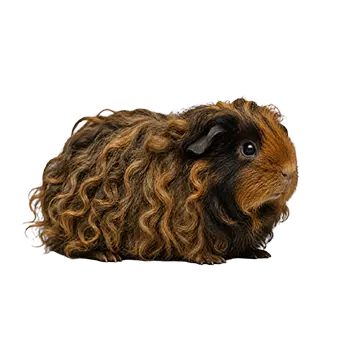

Guinea pigs are not high-energy athletes like ferrets or hamsters, but they are far more curious and playful than many new owners expect. Lunkaryas in particular tend to display a calm, investigative temperament — they prefer to explore objects at their own pace rather than engage in frantic activity. Understanding this play style is key to selecting toys and enrichment that your guinea pig will actually use rather than ignore.
The most effective enrichment for guinea pigs taps into their natural foraging instincts. In the wild, cavies spend much of their waking time moving through grass, sampling vegetation, and navigating terrain. Replicating this experience inside the enclosure — through food-based puzzles, varied substrates, and novel objects — provides the mental stimulation that keeps a guinea pig engaged and reduces boredom-driven behaviors like excessive chewing on cage bars or barbering a cage mate's fur.
For the Lunkarya specifically, toy selection requires an extra layer of consideration. Anything with small loops, loose threads, fraying edges, or tight openings can catch and tangle in the long, curly coat. A toy that is perfectly safe for a short-haired American guinea pig may be a grooming nightmare for a Lunkarya. Always inspect toys for snag hazards before introducing them, and check periodically for wear that could create new entanglement risks.
Rotation is one of the simplest and most overlooked enrichment strategies. Guinea pigs habituate to their environment quickly, and a toy that was fascinating on day one may be invisible by day five. Keep three or four sets of toys and rotate them weekly. The reintroduction of a previously removed item often sparks renewed interest, giving you more enrichment value from fewer purchases.